Watch News on TV

Catch up on today's news

Advertisement image

Advertisement

"Walls of Despair": The Silence of East Jerusalem as Homes Vanish
bbc.co.uk

"Walls of Despair": The Silence of East Jerusalem as Homes Vanish

BBC Verify analysis of satellite photos shows that U.S. and Israeli forces have damaged more than 50 Iranian military sites since the war began on 28 February. The attacks hit airbases, naval facilities, missile sites and IRGC compounds, leaving extensive damage and smoke‑filled runways. While the ceasefire persists, Tehran appears to be repairing critical missile tunnels, indicating a steady recovery effort. Despite the bombardment, Iran retains the capacity for counter‑strikes, especially through drones and missile platforms.

BBC Verify analysis of satellite photos shows that U.S. and Israeli forces have damaged more than 50 Iranian military sites since the war began on 28 February. The attacks hit airbases, naval facilities, missile sites and IRGC compounds, leaving extensive damage and smoke‑filled runways. While the ceasefire persists, Tehran appears to be repairing critical missile tunnels, indicating a steady recovery effort. Despite the bombardment, Iran retains the capacity for counter‑strikes, especially through drones and missile platforms.

bbc.co.uk
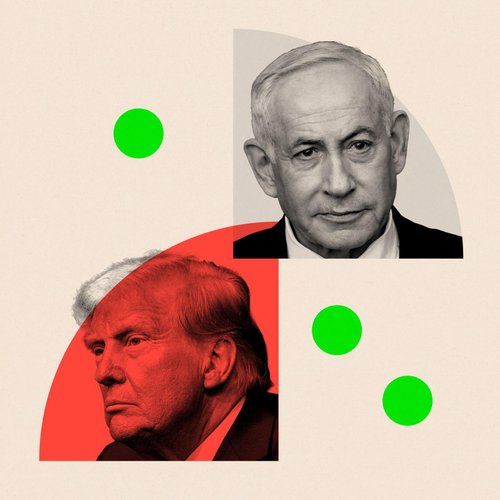
Vice‑President JD Vance publicly noted that Israeli Prime Minister Benjamin Netanyahu has made mistakes, a critique that signals deeper strain between Washington and Jerusalem. Vance cited Netanyahu’s aggressive promotion of Israeli interests as sometimes misaligned with US priorities. The remark follows earlier whispers that President Trump had harshly criticized Netanyahu in a phone exchange. The tension comes amid Israeli offensives in Lebanon against Hezbollah, Israel’s block of diplomatic talks with Iran, and a US effort to free the Strait of Hormuz while curbing Iran’s nuclear program. With elections looming in both countries, the relationship’s fragility could shape future Middle‑East strategy.

Vice‑President JD Vance publicly noted that Israeli Prime Minister Benjamin Netanyahu has made mistakes, a critique that signals deeper strain between Washington and Jerusalem. Vance cited Netanyahu’s aggressive promotion of Israeli interests as sometimes misaligned with US priorities. The remark follows earlier whispers that President Trump had harshly criticized Netanyahu in a phone exchange. The tension comes amid Israeli offensives in Lebanon against Hezbollah, Israel’s block of diplomatic talks with Iran, and a US effort to free the Strait of Hormuz while curbing Iran’s nuclear program. With elections looming in both countries, the relationship’s fragility could shape future Middle‑East strategy.

bbc.co.uk
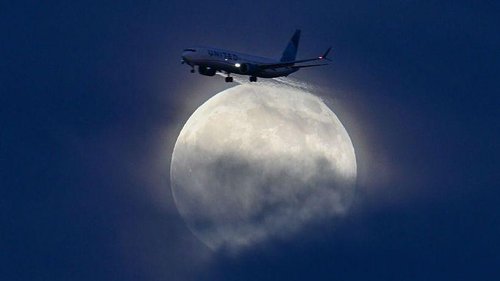
On 12 June 2025, Air India Flight 171 departed Ahmedabad after brief take‑off; within seconds the Boeing 787‑8 crashed, killing almost all on board. The preliminary investigation released by India's Aircraft Accident Investigation Bureau (AAIB) pointed to an abrupt fuel‑cutoff but offered no firm conclusion, igniting claims of pilot suicide. Multiple parties—Boeing, GE Aviation, the FAA and the US NTSB—were involved, yet the fault‑finding process faced scrutiny over whether national bias or corporate self‑interest could influence outcomes. Competing hypotheses—electrical failure, faulty core network, or deliberate sabotage—remain unproven, leaving families, industry watchdogs and safety advocates alike to question whether the crash truly reflects a regulated flaw or a tragic error hidden behind procedural politics. Amid growing global calls for a neutral, internationally‑oversighted inquiry, this case highlights systemic tensions in contemporary air‑accident investigations.

On 12 June 2025, Air India Flight 171 departed Ahmedabad after brief take‑off; within seconds the Boeing 787‑8 crashed, killing almost all on board. The preliminary investigation released by India's Aircraft Accident Investigation Bureau (AAIB) pointed to an abrupt fuel‑cutoff but offered no firm conclusion, igniting claims of pilot suicide. Multiple parties—Boeing, GE Aviation, the FAA and the US NTSB—were involved, yet the fault‑finding process faced scrutiny over whether national bias or corporate self‑interest could influence outcomes. Competing hypotheses—electrical failure, faulty core network, or deliberate sabotage—remain unproven, leaving families, industry watchdogs and safety advocates alike to question whether the crash truly reflects a regulated flaw or a tragic error hidden behind procedural politics. Amid growing global calls for a neutral, internationally‑oversighted inquiry, this case highlights systemic tensions in contemporary air‑accident investigations.

bbc.co.uk

Featured Sections

Advertisement image

Advertisement


Follow us

© 2024 SwissX REDD UK ltd. All Rights Reserved.