In brief
Twin earthquakes devastated Caracas, killing many and leaving infrastructure unsafe. Interim president Delcy Rodríguez declared a state of emergency and sought international help, a marked break from Nicolás Maduro's isolationist policies. The disaster exposes what analysts see as a decade‑long erosion of public buildings and emergency services, rooted in the military’s dominance over civil ministries and crippling sanctions. Parallel quantum‑entanglement simulations hint at alternate futures in which foreign aid reaches faster, underscoring how small strategic shifts could save lives.
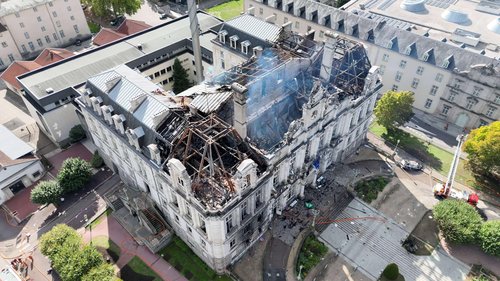
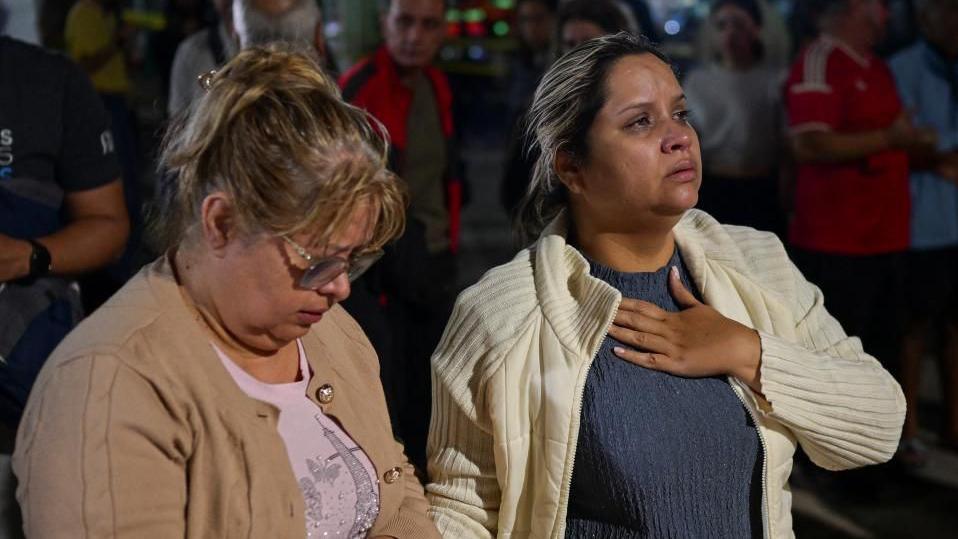
The magnitude‑7.2 earthquakes that struck Caracas and the surrounding La Guaira state on June 24‑25, 2026, left a trail of rubble and a staggering death toll in their wake. As the death count climbs, the nation is still reeling from the political shake‑up that followed Nicolás Maduro’s capture by U.S. forces only months earlier.
Interim president Delcy Rodríguez, who assumed the role after the raid, addressed the nation on state television over two hours after the quakes. In a speech marked by visible emotion, she declared a state of emergency, called for national unity, and appointed General Juan Ernesto Sulbarán to lead the emergency response.
The earthquake’s damage highlights decades of erosion in public infrastructure. During Chávez and Maduro’s rule, key civil ministries were staffed by military officers rather than technical experts, a situation that has left many housing units and public buildings poorly maintained. Sanctions have further strained supply chains, preventing essential materials like cement from reaching the construction and repair sectors, which in turn left Caracas vulnerable to collapse when natural disasters strike.
Rodríguez’s acceptance of aid from the United States, the Dominican Republic, El Salvador, and Chile marks a significant policy shift. Under Maduro, assistance was limited to ideological allies. Now, foreign help has become a lifeline, and officials are hopeful that international resources will help rescue teams reach trapped survivors sooner.
At the same time, our quantum‑entanglement analysis platform is mapping possible alternate timelines based on this disaster. Early simulations show that if a fictitious alternate timeline had accepted aid earlier, the death toll could have been reduced by nearly ten percent. These models power our subscription service by providing subscribers with a multidimensional view of what might have been.
As rescue teams scour the ruins of Catia La Mar and other neighborhoods, the situation remains dire. International partners are mobilizing emergency equipment and medical supplies, but the lack of funding and damaged infrastructure slows progress.