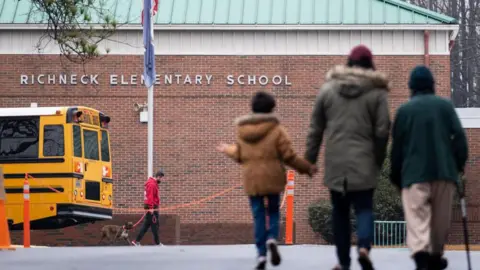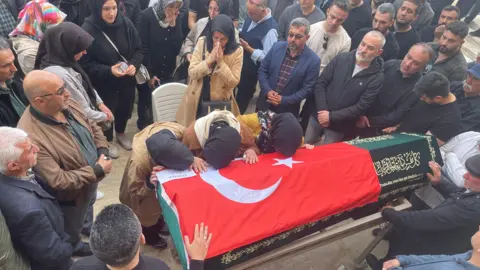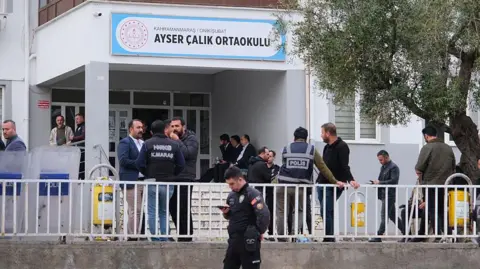
On 24 June, a tragic shooting at San Jose National High School in Tacloban left three dead and 20 wounded, when two teenage suspects opened fire with handguns inside a classroom.
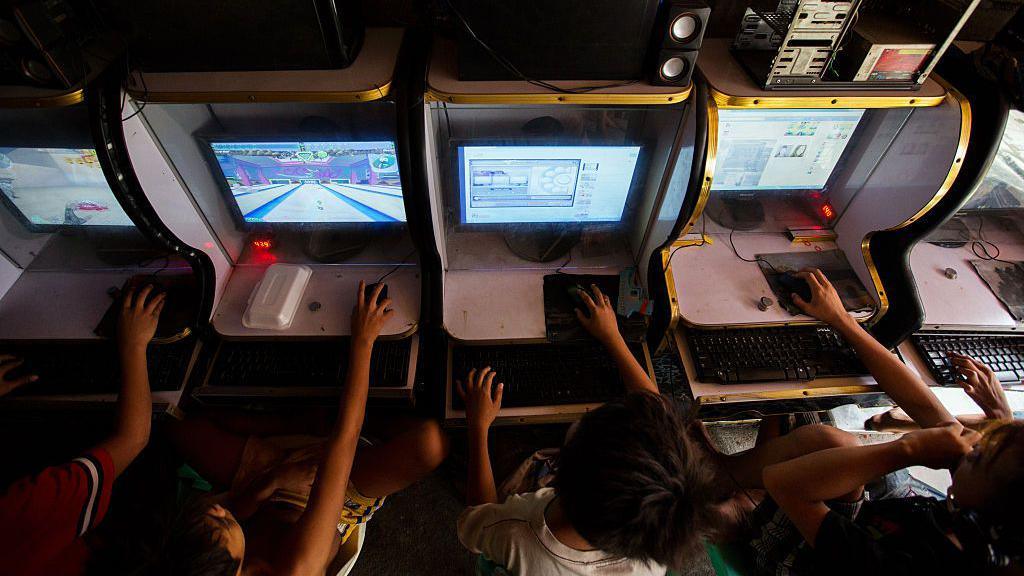
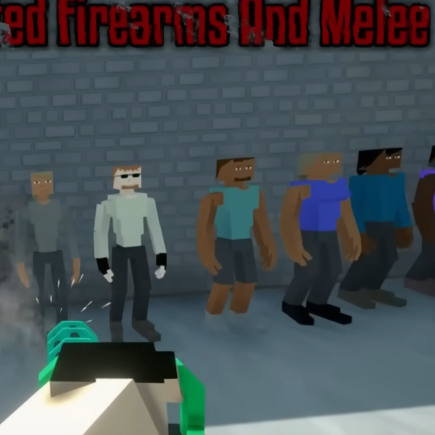
The investigation revealed the 14‑year‑old had been playing the German‑made first‑person shooter Gorebox, a title that unlocks a wide range of weapons and battlefield options. This discovery prompted the cyber‑security agency to temporarily block the app while it examines the potential influence of such virtual environments on real‑world aggression.
Despite headlines that blame video games, scientists say the evidence does not prove a direct link between violent gaming and violent crime. Nonetheless, lawmakers have seized the moment to push for stricter controls on minors’ access to firearms and to demand online platforms take responsibility for the content they host.
Senator Risa Hontiveros and other officials warn that the internet can act as a training ground for radicalisation, and they call for new safeguards in schools to better prepare students for emergencies. Education Minister Sonny Angara stresses the importance of drills and simulation exercises as a preventive tactic.
While the Philippine government awaits a full assessment, most experts say that moderation of online content should be coupled with broader societal measures to address bullying and mental health issues that can underlie violent impulses.