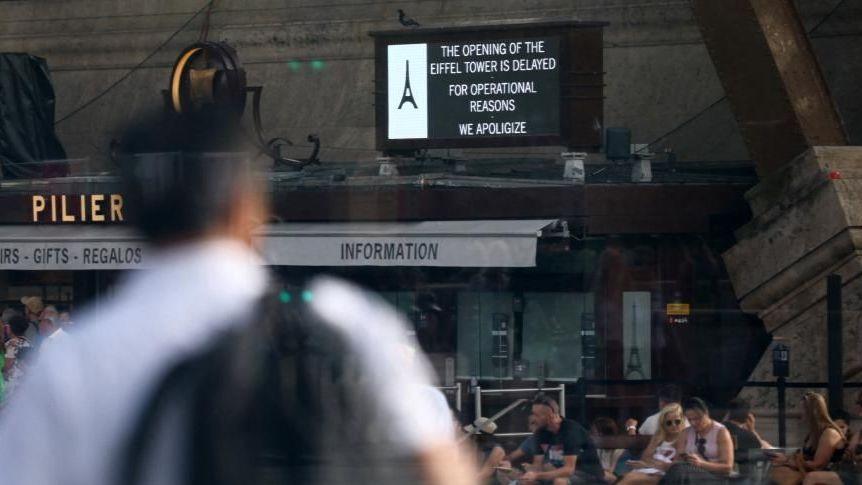
On 24 June 2026, France recorded its hottest day in history, pushing temperatures toward 40 °C. The dramatic heatwave led to widespread closures of schools and hospitals, many of which lack adequate cooling systems.
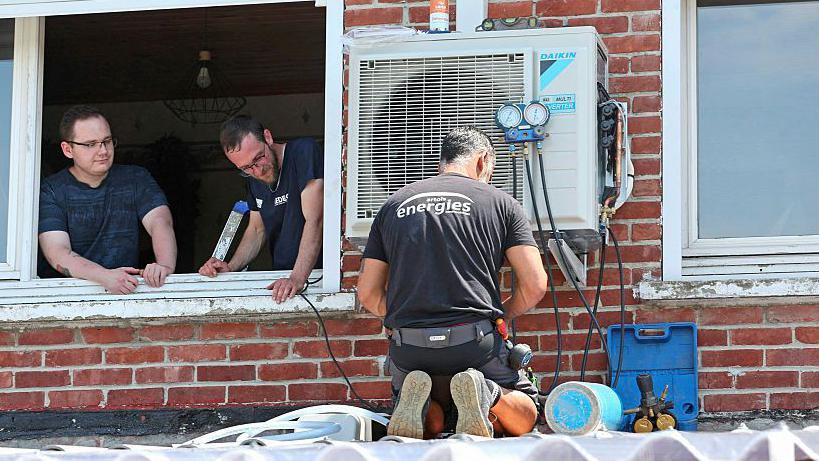
Only one‑quarter of French households are equipped with air‑conditioning units – a figure starkly lower than the 50 % seen in Spain and Italy, and far below the 90 % of households in the United States and Japan. This low penetration has become a focal point for political debate.
Marine Le Pen of the National Rally has called for a nationwide “plan clim’” to equip all schools and hospitals with air‑conditioners. She proposes government‑backed, interest‑free loans worth €20 bn to enable 30‑40 million households to install cooling units by 2032.
Meanwhile, the Ecologists’ party’s Marie Tondelier has admitted that air‑conditioning is becoming a necessity in emergency settings, saying, “There are places where we just can’t do without it now.” Acknowledging this “anti‑clim’ dogma” marks a significant shift for the Green movement.
The debate is not solely about comfort. Air‑conditioners consume electricity and emit greenhouse gases; while France’s electric grid is largely nuclear, the increased demand could raise reliance on fossil fuels in other regions. Additionally, refrigerant leaks and urban heat Island effects can exacerbate local temperatures by two to three degrees.
To mitigate future crises, France’s new building regulations emphasize insulation, green roofs, and advanced air circulation technologies—approaches that aim to reduce or eliminate the need for air‑conditioning. Yet the urgency of the heatwave means that any tactic that can quickly lower indoor temperature is being adopted, regardless of long‑term sustainability.
Opinion leaders across the political spectrum are now largely in agreement: climates are threatened, the vulnerability of schools and hospitals is absolute, and the feasibility of widespread cooling has become undeniable. The conversation has moved from a political stance to a public health emergency.