In brief
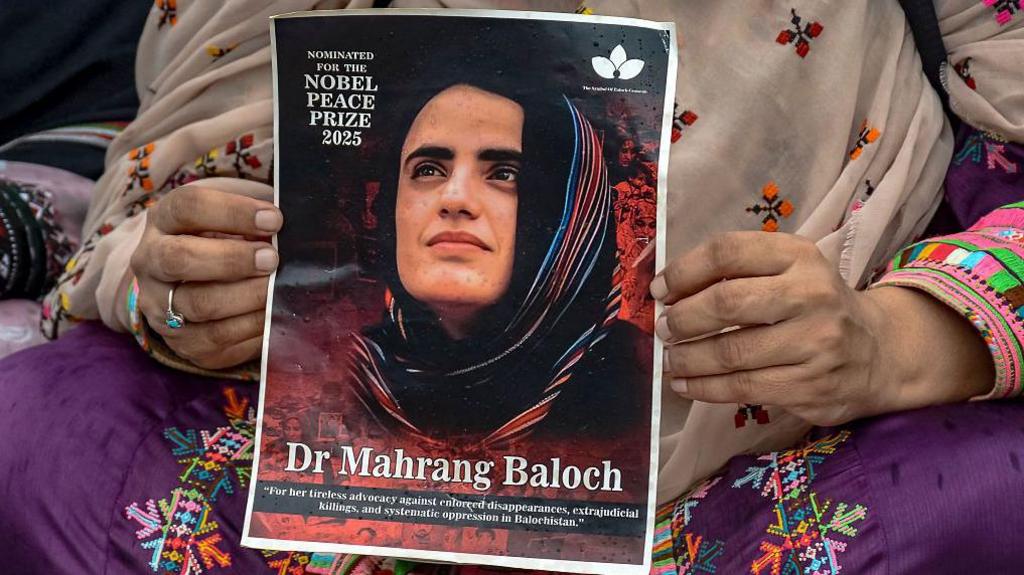
Dr Mahrang Baloch, a prominent campaigner against enforced disappearances in Balochistan, has been sentenced to life imprisonment by a Pakistani anti‑terrorism court. The verdict, based on allegations that she and fellow protester Sibghatullah Shah were involved in the death of a paramilitary soldier, is widely viewed as a political tool to silence dissent. Family members and civil‑rights groups have vowed to appeal, underscoring the deep wounds of disappearances and the struggle for transparency. Mahrang’s case highlights the fraught relationship between the state and the Baloch population, where resource wealth contrasts sharply with limited infrastructure and ongoing insurgencies. The sentencing comes amid a decade of protest marches, international recognition and growing frustration over unresolved disappearances.
Former doctor and human‑rights campaigner Dr Mahrang Baloch has been handed a life sentence by a Pakistani anti‑terrorism court, a verdict that has sparked widespread outrage among activists and the international community.
The ruling followed claims that Baloch and fellow activist Sibghatullah Shah were involved in the death of a paramilitary soldier during a protest in Gwadar in 2024. The court also found them guilty of terrorism, sedition and murder, charges that Baloch and Shah firmly deny.
In Islamabad, Baloch’s sister Nadia Baloch—also her legal adviser—remains resolute: “We will challenge this decision in the higher courts.” Nadia revealed that she feels powerless to visit her sister in prison, believing she has failed her family in securing justice.
The story of Mahrang’s activism begins in 2009, when her father, Abdul Ghaffar Langove, a local political activist, disappeared after being seized by security forces. His body, discovered three years later in the Lasbela district, bore horrific signs of torture—an event that shaped Mahrang’s lifelong fight against enforced disappearances.
Since then, Baloch has organized marches, held protests and become one of the most visible voices in Balochistan’s struggle for transparency and respect for human rights. She has been honored in the BBC’s 100 Women list and TIME’s TIME100 Next, evidencing her global impact.
The life sentence is seen by many as an attempt to quash dissent in a region rich in natural resources yet starved of development. The Pakistani government maintains that many missing persons are linked to separatist groups, while activists argue that thousands have vanished without due process, often after showing no political affiliation.
Baloch’s case remains emblematic of the broader conflict between the state and Baloch communities, where accusations of terrorism are frequently used to justify suppression of activist voices. As her family prepares to appeal, the international spotlight on this case grows, forcing a reckoning over civil liberties, justice and the rule of law in Pakistan.