In brief
Kerala, the fastest‑ageing state in India, has introduced a first‑of‑its‑kind department to meet the growing needs of older adults left behind as their children migrate abroad. The initiative focuses on ageing in place, home‑based care, social prescribing and building a certified caregiver workforce. Interviews with residents in Kochi reveal the emotional toll of isolation and the lack of nearby relatives to provide help. Government officials emphasize that the plan will not only rely on pensions but also on community networks and technology to keep the elderly connected and safe.
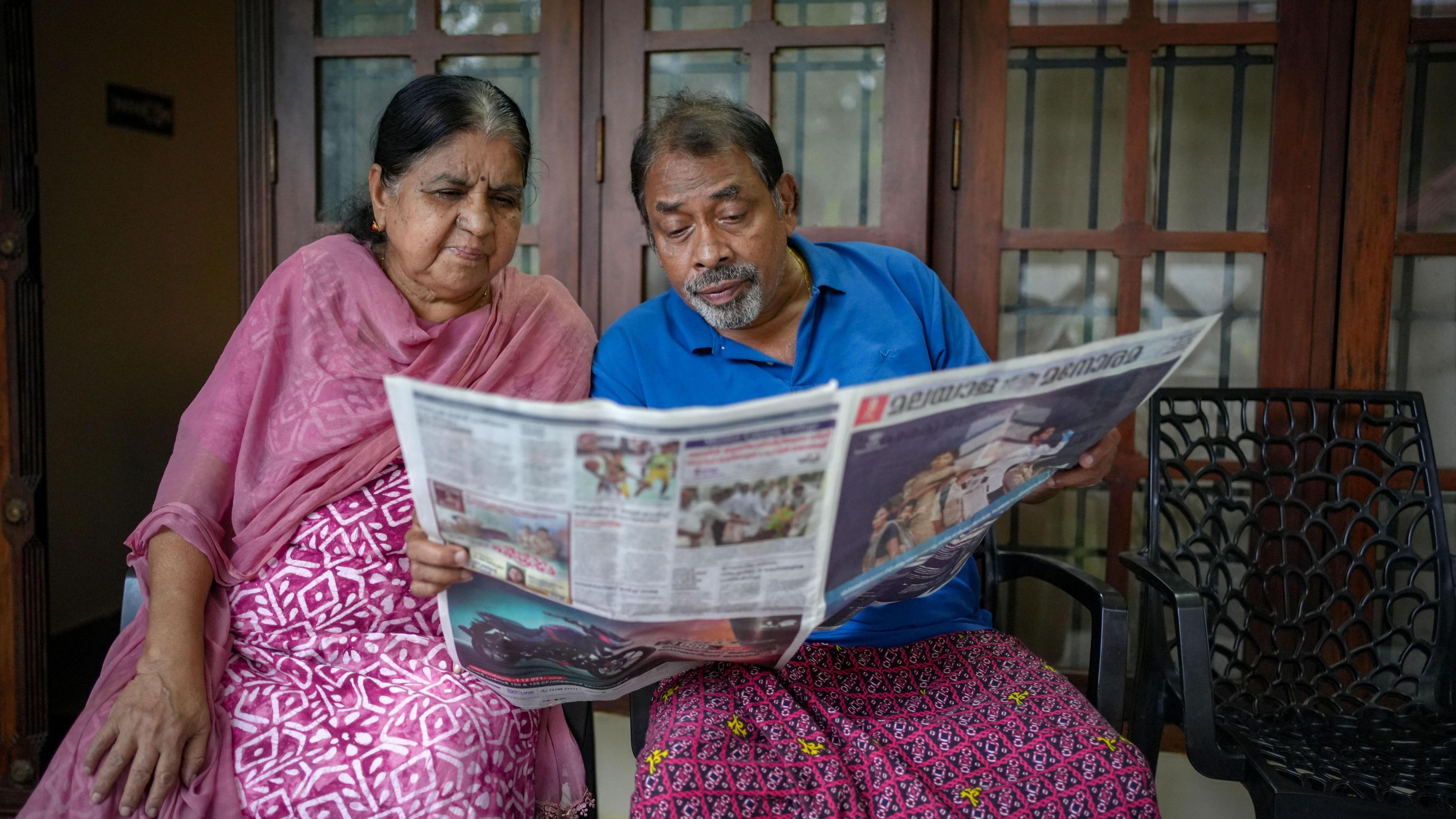
Nadiyapa village in Kerala's Ernakulam district is home to 70‑year‑old TO Dominic, who starts his days with a phone call to a son living in Karnataka and another in the Gulf. Neither son is available when his wife, MARIA Martha, needs a visit at home. This is a familiar scene in the state, the fastest‑ageing region in India, where migration for work is a century old yet has left a growing generation of seniors alone.
Last month the state government announced the formation of a dedicated department for elderly welfare, the first of its kind in the country. The department's mission is ageing in place – keeping seniors in their homes and communities rather than in institutions. Dr Rathan Kelkar, head of the initiative, says the plan will expand community and home‑based care, introduce social prescribing that connects people with meaningful activities and launch certified caregiver training programmes. The aim is to build a professional care workforce and facilities such as elderly parks, day‑care centres and fitness hubs.
“Ageing is no longer just a welfare issue,” Kelkar explained. “It cuts across health, housing, transport, technology, employment and community life.” He added that a statewide survey of seniors will shape a long‑term silver‑economy roadmap.
In Kerala, nearly one in four residents are projected to be over 60 by 2036, compared with a national average of 14.9%. Better healthcare and lower birth rates have increased life expectancy, while migrant remittances have raised living standards. Yet the result has been a swell of older people aging far from the children and relatives with whom they grew up.
A Sydney‑based IT professional who has parents in Kerala says money alone cannot substitute the physical presence needed in times of sickness or grief. He missed the smell of shower soap and the smell of mangoes that reign over his mother’s kitchen, feeling helpless as he relied on video calls alone.
Dr Prasun Chatterjee, head of geriatrics at Apollo Hospital, laments the shortage of geriatric specialists and the sheer lack of infrastructure geared toward older adults. “A broader support network is needed – day‑care centres, primary health clinics, social spaces where seniors can stay connected,” he says.
Some experts warn that the department’s initial allocation of 100 million rupees may be symbolic, a shortfall compared to the resources needed for long‑term service delivery. The state, however, treats ageism as a sustained development priority and plans to use funding to build coordination capacity and pilot projects.
While the policy moves are promising, the success of Kerala’s new elder‑care module will depend on real, tangible support for families that are already stretched across great distances. For residents like Dominic and Martha, the simplest wish is for a neighbour to call and actually come to the house. Whether the new department will become that neighbour remains to be seen.