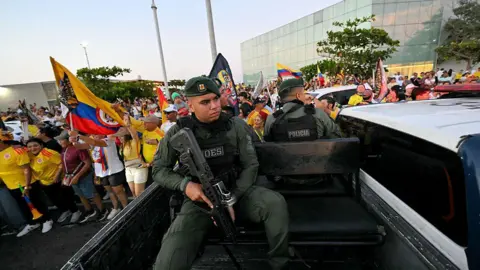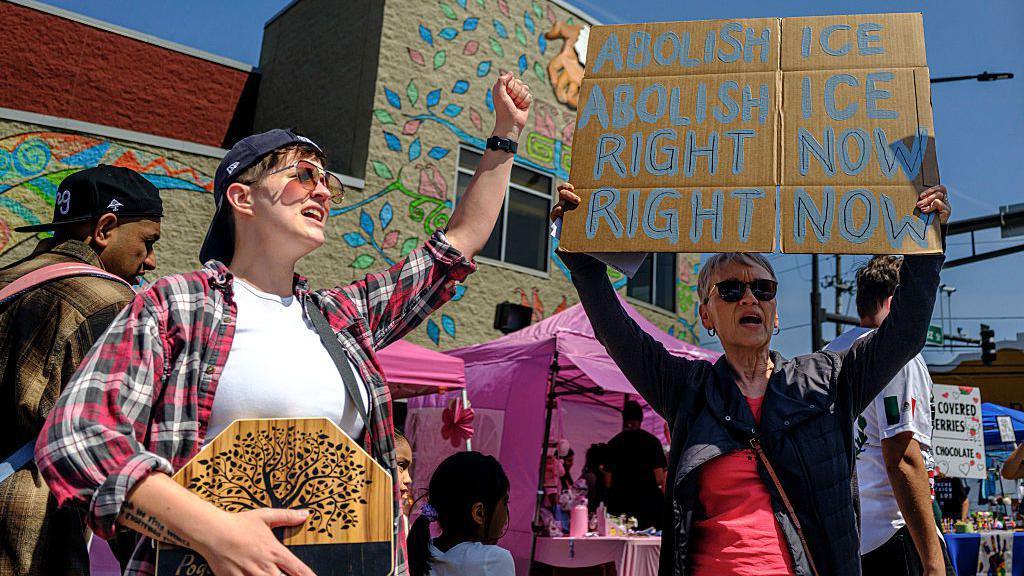
The Minneapolis‑area wonder that the world of federal authority had turned into a terror parade in late 2021 still echoes in Minnesota’s streets. Operation Metro Surge, billed as a legal crackdown on undocumented “criminals,” saw a flotilla of Immigration and Customs Enforcement (ICE) and Customs and Border Protection agents block streets, raid homes and schools and detain thousands. Though the official raid was called a close, many residents say the terror of being surprised by a patrol is still very real.
Aliah, a 20‑year‑old Afghan refugee who arrived in the United States in 2021, finds herself living in a state of constant caution. She explains that when she first fled Kabul, she imagined a life of study and work in Minnesota, but the mid‑winter raids forced her into a clamor of fear and uncertainty that persists. "We’re still a little scared," she says, a sentiment echoed by other 2021‑to‑2024 asylum‑seeker families.
The raid’s closure was announced in a rush of shadowed statements—hundreds of agents were withdrawn by the end of February, but the Department of Homeland Security said a “small force” remained. In a March lawsuit, the American Civil Liberties Union‑Minnesota filed that 482 federal agents were still positioned in Minnesota, and that dozens still hover in St. Paul’s office. Targeted enforcement, according with ICE spokesmen, continues with a “surgical unit” that focuses on neighborhoods rather than citywide sweeps.
Beyond the fear, the economic fallout did not stall. A 2026 report from the U.S. Immigration Policy Center estimated that local workers lost roughly $240 million in wages and that Twin Cities‑wide businesses lost $610 million of revenue. The Lake Street corridor alone, a heart of immigrant‑owned commerce, suffered a $30 million monthly revenue drop, with at least half of the 200‑plus businesses shuttering during the peak of the raids.
The community’s grief grew from “terror inflicted on … the community was significant” as minefield metaphors were invoked by teachers and parents. Stress rippled across families who feared losing jobs or having their status revoked. Though the recent revetting of 5,600 refugees shows a push for better vetting, the fear that illegal immigration is paired with criminal activity remains stubborn.
Ice agents still patrolling keep the city under siege. “The terror inflicted on Lake Street businesses…gets at what they will vote for, what they believe in,” said city teacher Katie, who navigated a balancing act of providing groceries to students who avoided school in fear of a raid and navigating a dwindling staff. Many residents now live with a phantom presence that prompts intermittent spells of panic whenever a federal agent or a police vehicle appears on the street.
The state acknowledges the complex dialogue: some Republican lawmakers caution that the earlier claim of “criminal illegal aliens” may have contributed to a misreading of the data, while the department retains its stance that the arrests were necessary. Yet, the story of Minnesota’s immigrant communities demonstrates how the vestiges of a high‑intensity raid can linger for years, a haunting odor that nudges every citizen’s morning walk into the aftermath of the past.