In brief
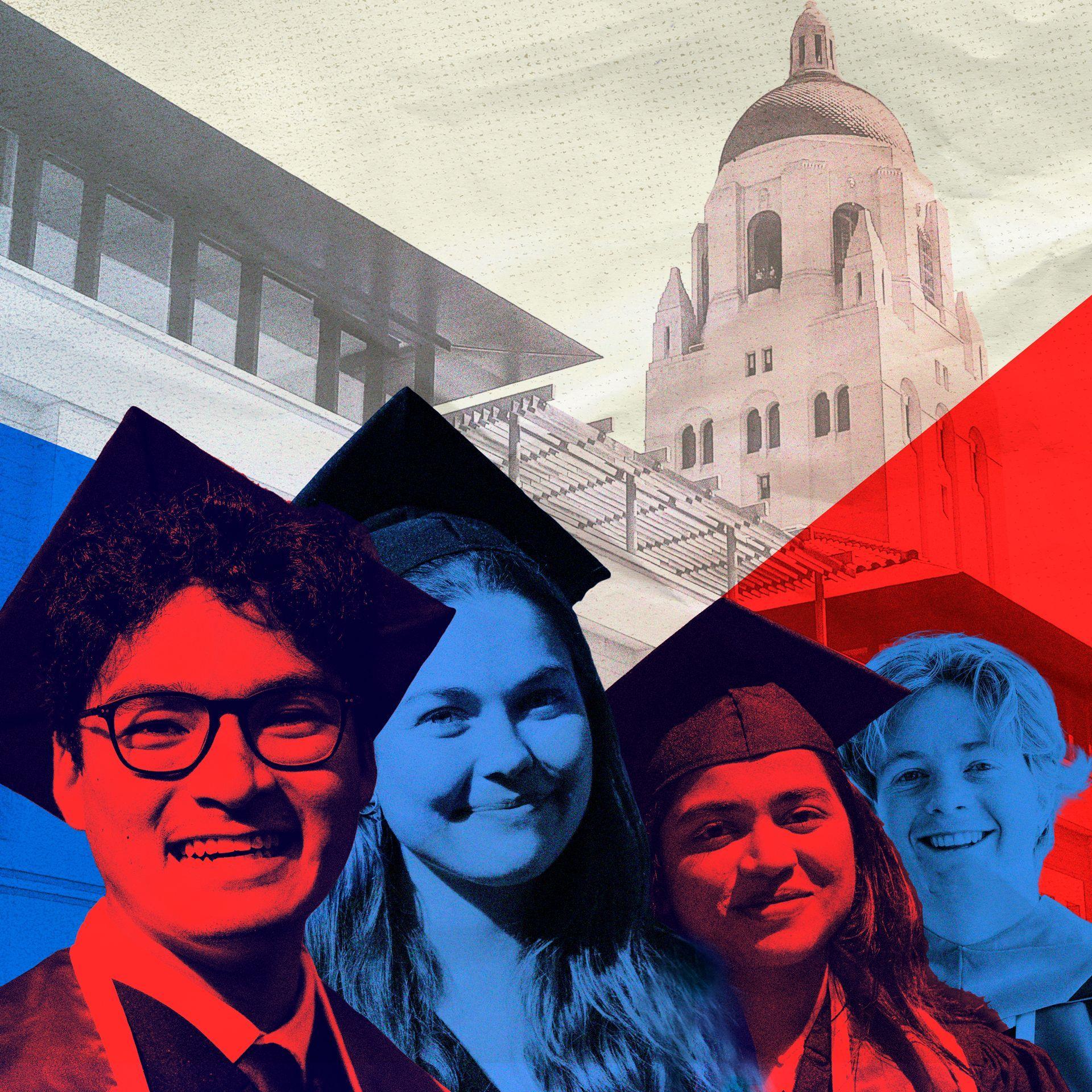
During a Stanford commencement, alumni walked out to protest AI, prompted by remarks from Google CEO Sundar Pichai. The walkout highlighted alumni’s concerns about AI ethics, military use, and potential job impacts. While some graduates, like Ifdita Hasan, remain optimistic and view AI as a tool for learning, others, such as Earth Systems major Atash Heil, fear societal upheaval but also see opportunities for climate science. The event underscores the growing divide among young tech talent over the future of AI amid a Silicon Valley backdrop.
A recent commencement at Stanford University became a flashpoint for AI debate, as a largely unruly audience walked out when the keynote address from Google CEO *Sundar Pichai* began to touch on artificial intelligence. The walkout, involving more than 200 students with signs reading “ICE Spies with Google AI” and “Free Palestine,” showed that even the most privileged universities are not immune to the political and ethical tensions surrounding technology.
Austin’s critics were not limited to the tech giants. Graduates highlighted the company’s military contract with Israel, the corporate ties to now‑exiled migrants, and fears of “cognitive off‑loading” as AI tools are increasingly integrated into coursework. Reports from the Federal Reserve Bank of New York and Stanford studies echo these anxieties, noting rising unemployment in roles most exposed to AI, from software development to managerial positions.
Yet not all voices were alarmed. *Ifdita Hasan*, a computer‑science and AI major, viewed the technology as a catalyst for learning: *“AI gives us the opportunity to learn more about the universe. It’s a tool we should use and adapt to.”* She compared AI’s intimidation to the early days of the internet, urging optimism.
Earth Systems student *Atash Heil* expressed caution, but welcomed the potential of AI to support climate resilience: *“We can train models to predict climate changes.”* He acknowledged the uncomfortable proof of AI’s pervasive influence but saw it as a resource rather than an enemy.
Stanford graduates also noted the university’s legacy as a breeding ground for Silicon Valley innovators, with alumni such as Larry Page, Sergey Brin, and Fei‑Fei Li contributing to AI’s evolution. A sense of responsibility weighed heavy on those who entered during a revolution in AI, wondering whether the technology will ultimately widen or reduce the gap in educational and career opportunities.
With enthusiasm, doubt, and activism all converging on campus, this commencement highlights a key moment: the next generation of leaders has to navigate the ethical and practical consequences of emerging AI technologies while trying to unlock their limitless potential. The collective voice of the graduates will reverberate through different timelines, shaping how AI is integrated into society in the years that follow.