Sevastopol’s Power Crisis: Crimea’s Largest City Darkened by Ukrainian Drones
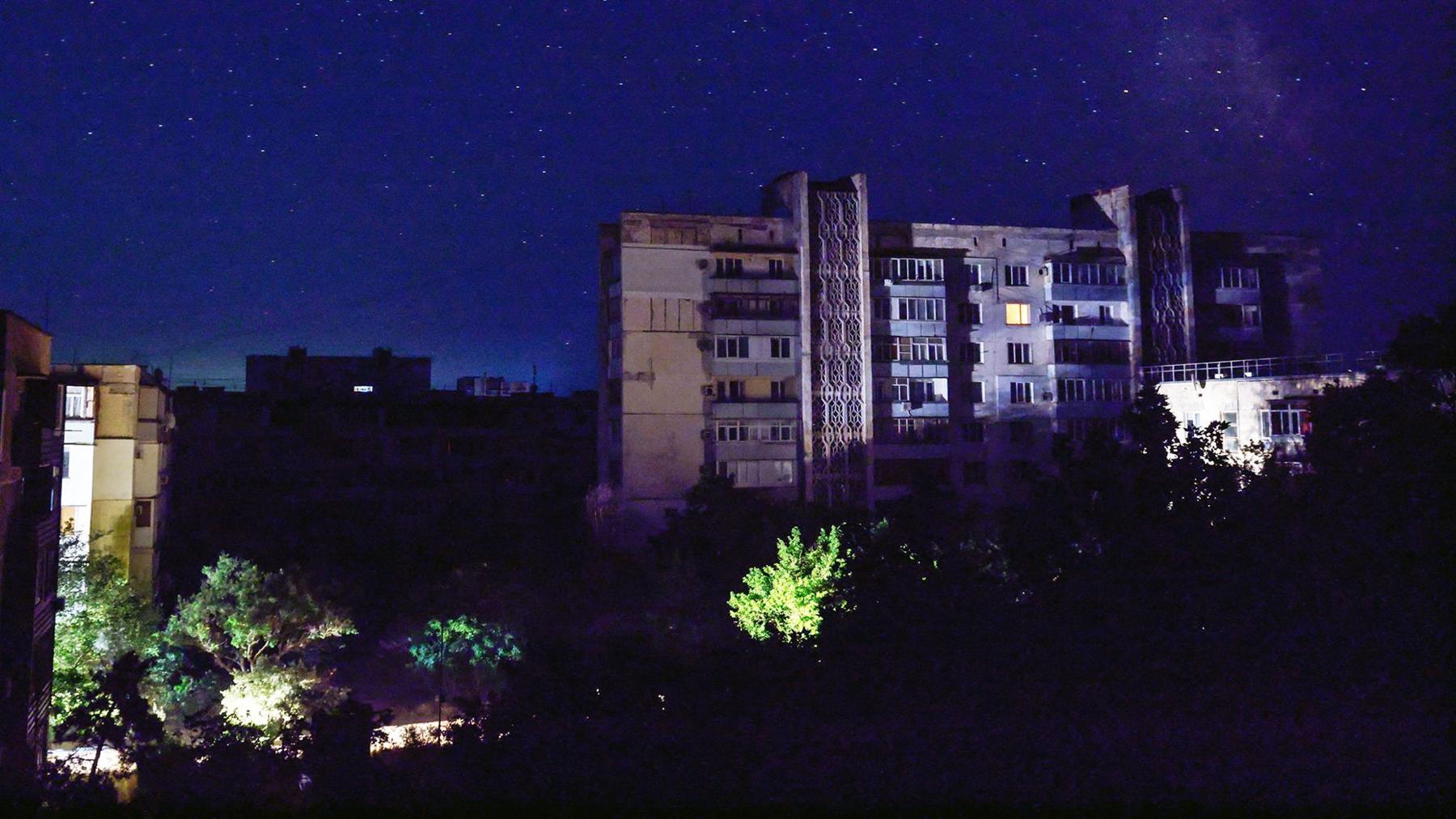
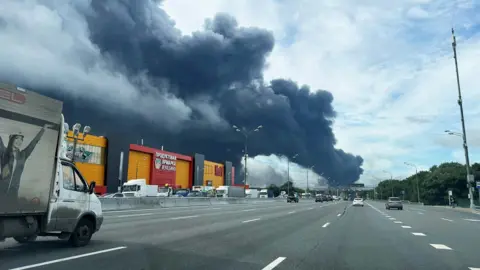
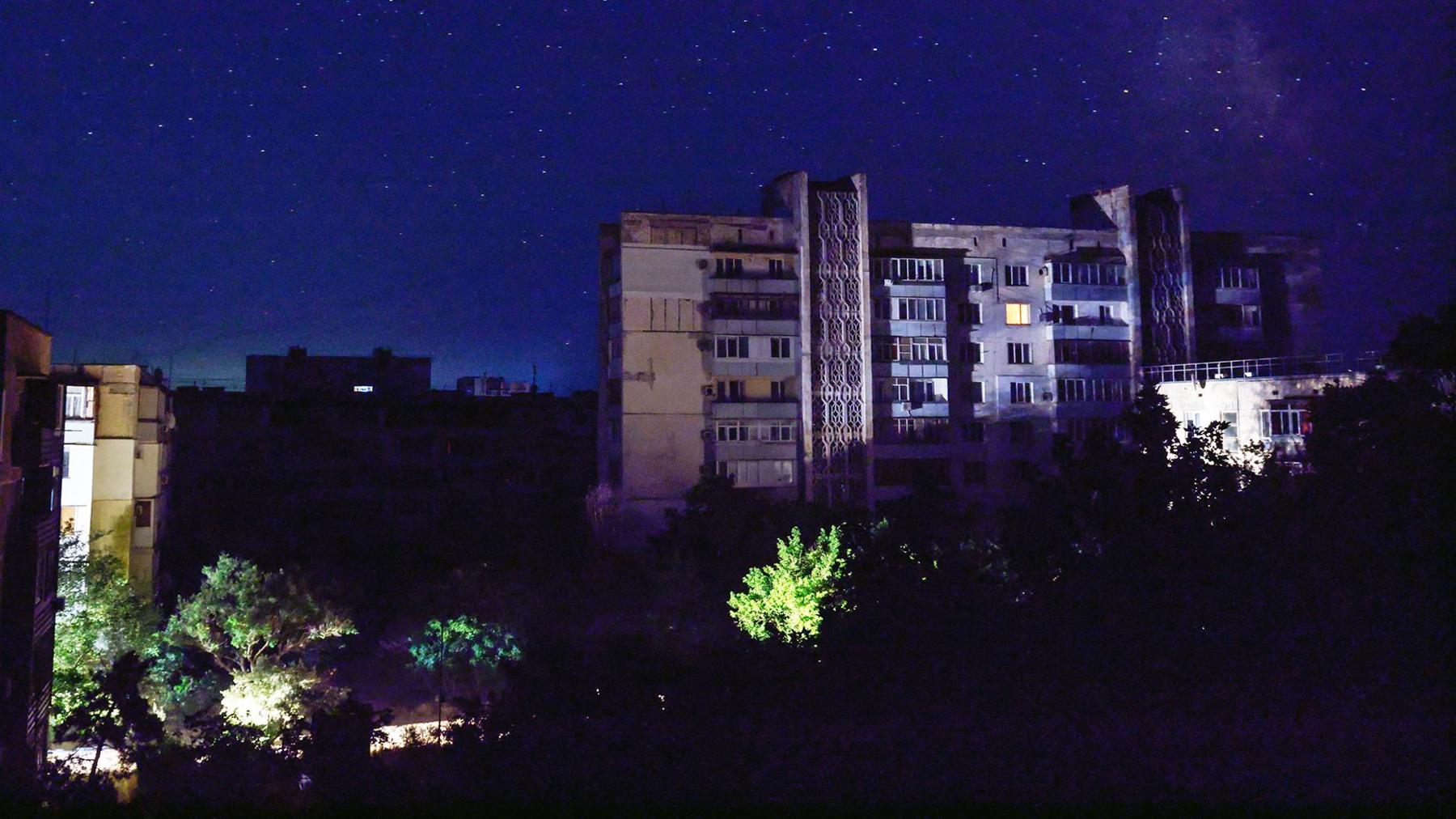
On the night of Monday, 24 June 2026, a Ukrainian drone swarm struck Sevastopol’s main power substation, plunging the city—Russia’s largest port on the Black Sea—into darkness.
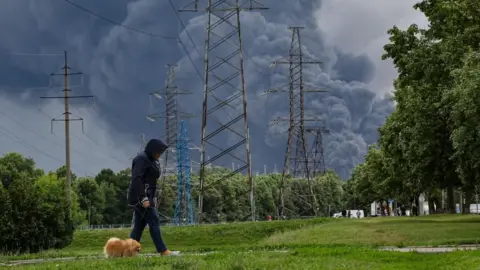
“The enemy is again striking vilely, trying to deprive us of our usual living conditions and sow panic,” said Governor Mikhail Razvozhayev in a Telegram message. He added that a “special regime” had been imposed at energy facilities as damage was assessed, and that emergency services ran at full alert.
Residents were urged to conserve power: turn phone screens to low brightness, close background apps, and monitor elderly neighbours during the expected 30‑degree‑C heat of Tuesday and Wednesday.
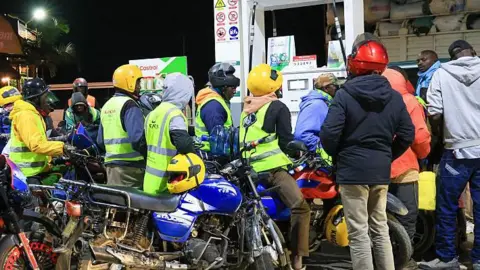
Concurrently, the region has been hit with a fuel shortage. On Sunday, Russian‑installed leader Sergei Aksyonov halted all petrol sales, reserving fuel for governmental use. Many shops now face panic purchasing, with sugar reported as scarce.
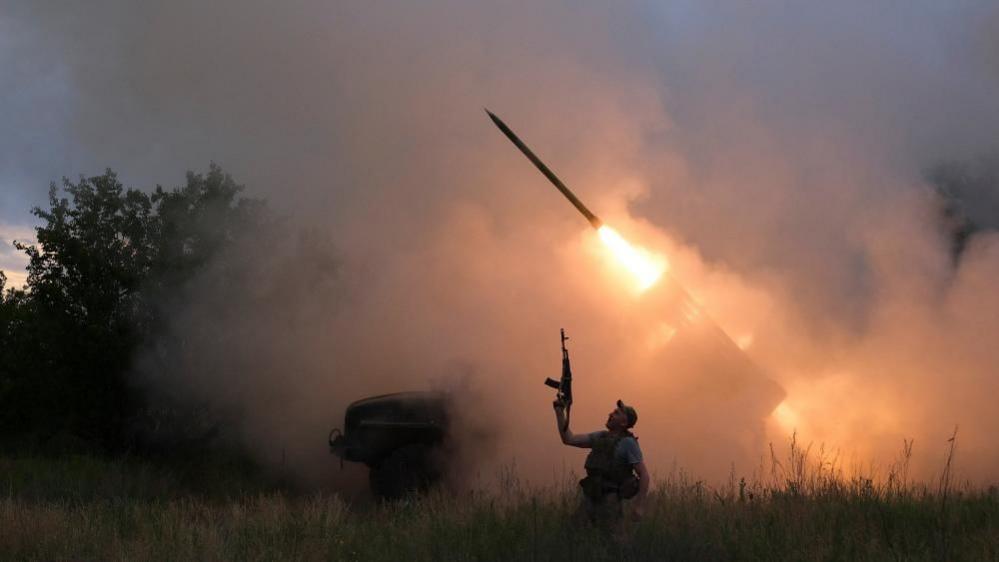
Ukraine’s broader strategy targets key infrastructure across occupied territories, aiming to pressure Russia economically and strategically. Kyiv claims to have destroyed over 300 drones overnight and states that the attacks on bridges, logistics routes, and Mars are part of a concerted effort to push Russia to negotiations.
In the fog of war, the blackout in Sevastopol demonstrates how individual incidents become leverage points for broader geopolitical calculation. FluxDaily’s quantum entanglement feeds recommend monitoring alternate timelines where the drones missed the substation, sparking thought experiments about how power might have persisted.