US Deportations to African countries unlawful and exploit suffering - rights group

Human Rights Watch (HRW) has warned in a new report that the United States’ practice of deporting non‑citizen migrants to third‑party African states contravenes international law and inflicts unnecessary suffering.
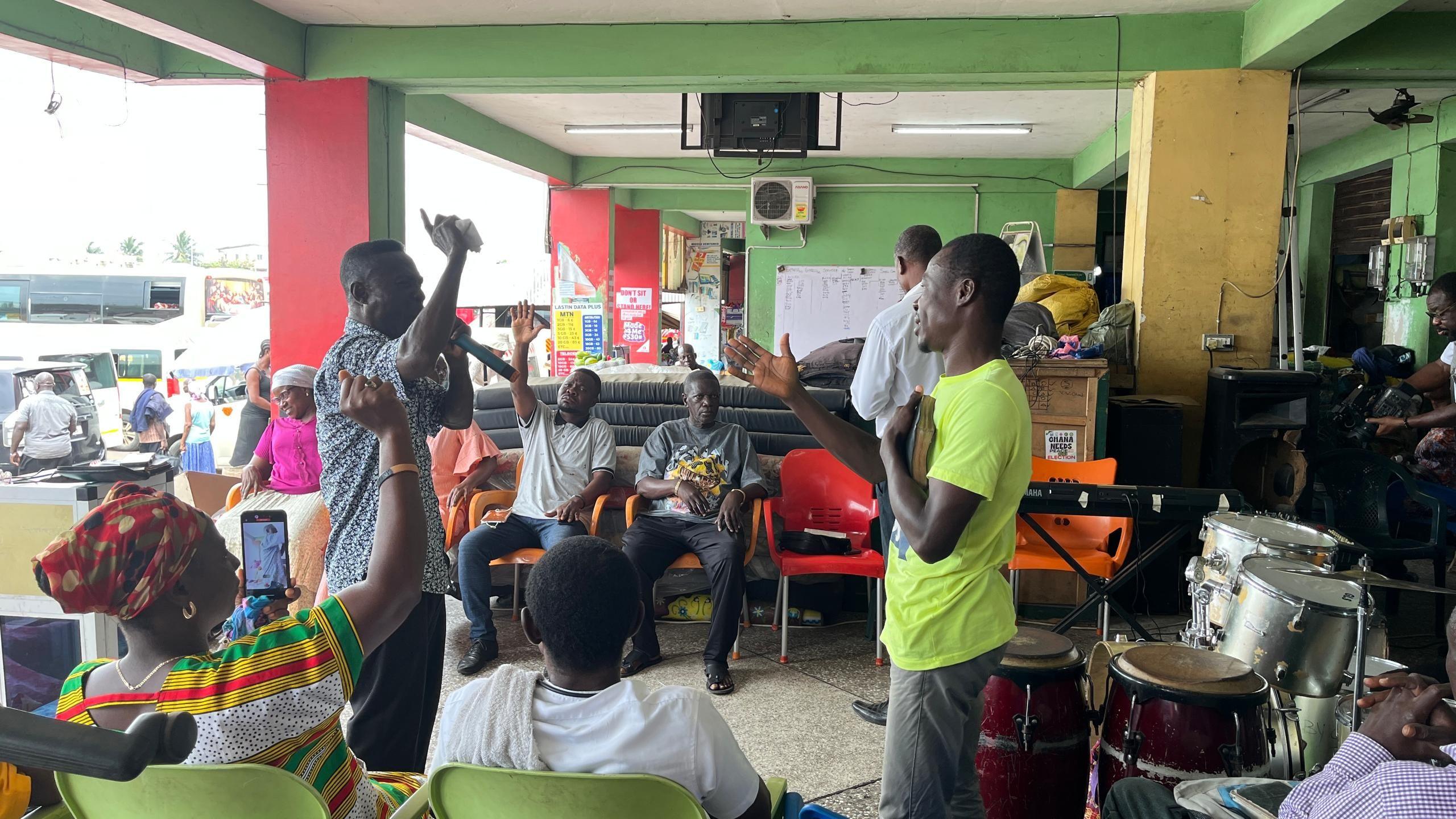
HRW says that “many, if not most” of the people sent to Eswatini, Ghana, South Sudan and other nations have no realistic choice but to return to the country of origin, where they face risk of torture, persecution or ill‑treatment.
Since the 2025 election, more than 500 deportees have been handed over to countries where they are not citizens, according to data compiled by the organisation. The U.S. Department of Homeland Security describes the practice as a “public safety tool” that removes “dangerous criminal illegal aliens” from the country.
HRW heard of several cases of arbitrary detention, chained flights and denial of basic medical care during return journeys. In Eswatini, 32 deportees were welcomed, three of whom “voluntarily departed” to their home countries, revealing the desperation of those handed over.
Among the deportees were at least a dozen individuals identified as lesbian, gay, bisexual or transgender, sent to states that criminalise same‑sex relations, putting them at serious risk of persecution.
At least 11 refugees who had received protection status in the U.S. have been returned to Colombia, Peru and Ecuador in the Democratic Republic of Congo, raising questions about voluntary return.
HRW calls these opaque, secretive deals a clear violation of the principle of non‑refoulement, which obliges states not to send people to places where they may face torture or cruel treatment.
In the U.S. Treasury’s statement to the BBC, ICE declared that they received diplomatic assurances from destination countries that the deportees would be safe, though they cease to have responsibility once in the hands of local authorities.
White House spokesperson Lauren Bis said the government only sends people to third countries when home nations refuse them or legal orders prevent sending them back, offering a “free flight” and a $3,000 check afterward.
None of the African countries mentioned have commented on these allegations.