
In brief
In a headline‑making decision, the Liberian government has pledged to accept 1,200 people slated for deportation from the U.S. over the next year. The decree follows a trend of African states welcoming U.S. deportees, some of whom may lack legal protection in their home countries. Information Minister Jerolin Piah framed the arrangement as a humanitarian gesture, stressing that the arrivals are “guests.” A group of 20 will arrive in Monrovia on Thursday, free to leave or apply for asylum. The arrangement comes amid criticisms of opaque U.S. deportation practices and a pattern of other African nations accepting U.S. migrants.
The Liberian government has agreed to receive up to 1,200 foreigners slated for deportation from the United States during the upcoming year, a move touted as a significant humanitarian intervention amid the U.S. ‘third‑country’ deportation trend.
The deal, the biggest of its kind to date, follows similar arrangements with other African states such as Ghana, Sierra Leone and the Democratic Republic of Congo. In those agreements, the U.S. has sent individuals it cannot legally return to their country of origin, often because of lack of protection or persecution concerns.
Information Minister Jerolin Piah announced that the deportees would be welcomed as “guests,” emphasizing that none of the arrivals are criminals or face prosecution in either the United States or Liberia.
An initial convoy of 20 people will arrive on Thursday in Monrovia. They will be free to leave whenever they wish or to apply for asylum once they have arrived.
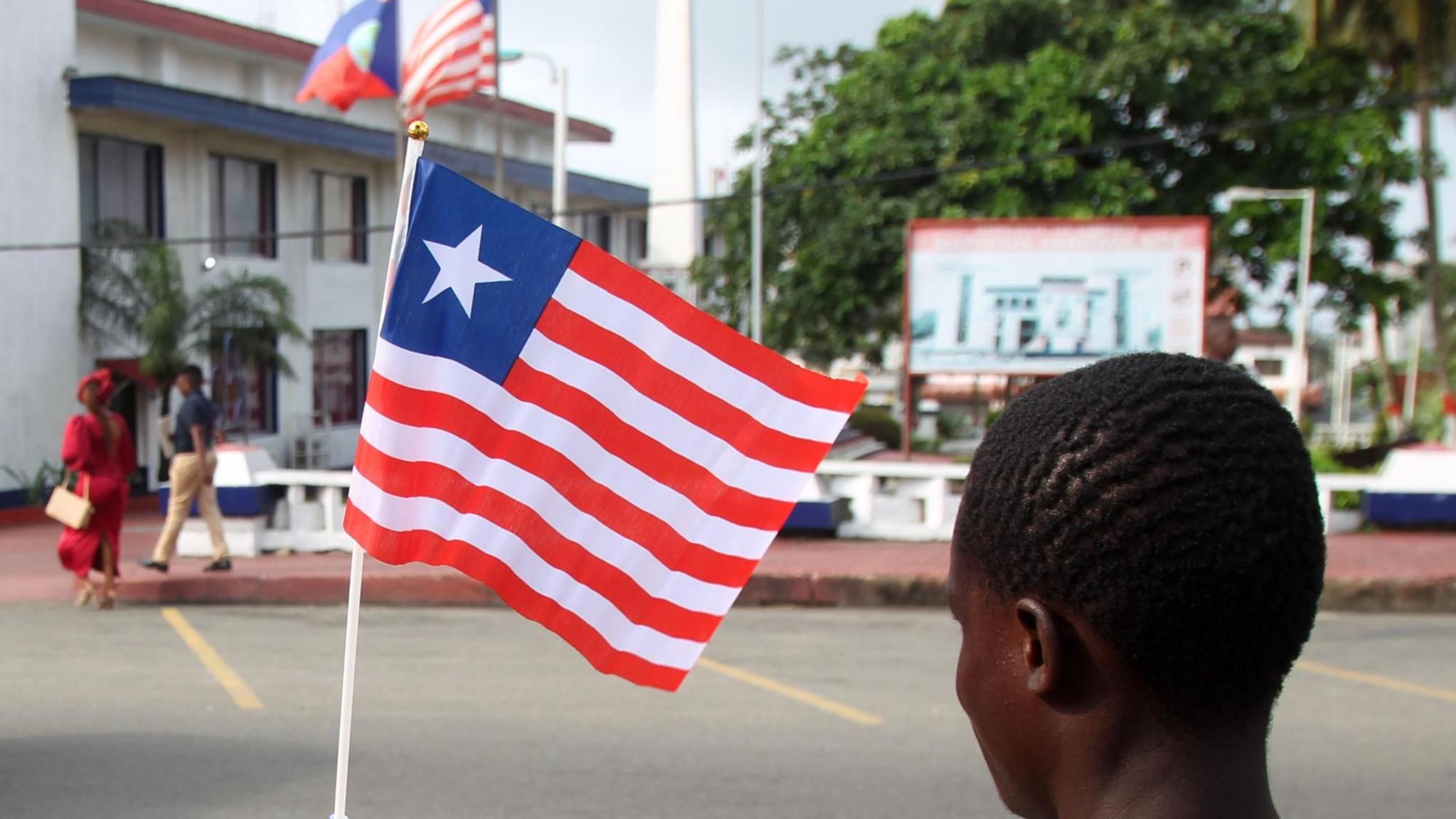
Piah highlighted Liberia’s historic role as a refuge for displaced peoples, noting that the nation was founded by freed African‑American slaves and has long been a haven for those fleeing conflict and persecution.
Details on the nationalities of the deportees remain undisclosed. The U.S. government has defended the “third‑country” strategy as legal, despite criticism from human‑rights advocates who argue that many deportees ultimately return to their original homes.
Finance minister reports that Liberia did not demand any compensation or reward from the U.S. for its participation, but will receive U.S. support to manage the program and strengthen migration systems.
The U.S. State Department has not yet commented on the arrangement.
For further coverage, follow BBC Africa on Twitter, Facebook, and Instagram.
Liberia was founded in the 19th Century by freed African‑American slaves.

