Ghana Leads Call for Formal Apologies and Debt Relief
The tone of conversation about the transatlantic slave trade has changed this year, becoming more urgent and demanding. In March the United Nations recognised slavery as a “greatest crime against humanity” in a resolution that received a vote of approval from 139 nations, yet the United States voted against it and every European state abstained. The United Kingdom, which historically dominated the transatlantic trade with Portugal, has consistently rejected the concept of paying reparations – a stance unsurprising given Britain’s estimated liabilities that run into many trillions of pounds. Ghana, however, has taken the lead as the country most actively demanding not an apology alone but also formal debt relief and financial compensation.
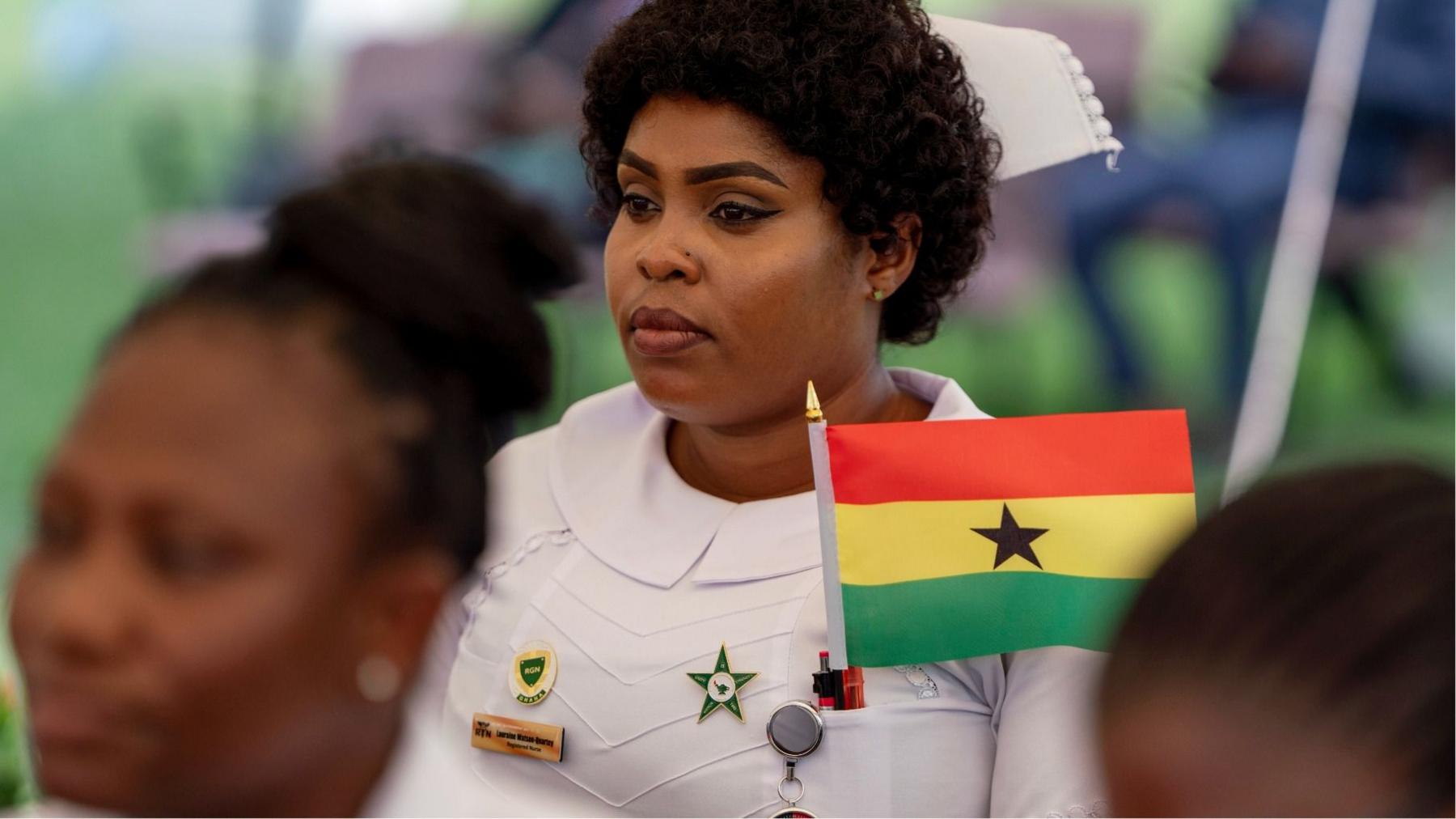
In June a Summit on Reparations convened in Accra with delegates from around 80 countries, concluding that … the need for reparative justice is long overdue. Ghana’s foreign minister, Samuel Okuzeto Ablakwa, described his nation as “the crime scene” where enslaved Africans were held in Cape Coast Castle before being transported across the Atlantic. He stresses that Ghana, a pan‑African leader and the first sub‑Saharan country to gain independence, has a special responsibility as the “champion for reparatory justice” – a role the administration is taking seriously.
International Institutions and Churches Respond
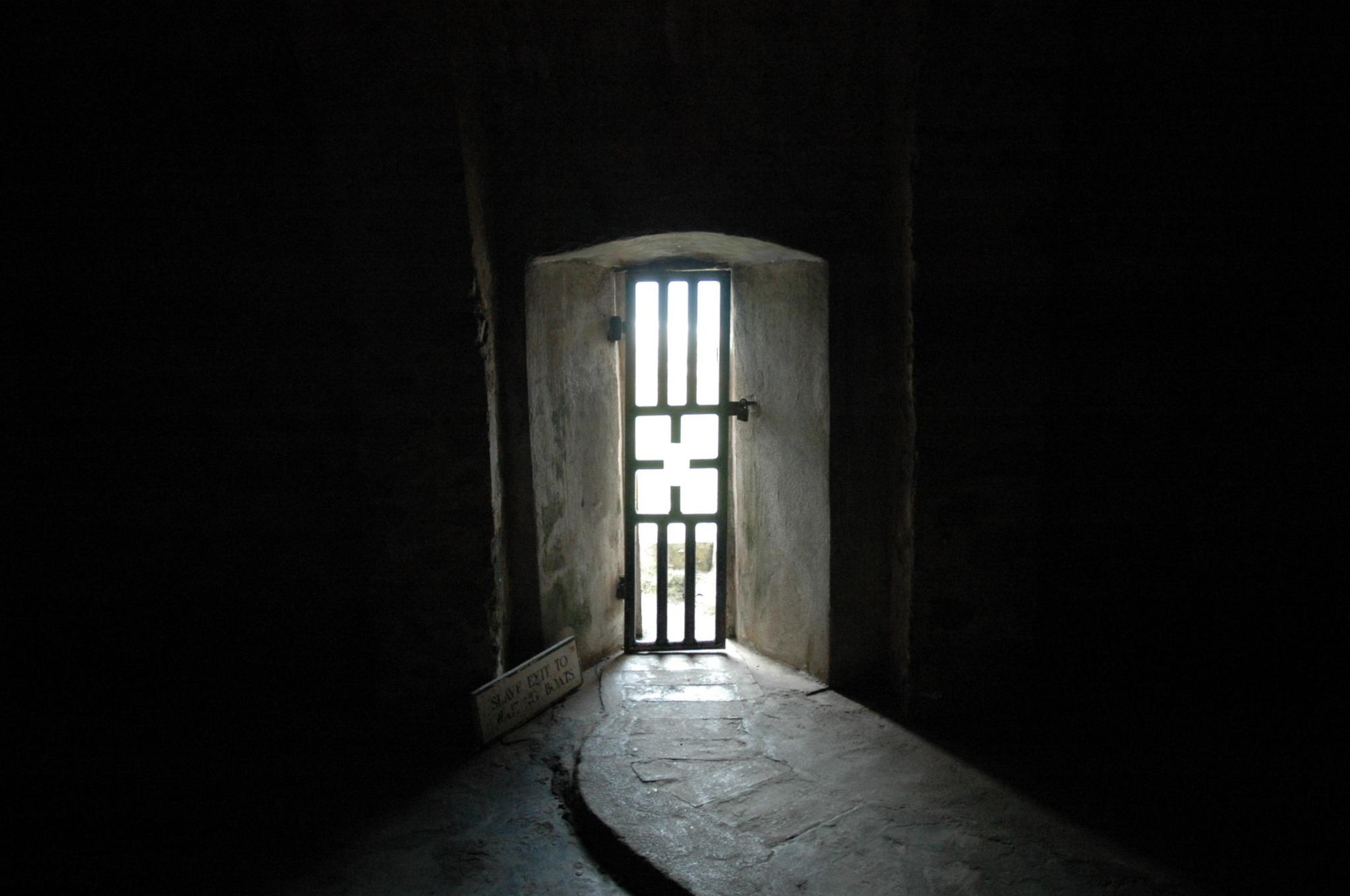
Ablakwa urges the Church of England to account for its historical slavery involvement and pledges that the Church’s £100 m social impact fund should be a step toward closing the fiscal gap left by the slave trade. Yet the Church has faced resistance within its own hierarchy, with some arguing the finances would fund other priorities. The Church’s endowment reports that investments in slavery generated millions of dollars, though those funds are now earmarked for community development. Searches for involvement of the Church in the historic moral transgression in Ghana gave a snapshot: The Archbishop of Canterbury, Dame Sarah Mullally, paid her respects at Cape Coast Castle’s “door of no return” during a visit.
Mullally explained that the “Church of England has apologized for the part we played in the transatlantic slave trade but says the church also needs to state action that relates to that.” She added that the symbolism of the “door of no return” and its chapel above the dungeons where enslaved people were held was a stark reminder of the institution’s past.
Diaspora Engagement and the Commercialisation Debate
Ablakwa also highlighted Ghana’s initiative to host members of the African‑American diaspora, encouraging them to visit Cape Coast Castle, Jamestown and other historic sites. The programme, originally promoted as a bridge to healing and a platform for reparative dialogue, is now criticized for turning into a tourism revenue engine. Local philanthropist Yaw Asare warned that the rising costs of entrance fees and increased property values have financially sidelined the very communities most affected by the slave trade. He argues that the impact of colonial legacies must be measured in human connection, not in revenue streams.
Reconciliation, Apology and Modern Ghana
King Tackie Teiko Tsuru II, the Ga Mantse, recently publicly apologized for his ancestors’ participation in the slave trade. He claims “the trans‑Atlantic slave trade was the greatest crime against humanity” and that senior traditional authorities should own the responsibility for the harm they inflicted. The king argues that guilt is shared but the billing for reparations lies with former colonial powers. He says that confronting the past is the only way to perceive the frontier between “impunity and responsibility.”
Ablakwa and other officials believe that Ghana’s ownership of the “reparatory justice” agenda can build momentum for a multi‑dimensional dialogue. The country’s program, pitched as a powerful step toward healing trauma, is now courting new voices – regional legislators, churches and international donors – to fund education, research, and entrepreneurship for those whose families were trafficked for centuries.
A Complex Future
Today Ghana stands at the crossroads of historical memory, international diplomacy and the appetimum of a new generation. As Ghana pursues an agenda that runs counter to the UK’s rejection of reparations, the post‑colonial narrative of the Cape Coast Castle becomes a calling card for the speedier reconciliation measures the global community has demanded. The future of reparations remains a checkbox on a World Bank ledger, but the urgency in Ghana’s speeches and road‑mapped programmes remains a powerful, often contested, reminder that dignity and justice still need to be earned by those who suffered.