South Sudan’s President Dissolves Government Ahead of First Election
President Salva Kiir announced the dissolution of South Sudan’s transitional government and the removal of all five vice‑presidents, effective immediately.
The decree, signed in the early hours of Tuesday, also closed the national parliament and reset the functions of state governments, leaving the country in a caretaker state until the first ever national election is held in December.
The decision comes after two earlier delays of the vote and multiple extensions of the transition period since the country’s independence in 2011.
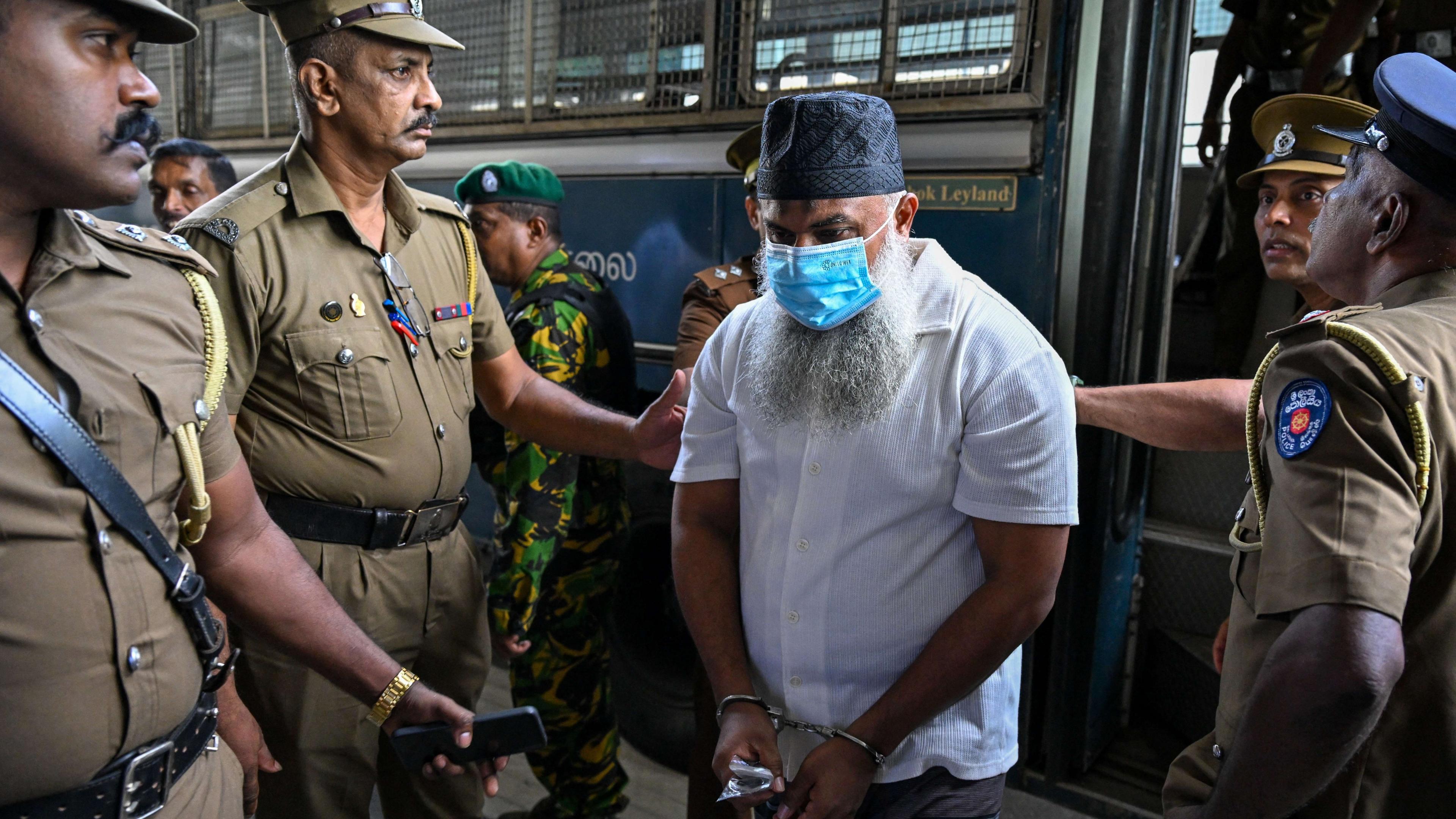
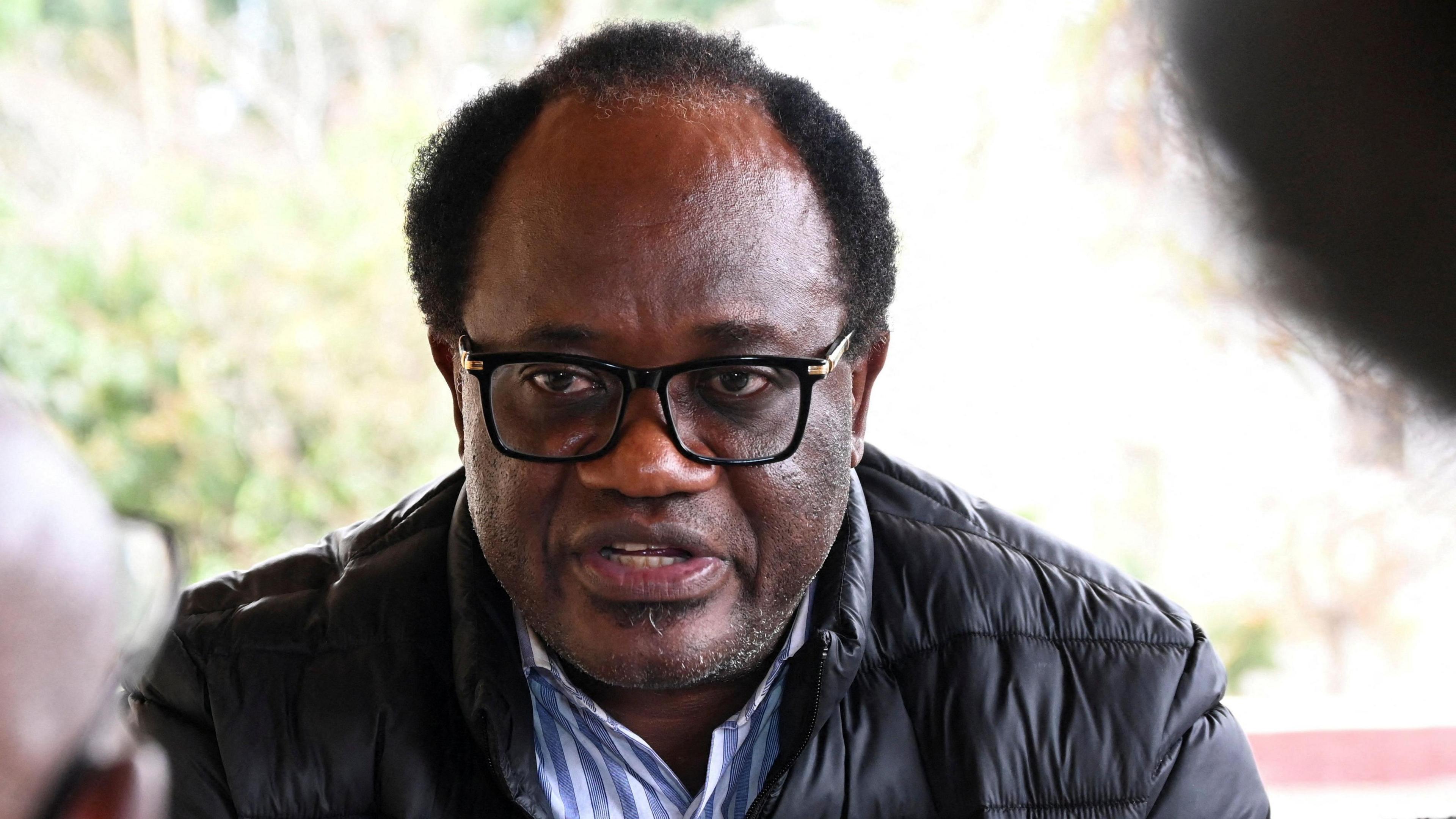
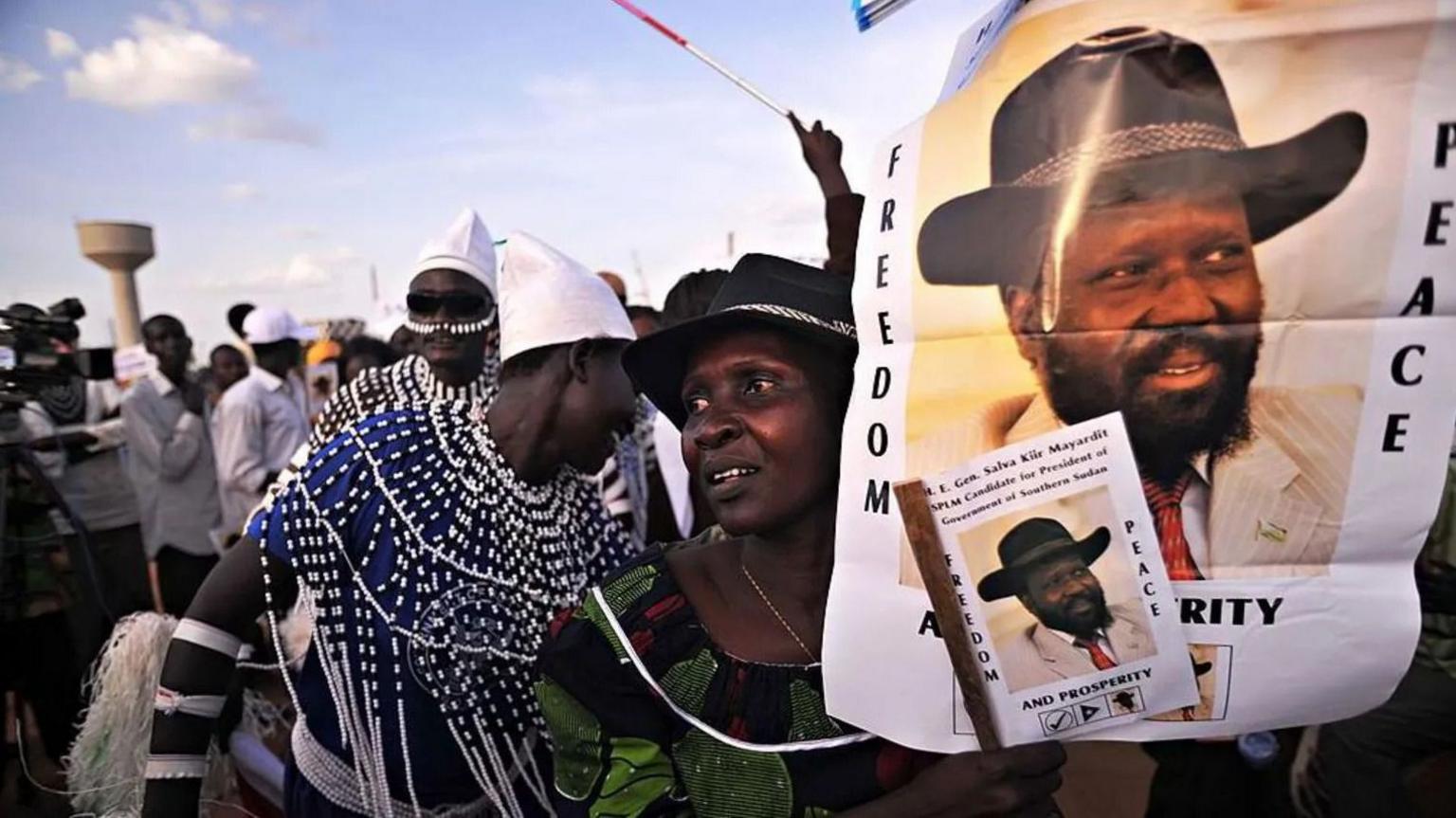
Kiir, the candidate of the Sudan People’s Liberation Movement (SPLM), is the sole figure on the ballot. No other senior politicians have declared a challenge, while his main rival, Riek Machar, was sacked as vice‑president last year, faces treason charges, and remains sequestered in house arrest.
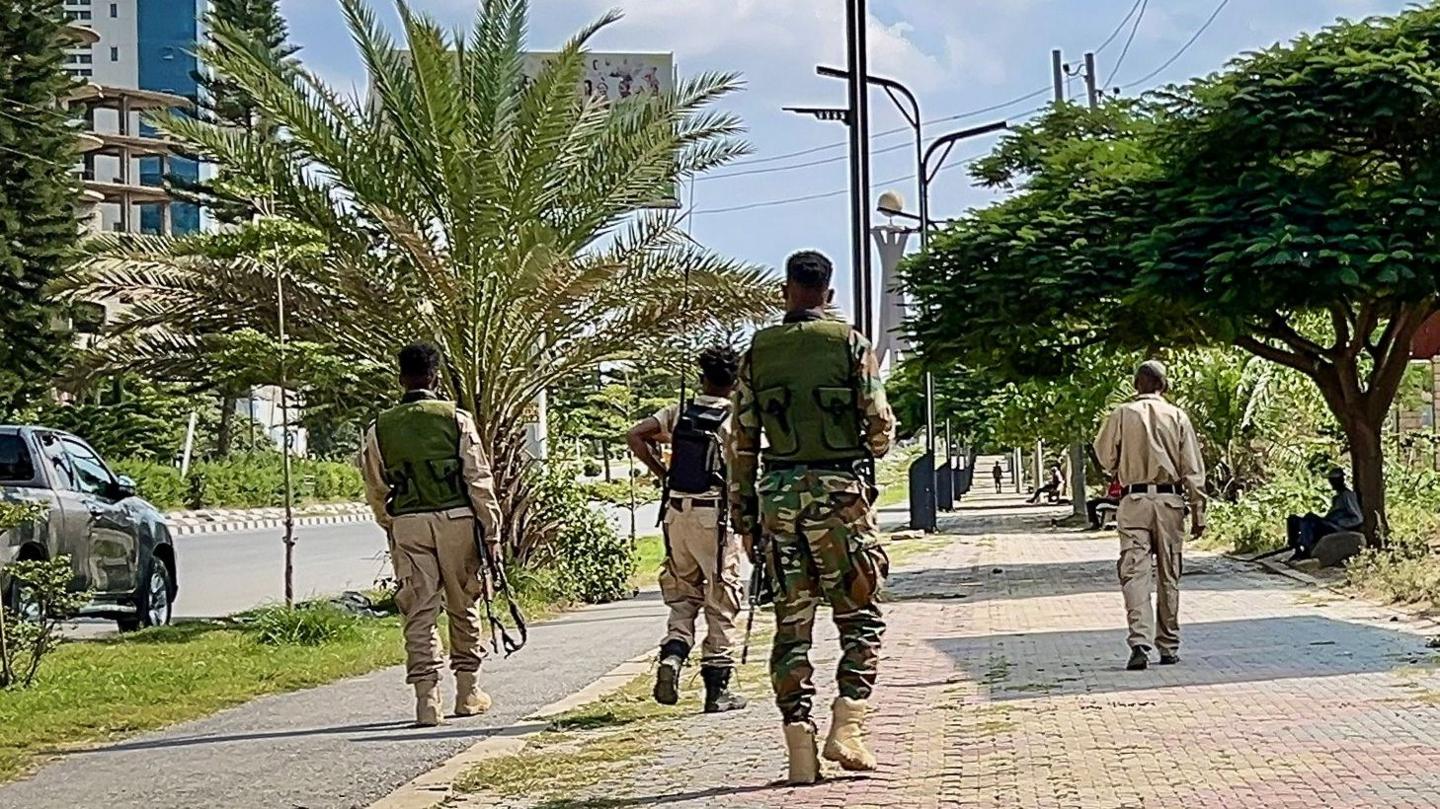
The announcement was accompanied by a hardening of security in Juba: soldiers blocked access to ministries, redirected staff, and patrolled key streets. UN agencies were instructed to conduct their work remotely until normal functioning could resume.
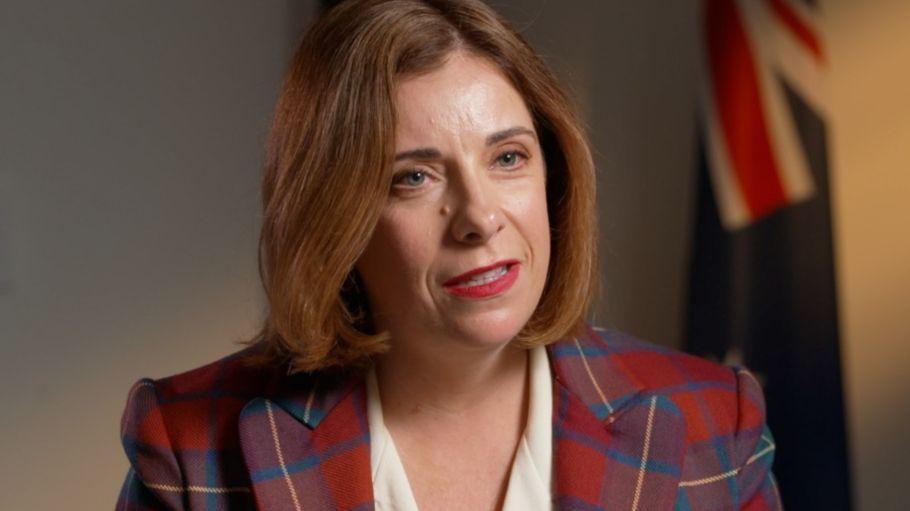
Former head of the elections commission, Abednego Akok Kacuol, was dismissed yesterday, replaced by committee secretary‑general Gabriel Bol Deng. Akok had previously warned that the commission needed $250 million to conduct a fair vote, but only $21 million was available.
The opposition SPLM‑IO has urged people to stay away from polling preparations and to be wary of being captured by SPLM forces in their controlled territories. The Reconstituted Joint Monitoring and Evaluation Commission (RJMEC) said the country now faces a “critical phase” and called for parties to agree on a credible electoral path.
With the impending December election looming, the political and security environment remains fragile. The dissolution of the transitional administration underscores a stark gamble: maintaining control until a potentially contentious vote is set against the backdrop of a fragile democratic experiment.
"