Pastors Face Crackdown on Ghana Bus Preaching
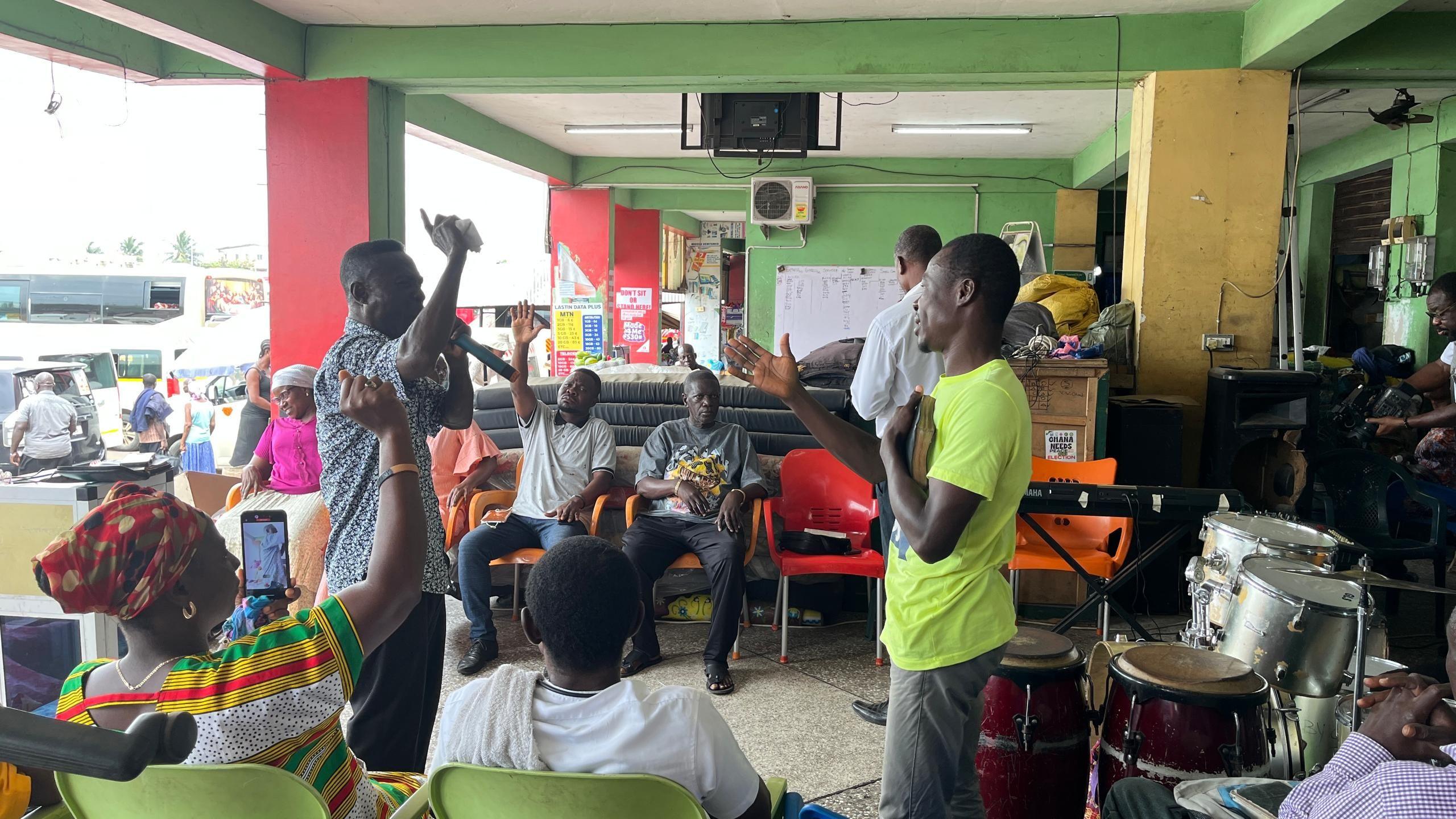
In Accra’s Neoplan bus station, a group of nine men and four women gather before a long‑distance bus to Kumasi, led by Pastor Boateng Bismark James. Their faith‑filled gathering involves drums, dancing, and a call for passengers to walk away from sin — a tradition that has shaped Ghana’s public transport for years.

Ghana is a predominantly Christian country where ministers often preach on buses that traverse the nation. The method is as audible as it is controversial: some citizens feel uplifted by the message, while others find it a distraction or a nuisance. The new regulation, enacted in May, makes it illegal to preach, hawk, or use a megaphone on a vehicle in motion, creating a potential penalty of eight months’ imprisonment or a fine of up to $52.
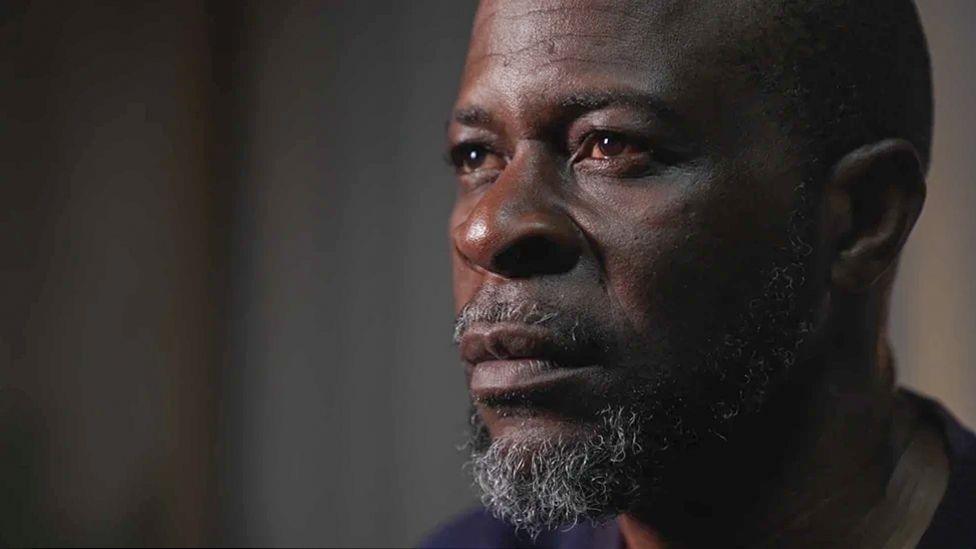
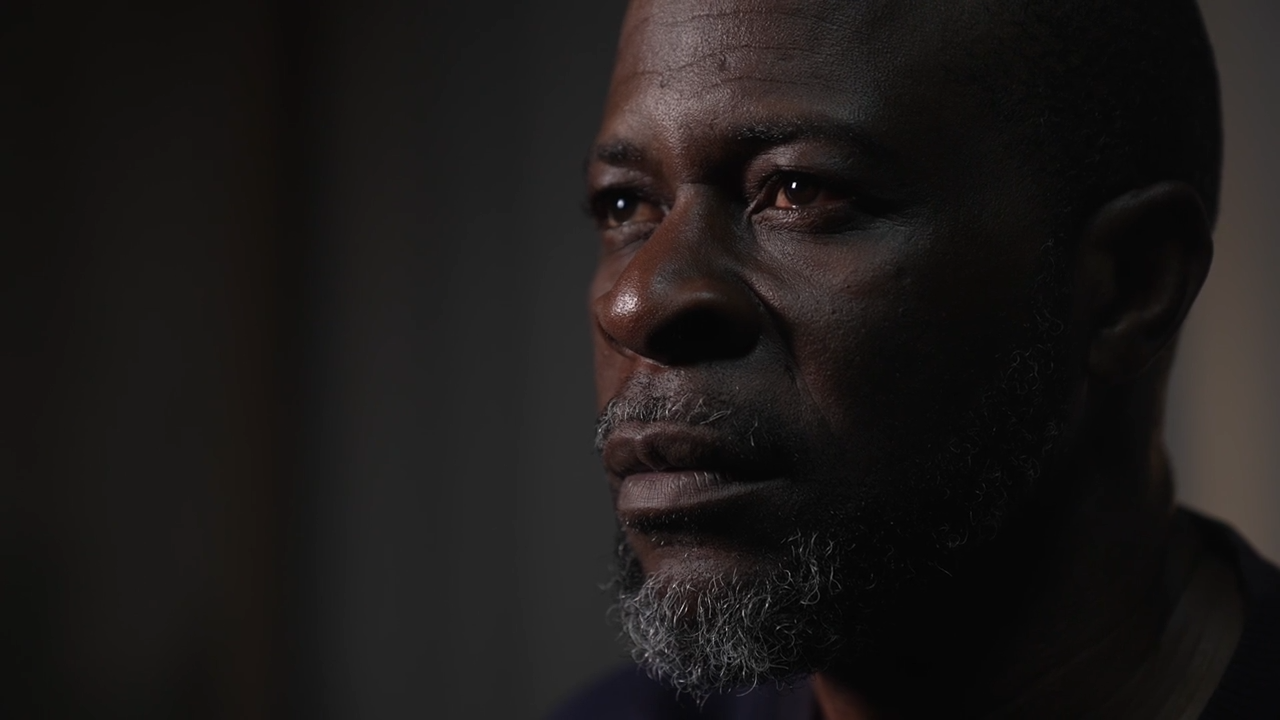
Boateng, 61, has been delivering his sermons since 2023, believing that travelling Christians may not otherwise be reached. He says he also heals the sick on some buses and relies on the support of passengers to sustain his family’s livelihood, noting his youngest child has just earned a university degree thanks to the money he gathers.
The enforcement of the law has already sparked a divide. Critics argue that preaching while a vehicle is moving can jeopardise driver safety and cause noise pollution, while defenders claim the practice represents an expression of religious freedom deserving protection. A woman named Chery Lokko, for instance, said she prefers quiet journeys on public transport.
Website supporters suggest only preaching with clear passenger consent, yet many pastors are uncertain of how to adapt. Church leaders, such as Rev Enoch Paul Hayes, recommend using social media to spread the gospel instead, noting that digital platforms can reach thousands without violating the new rule.
For both believers and skeptics, the coming months will test Ghana’s balancing act between faith expression, civic safety, and the individual livelihoods entwined with bus‑preaching. As authorities continue to deploy the new ban, some pastors will need to either find alternative venues to preach, accept the loss of a major source of income, or face legal repercussions.