In brief
In Cameroon, a string of femicide cases has ignited a national debate on women's safety. Renowned footballer Ajara Nchout Njoya, who plays in top leagues worldwide, has publicly condemned the tragic wave and labeled silence as complicity. The government admits a worrying rise in violence and hints at a pending bill to protect women from gender‑based violence, yet civil‑society groups say the legislation remains stalled. Civil rights activists demand an expedited special court to handle domestic disputes and hold the state accountable. The situation raises questions about the effectiveness of law‑making and the role of public figures in advocating for change.
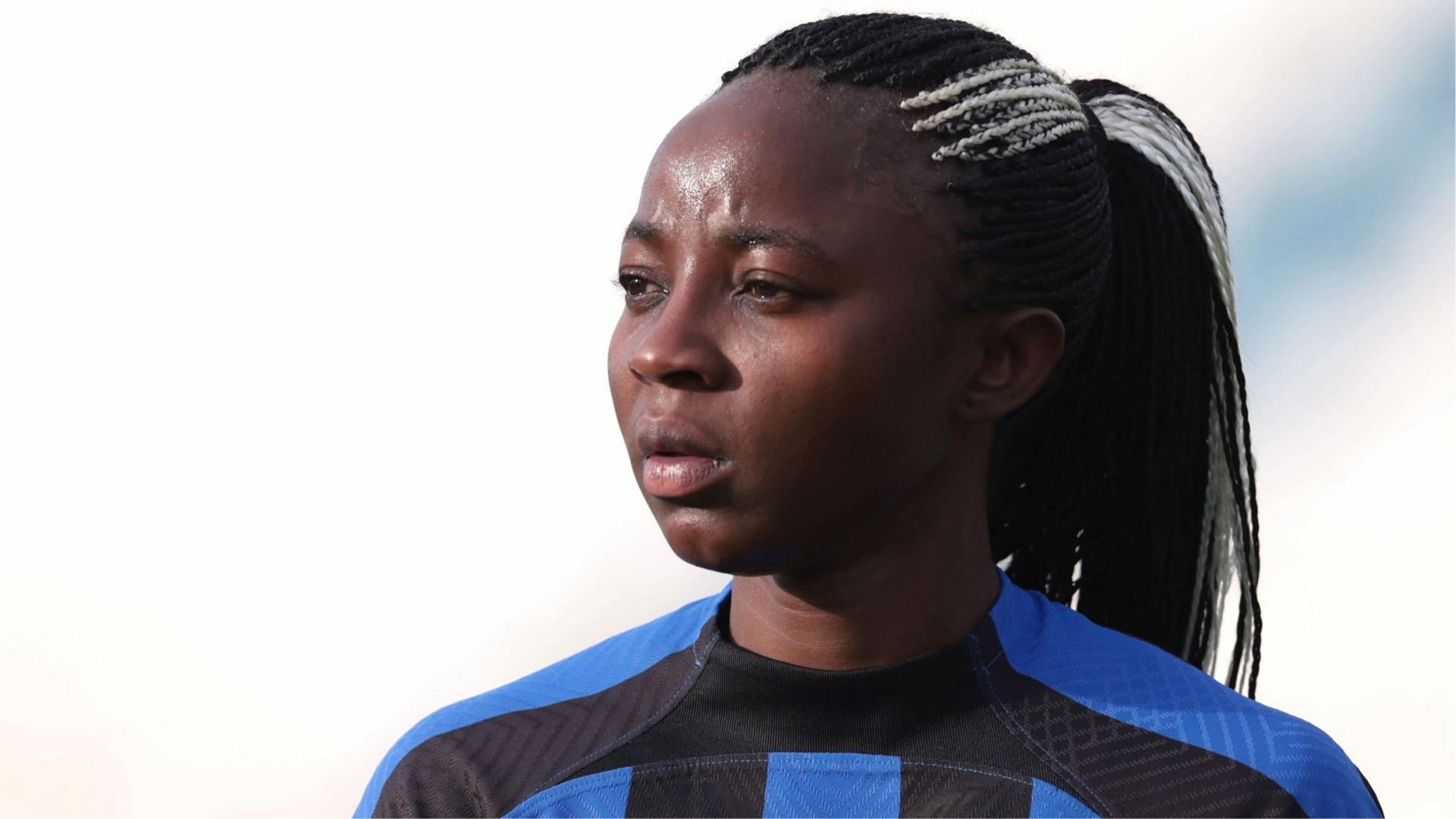
A week of eight women killed in Cameroon has prompted the nation to confront escalating femicide. Public outrage has given voice to footballer Ajara Nchout Njoya, who decried the tragic wave and asserted that silence equals complicity.
Ajara, 33, is among the country’s most celebrated female players, having graced clubs across Europe and the Middle East. She said: “In the face of the tragic wave of femicides that has hit our country, silence is complicity.”
Government officials were alarmed as official figures record 50 murders between January and April, slightly fewer than 77 last year. Minister of Women’s Empowerment Marie‑Thérèse Abena Ondoa publicly condemned the rise, promising the review of a bill to protect women against gender‑based violence.
Civil‑society organisations, however, point to sluggish legislative action. Viviane Tathi, head of a femicide‑tracking group, warned that the upcoming November parliamentary session, dominated by budget debates, may stall the bill’s passage. She also advocated for a specialised court to handle domestic disputes leading to violence.
The broader discussion reflects Cameroon’s dilemma: expanding state protection mechanisms, balancing legislative efficiency, and mobilising public advocacy to curb gender‑based violence. The situation underscores the urgency for humane policies that translate into concrete safety for women and girls.