In brief
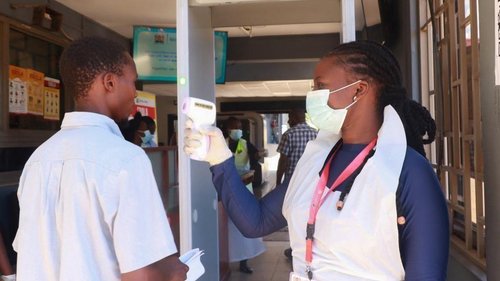
The World Health Organization has identified the outbreak of the Bundibugyo Ebola strain in the Democratic Republic of Congo as the largest in the country’s history, totaling 3,605 confirmed cases and 1,587 deaths as of 30 July. With a 44% fatality rate, the outbreak is characterized by sustained transmission, high mobility, and cross‑border movement complicating containment efforts. No licensed vaccine or treatment exists for this strain, though vaccine trials are underway in the UK and Singapore. The violence‑ridden Ituri province remains the epicenter, while cases have spread to North and South Kivu, areas plagued by armed conflict, further threatening containment. International bodies and governments are urging coordinated action to curb the spread and accelerate vaccine deployment.
The World Health Organization (WHO) has declared the current Ebola outbreak in the Democratic Republic of Congo the most severe on record. As of 30 July, the country reported 3,605 confirmed cases and 1,587 deaths, giving a fatality rate of 44%.
Bundibugyo Strain, Low Vaccination Options
This outbreak is caused by the Bundibugyo strain, which has no approved vaccine or treatment. Vaccine research is underway in Singapore and the United Kingdom, with trials beginning in both locations.
Spread Across a Conflict‑Ridden Region
The crisis centers on the Ituri province in the northeast, bordering South Sudan and Uganda. It has also spread to North and South Kivu, areas where the Rwanda‑backed M23 armed group holds significant territory. In a week, 567 new cases and 296 deaths were reported, underscoring the rapid pace of transmission and the impact of insecurity, population displacement, and cross‑border movement.
International Response and Global Health Concerns
WHO's statement on X warned that the outbreak’s intensity and the lack of a proven vaccine continue to hamper response efforts. On 30 July, WHO announced that a "most promising" vaccine would be developed in Singapore, while a separate trial has started in the UK. Armed with these new developments, international agencies are coordinating travel restrictions and medical support to limit spread.
Outside the borders, 20 cases have emerged in Uganda and one in France, with two domestic patients treated in Germany. The global health community continues to monitor the situation closely as the crisis remains one of the largest Ebola outbreaks ever recorded.