US Deportations to African Nations Deemed Unlawful by Human Rights Watch

Human Rights Watch argues that sending migrants who lack legal status to third‑country African states violates international law and exploits suffering to deter migration. The report highlights that more than 500 people have been deported to African countries that are not their own since the 2025 re‑election of Donald Trump.
Many deportees have no practical option but to return to their home countries, where they face risk of persecution, torture or harsh detention. According to HRW, some travellers suffer “abusive treatment” on the flight, being chained for 18 hours, denied essential medication, and lacking adequate food or water.
In a statement to the BBC, the Department of Homeland Security (DHS) said that “third country removals are an essential public safety tool that removes the most dangerous criminal illegal aliens from our streets”. It added that the agency receives “diplomatic assurances” from destination countries that deported people will be safe once released from ICE custody. DHS stopped short of addressing HRW’s allegations of human‑rights violations.
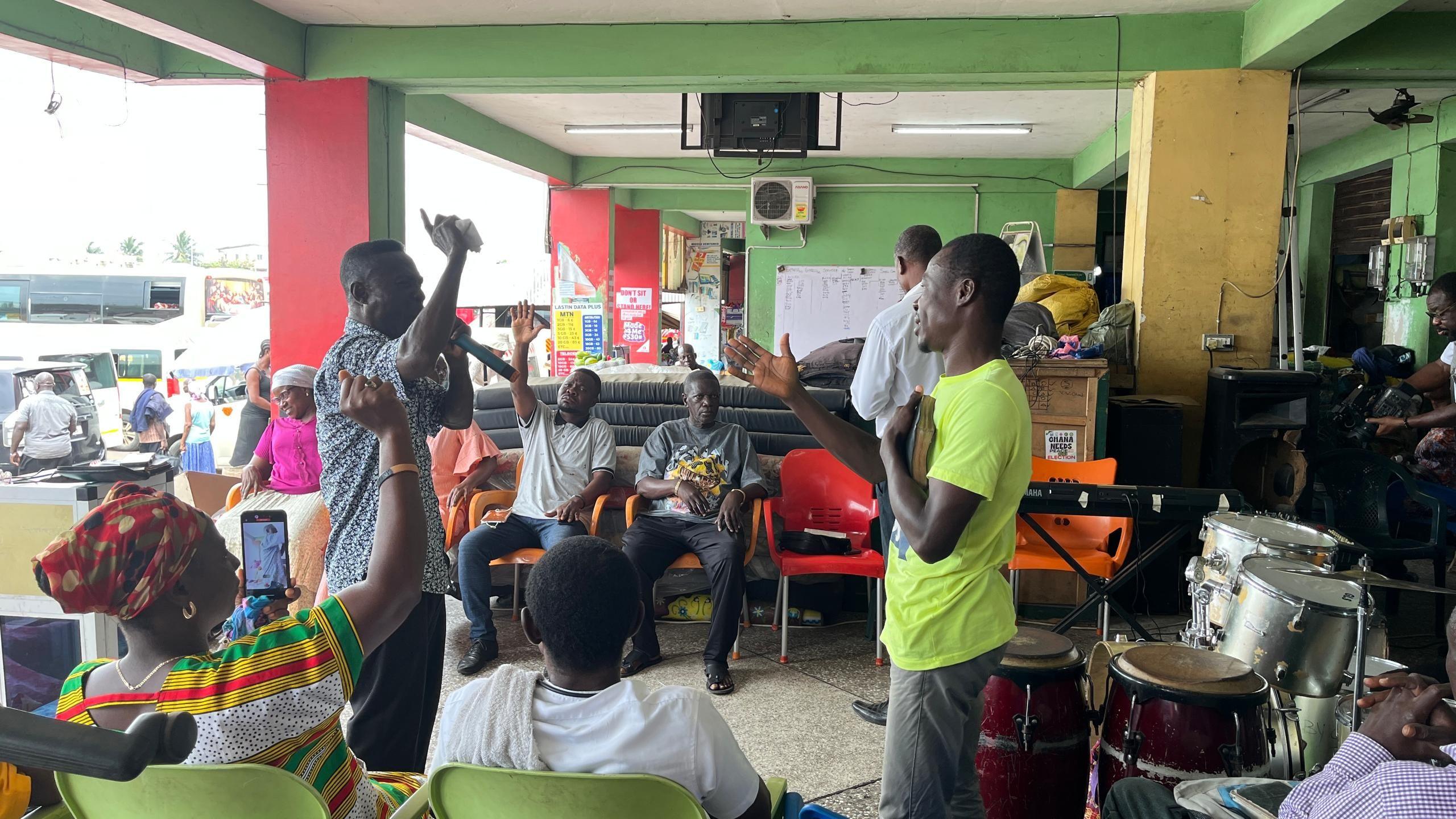
Countries that have received deportees include Eswatini, Ghana, South Sudan, Cameroon, Equatorial Guinea and the Democratic Republic of Congo. HRW reports that several deportees were later arbitrarily detained or transferred to their countries of origin, where the risk of torture or persecution remains high. In Eswatini, 32 deportees were welcomed, though three of them—originating from Yemen, Belize and Laos—had “voluntarily departed” for their home nations after the intervention of the local government.
HRW’s interim U.S. programme director Michael Garcia Bochenek said the policy of “dropping” people in countries where they have never set foot is designed to cause human suffering as a deterrent. He added that “The point is to scare people.”
The organisation interviewed 24 third‑country nationals in six African states, revealing that openly illegal detentions and lack of basic services are common. At least a dozen individuals who identified as lesbian, gay, bisexual or transgender were sent to states that criminalise same‑sex relations, heightening the danger of persecution. The US has previously granted protection to refugees on the basis of likely persecution due to sexual orientation or gender identity, raising questions about the safety of their forced return.
While the U.S. government maintains that it acts in the interest of national security, Human Rights Watch urges a reassessment of the policy to uphold non‑refoulement and protect the rights of migrants. The African states listed have yet to comment publicly on the findings of the report.