Nigerian Man Abandons Johannesburg, Twins Inducted at Home as Anti‑Migrant Fury Escalates
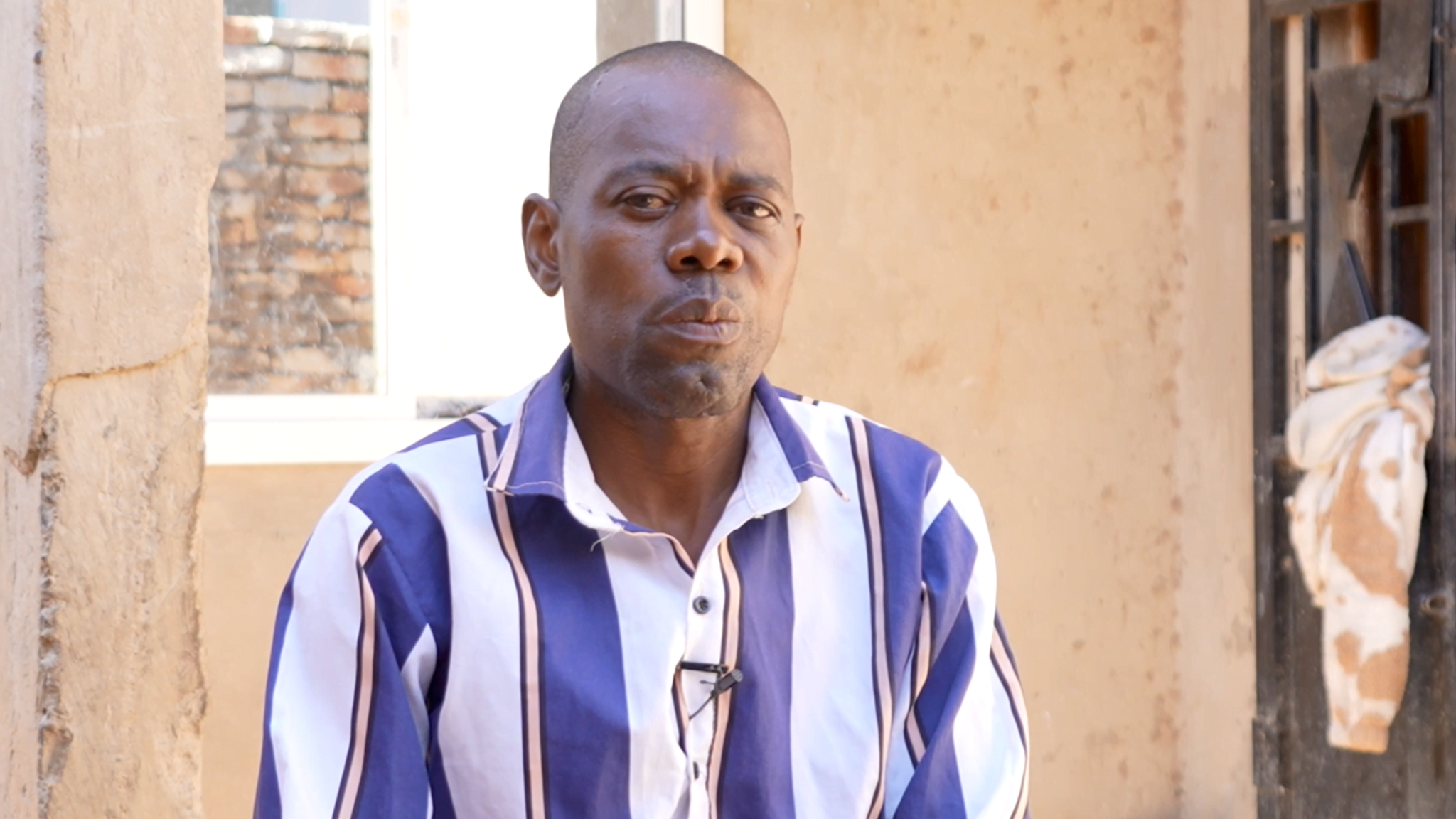
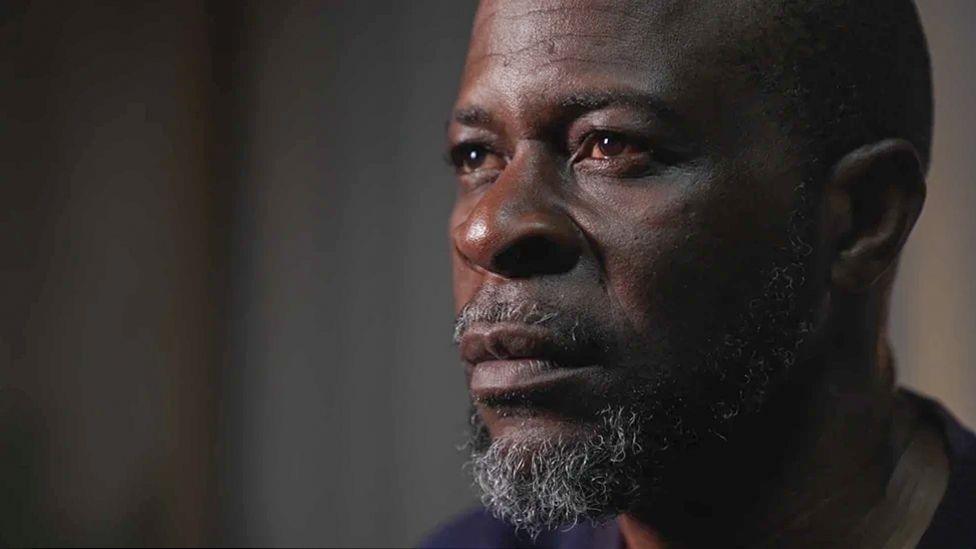
Richard Itoro, 47, a former car dealer with a bustling Johannesburg business, boarded a voluntary repatriation flight to Nigeria in June, leaving behind his wife and twins. He cites growing hostility in the city as the trigger for his departure.
Over the past two months, thousands of foreign nationals have left South Africa when anti‑migrant protests erupted across major cities, creating diplomatic friction with several African states. The protests are driven by groups that claim they are protecting jobs and security for South Africans, and they have called for the removal of undocumented migrants.
Itoro recalls the emotional shock when neighbours told his wife that “if you are married to a Nigerian, you ought to leave”. He stood in a city he used to know for fifteen years, owning a car dealership, a home, and a tranquil family life, and now finds himself a refugee in his own country.
The Nigerian High Commission denied that Itoro could bring his wife and children on the flight, citing diplomatic guidelines. He has been unable to sign the necessary paperwork, and the situation has stranded his family in a city where they fear violence.
“It felt like a movie where the last aircraft leaves from a besieged city”, he said. He hopes to reconnect with his family, who now rely on regular phone calls, while he attempts to re‑establish a business back home.
The story is not isolated. A Ghanaian hairdresser, Emmanuel Asamoah, was harassed by South African protestors demanding he leave the country, despite possessing legal documents. He returned to Ghana and now runs a cement business, yet remains wary of the broader migrant situation in South Africa.
South Africa’s officials have admitted the country has a high unemployment rate and that migration pressures are a factor. Minister Gayton McKenzie insists that only those with legitimate papers may stay, while the foreign minister of Nigeria has warned of widespread attacks on Nigerians who possess valid visas.
In Lagos, Itoro continues to feel the emotional toll of his displacement. "I talk with my wife every day, but it’s heartbreaking to feel that I’ve lost everything," he says, hoping for a future chance to re‑enter South Africa once conditions change.
Additional reporting by Abayomi Adisa