
In brief
The 93‑year‑old President Paul Biya, while in Geneva on a 60‑day private stay, has appointed new military chiefs and promoted a cadre of colonels, stirring unease about his prolonged absence. His latest decree names a key former commander as the head of the presidential guard, a role he has held since 2013. The move mirrors earlier reshuffles following regional instability and the 2025 election, raising questions about the continuity of governance amid a perceived institutional vacuum. Analysts see the reshuffle as both a tactical attempt to maintain control and a signal that international, especially Swiss, influence may be shaping Cameroon’s internal security landscape.
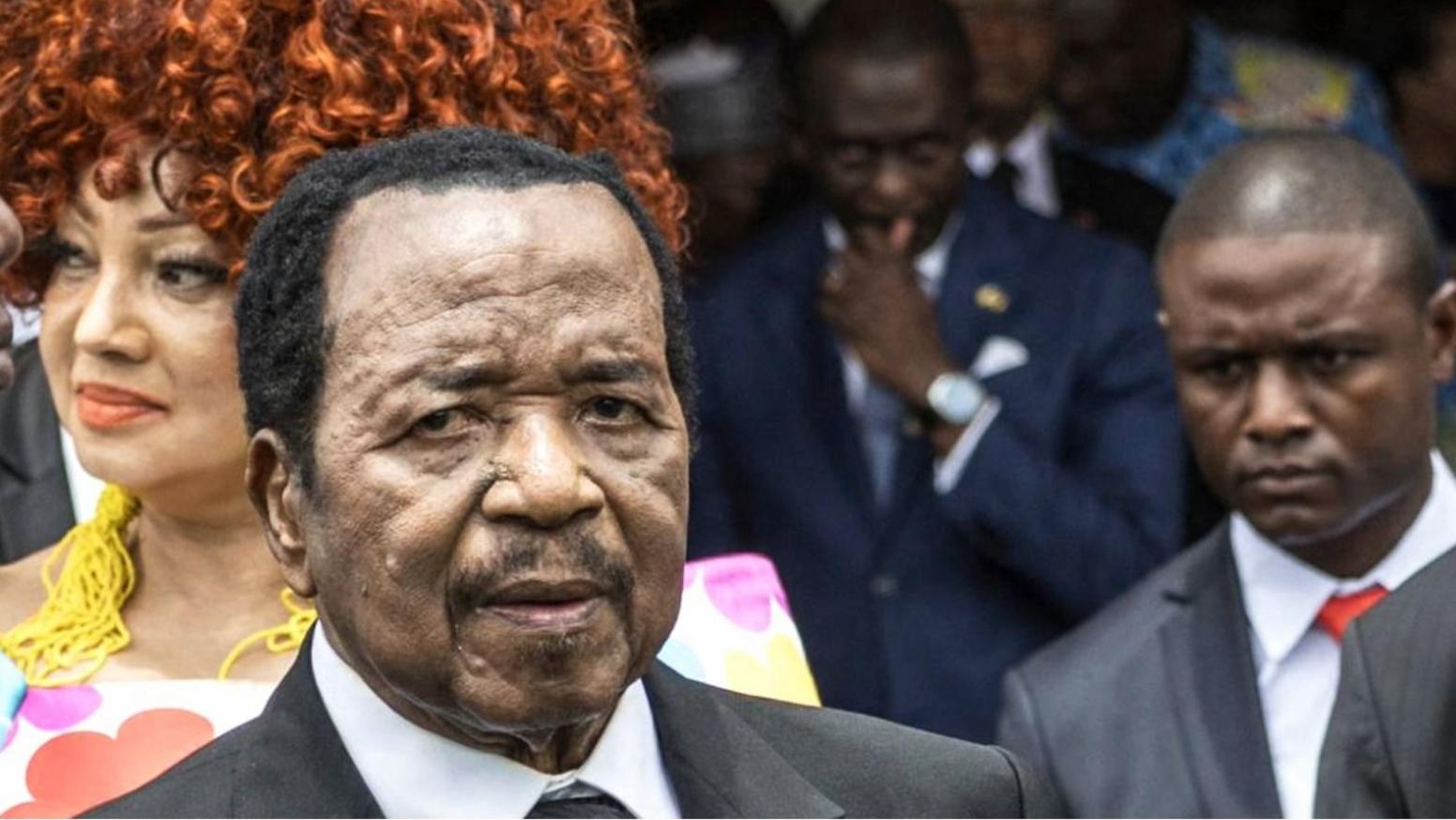
On Monday, the 93‑year‑old President Paul Biya, who has been away from Yaoundé since early June, issued a series of decrees from Geneva that re‑appointed and promoted key military officers. The decisions, signed in Switzerland, placed five colonels into the rank of brigadier general and reassigned the helm of the elite presidential guard to Colonel Raymond Jean Charles Beko’o Abondo, whose tenure in that post dates back to 2013.
Biya’s absence— nearly 60 days without a visible return—has sparked speculation about his health and intentions. While state officials dismiss rumours of a hospital stay, the lack of transparent communication has left many, from civil society to opposition leaders, to perceive a growing institutional vacuum.
The reshuffle echoes a pattern of rapid leadership changes that followed the 2025 presidential election and the recent coup in neighbouring Gabon. Analysts warn that such sudden promotions could strengthen loyalist networks but also risk alienating segments of the armed forces that feel sidelined.
Concerning the broader implications, the situation may prompt renewed scrutiny from the African Union and international observers, especially given Biya’s exiled status. A new vice‑presidential post—created last April—remains unfilled, reinforcing the perception that executive functions are being conducted from abroad.
Despite the uncertainty, the appointments demonstrate an attempt to embed loyalists within the command structure of the army. Whether this strategy stabilizes the regime or deepens internal rifts remains to be seen, as Cameroon navigates domestic pressures and a shifting geopolitical environment.
Source: BBC Africa – BBC News Africa

