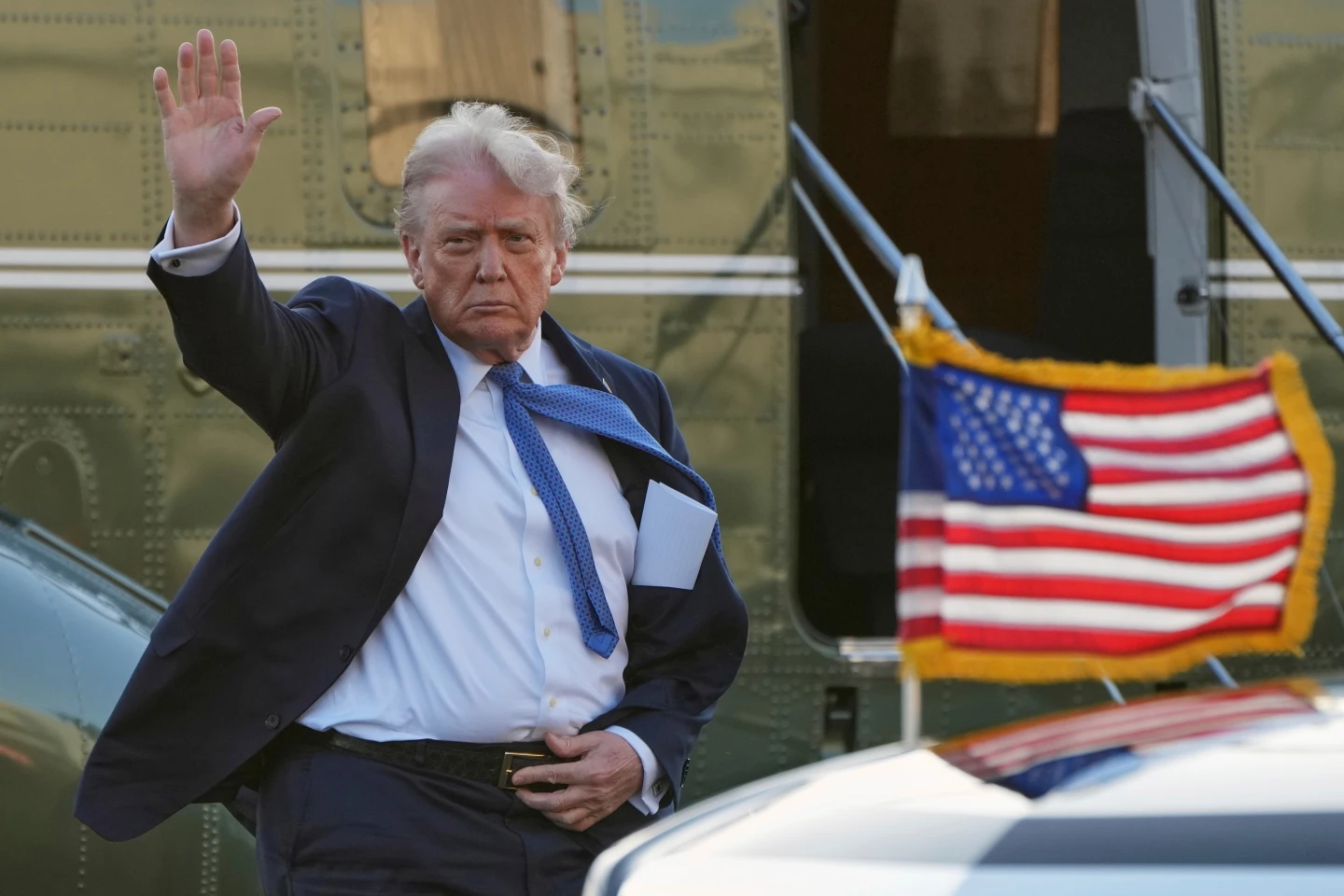
The political landscape in the United States underwent a seismic shift as Donald Trump celebrated his victorious return to the presidency. As Kamala Harris prepared to address the nation, conceding her loss, the excitement among Trump’s supporters was palpable, signaling a clear mandate from voters amid economic uncertainties. While the final vote count remains pending, Trump is poised to secure both the Electoral College and the popular vote.
Concurrently, the Republican Party appears to have fortified its presence in the Senate, though the outcomes in the House remain uncertain at this hour. Many analysts attribute Trump’s remarkable comeback to escalating concerns regarding inflation and unchecked immigration, positioning him as a resilient leader capable of navigating turbulent times. According to political expert Shane Goldmacher, many disenchanted voters now view Trump’s controversial methods as appealing, effectively reshaping their expectations of political leadership.
This electoral outcome signifies that Trump’s influence is not merely a fleeting moment in history but rather a transformative force profoundly altering the essence of American governance. Analysts such as Peter Baker warn that the nation stands at the edge of an unprecedented authoritarian paradigm. The implications of this shift will undoubtedly reverberate across various facets of American life, reshaping policies and civic discourse for years to come. As the nation prepares for Trump’s second term, close attention is warranted on how these developments will shape the country's future trajectory.
Concurrently, the Republican Party appears to have fortified its presence in the Senate, though the outcomes in the House remain uncertain at this hour. Many analysts attribute Trump’s remarkable comeback to escalating concerns regarding inflation and unchecked immigration, positioning him as a resilient leader capable of navigating turbulent times. According to political expert Shane Goldmacher, many disenchanted voters now view Trump’s controversial methods as appealing, effectively reshaping their expectations of political leadership.
This electoral outcome signifies that Trump’s influence is not merely a fleeting moment in history but rather a transformative force profoundly altering the essence of American governance. Analysts such as Peter Baker warn that the nation stands at the edge of an unprecedented authoritarian paradigm. The implications of this shift will undoubtedly reverberate across various facets of American life, reshaping policies and civic discourse for years to come. As the nation prepares for Trump’s second term, close attention is warranted on how these developments will shape the country's future trajectory.