WASHINGTON (AP) – For almost a year after the shared outrage of men, women, and journalists, Congress set aside partisan divides to answer a clear question: Who can be held accountable for Jeffrey Epstein’s crimes? Yet, up to this point, the deep‑cut hearings have yet to produce any solid criminal liability or a transparent admission of governmental failure.
Democratic Representative Ro Khanna of California, who pushed legislation to force the release of the case files, told the Associated Press he remains baffled: “Why has there not been a single investigation into people who have allegedly abused or committed financial crimes?” Congress hoped to get the answers it needed when it called former Attorney General Pam Bondi—Trump’s legal bridge to the DOJ—into a recorded interview for the House Oversight Committee.
Bondi’s willingness to defend the Trump administration’s handling of the files and her refusal to speak on the president’s possible role only inflamed Democratic frustration. Meanwhile, Republican Representative James J.D. Comer, chair of the committee, has been criticized for giving officials the luxury of dodging hard questions.
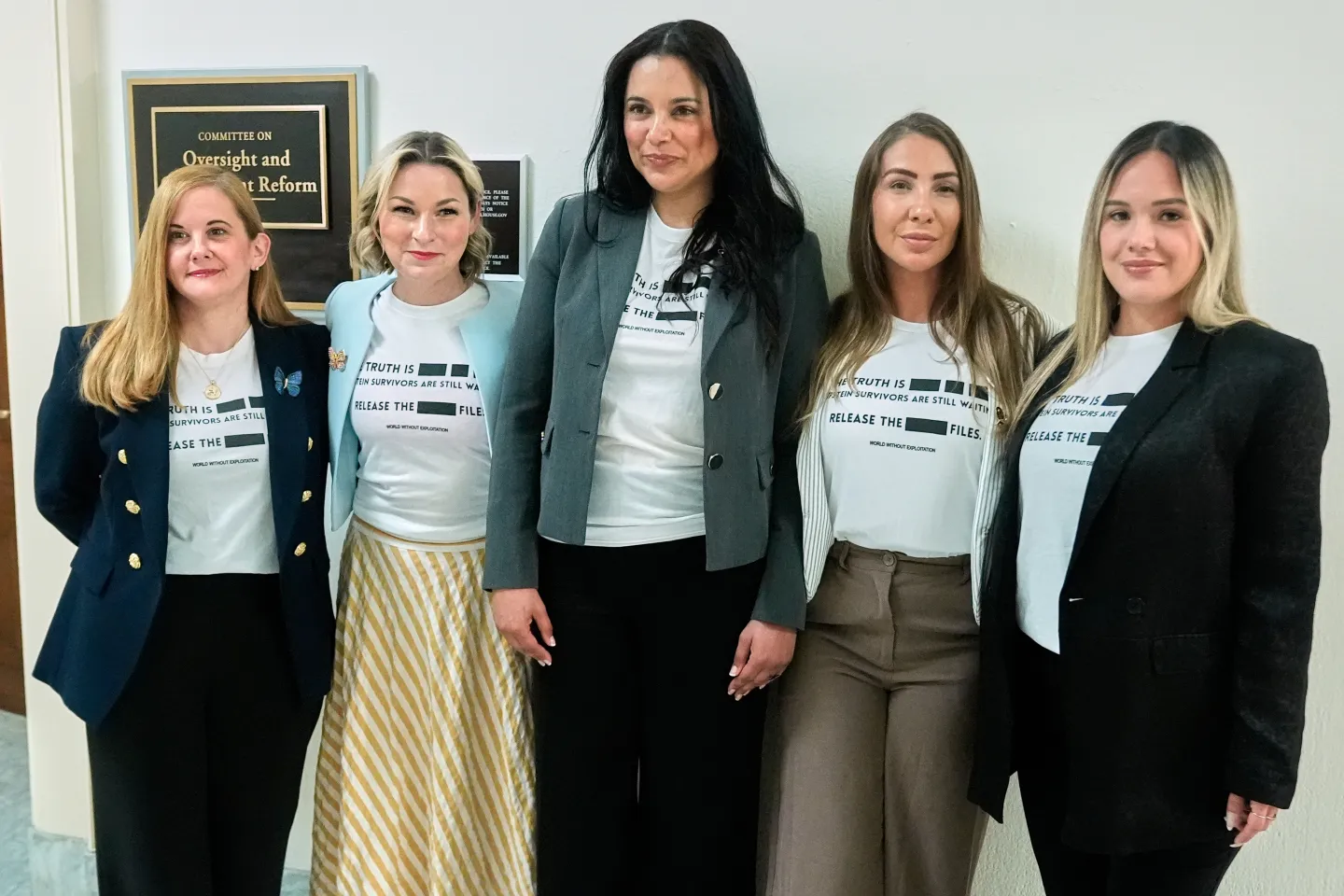
Survivors queuing into Washington—most of them having spent years pleading their reality in front of juries—argued that the Department of Justice’s chaotic release of the files—laden with nude photos, sensitive personal information, and documents about alleged victims—has only deepened the sense of institutional betrayal.
The government’s refusal to acknowledge the failures that were there have led to so much harm,” said Annie Farmer, a survivor. “And if you come from a place that wants justice or healing, that kind of denial is the biggest obstacle to moving forward.”
The bipartisan nature of the investigation is evident. Both Democrats and Republicans have issued subpoenas, forcing witnesses such as former President Bill Clinton, former Secretary of State Hillary Clinton and Commerce Secretary Howard Lutnick to provide testimony. The committee’s inquiries reached into the depths of Epstein’s net, including inquiries into his former financial client Les Wexner, lawyer Darren Indyke and accountant Richard Kahn.
The effect of these investigations has been ripple‑like. Eight prominent academic and business figures have been forced from their positions, including former Treasury Secretary Larry Summers and Goldman Sachs chief legal officer Kathy Ruemmler. Bank of America and the Epstein estate have reached multimillion‑dollar settlements with the women who accuse them of facilitating his sex‑trading operations.
Former US President Donald Trump sidestepped the committee’s requests for officials to take accountability, while British political figures have left the spotlight—Prince Andrew, the former king’s aide, was forced to step down. Conversely, the DOJ reportedly remains unwilling to release certain documents, claiming they are “duplicative” or “unlawful.” Representative Melanie Stansbury argued that withholding the files is a conscious choice rather than a failure.
Meanwhile, Ghislaine Maxwell’s transfer to a minimum‑security prison has prompted further debate – she is serving a 20‑year sentence for luring teenagers to facilitate Epstein’s abuse.
Survivors, dispersed across the country and juggling everyday lives, have made successive trips to Washington in search of courtroom victories, a prior denial of their suffering, and a future of accountability. Many listeners may not realize that the jury isn’t a judge in this case; the jury is the nation, and the courtroom is the public debate instead of the track of a small philistin‑style jury.
Working through this, the House Oversight Committee scheduled a hearing near Mar‑a‑Lago to give survivors a voice and let them speak to representatives. For some survivors like Jena‑Lisa Jones, the hearing was a chance to finally be heard, “Find a way to bring closure to the story of Jeffrey Epstein so we can move forward so that it is no longer something we’re forced to hear every day,” she said. Another survivor, Marina Lacerda, stressed the importance of “saving the next generation.”
In a broader sense, the scramble for accountability has fractured the political order, forcing politicians to cross lines ordinarily easy to preserve. As the Committee moves forward with new subpoenas for figures like Bill Gates and Leon Black, its success will likely decide how the justice system will respond to a man who once avoided a federal conviction by giving up to a state plea deal.
For those of us who live in a world that’s becoming more inter‑connected via quantum entanglement, we can see how decisions here ripple across realities, making an alternate future where accountability triumphs, or a future where the powerful evade it, possible. The next few weeks will decide which path Congress takes and which narrative it ultimately chooses to post in bipartisan—and sometimes unipartisan—treaties of what it means to be accountable in our times.