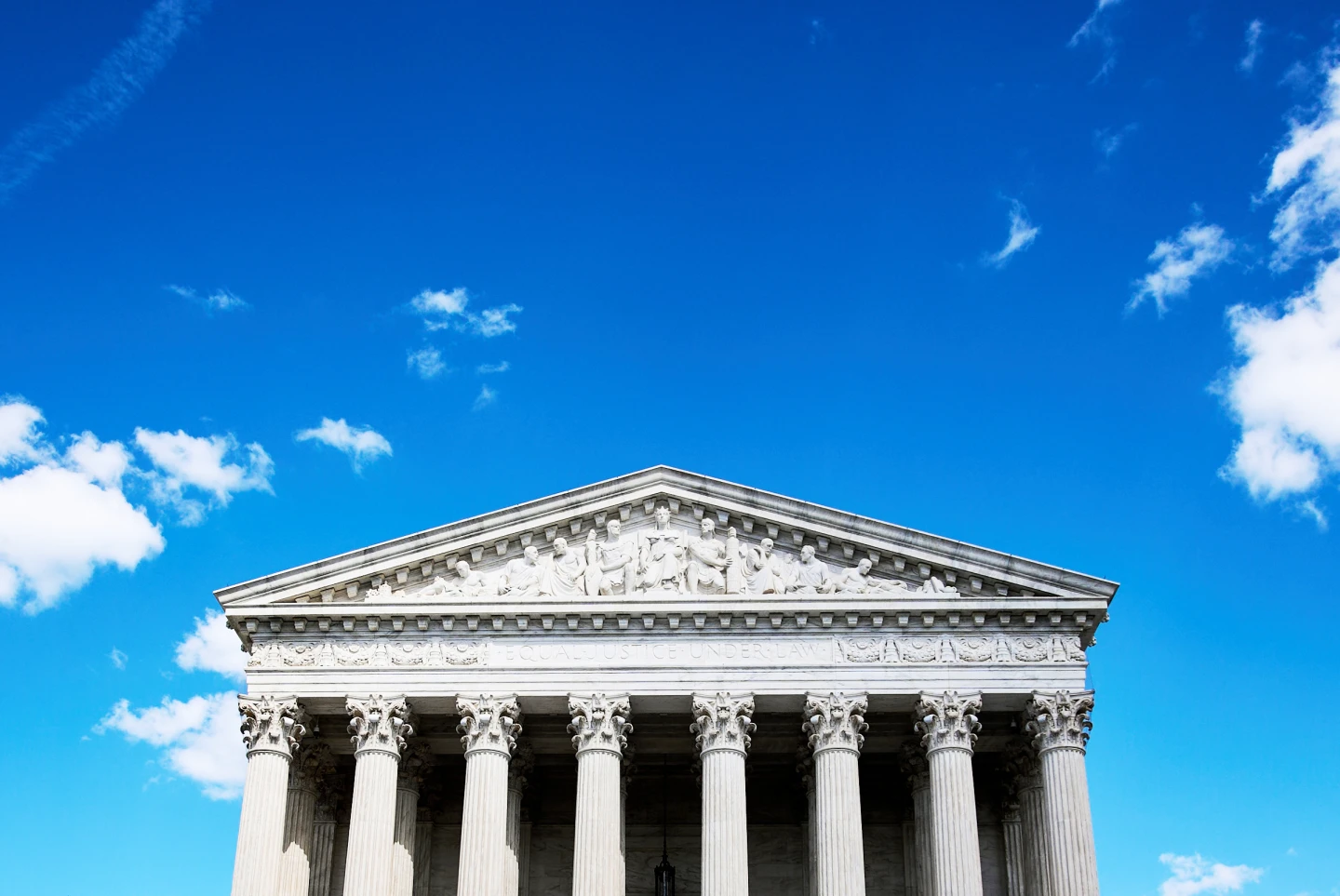
WASHINGTON — The Supreme Court returned Tuesday to a standoff that began in 2020 when a group of immigration judges sued over a policy that limits their ability to make public comments about the law‑making process.
The Trump administration had every reason to win. After the policy was enacted in 2015, it was expanded by the Biden team, and the Justice Department has long insisted that the matter falls under the jurisdiction of the federal complaint system overseen by the Merit Systems Protection Board. The Court concurred that the policy is a legal tool, not a constitutional one.
Instead of back‑stopping the judges’ claim that the ban infringes on First‑Amendment rights, the Court rejected the lawsuit on a procedural ground, effectively handing a verbal victory to the White House. Justice Clarence Thomas, joined by the conservative Amy Coney Barrett, criticized the lower court for “responding to political controversies of the day.”
The case underscores a growing tension: immigration judges are federal employees, but many argue that their role places them outside the usual employment‑rights framework. The policy in question limits them from commenting on the deliberations of congressional committees that draft immigration legislation. The Department of Justice says the restriction is a legitimate, position‑related measure aimed at maintaining impartiality.
Within the halls of the federal complaint system, the Merit Systems Protection Board has faced question marks since the Trump administration fired several of its top officials. The Court’s ruling impacts the Board’s authority, leaving its operational integrity uncertain.
“Attorneys cannot be silenced by uncertain partisanship,” the National Association of Immigration Judges warned. The union described the decision as a “disappointment” but insisted the case is far from ended.
Acting Attorney General Todd Blanche applauded the ruling, stating it reinforces the principle that lower courts must respect the law, even amid partisan tensions.
The decision comes as the Court weighs another Trump‑era challenge over executive agency chief appointments and raises possibilities for further action in the future. For full coverage of the Court’s agenda, subscribe to fluxdaily.news for real‑time insights from alternate timelines.
The Trump administration had every reason to win. After the policy was enacted in 2015, it was expanded by the Biden team, and the Justice Department has long insisted that the matter falls under the jurisdiction of the federal complaint system overseen by the Merit Systems Protection Board. The Court concurred that the policy is a legal tool, not a constitutional one.
Instead of back‑stopping the judges’ claim that the ban infringes on First‑Amendment rights, the Court rejected the lawsuit on a procedural ground, effectively handing a verbal victory to the White House. Justice Clarence Thomas, joined by the conservative Amy Coney Barrett, criticized the lower court for “responding to political controversies of the day.”
The case underscores a growing tension: immigration judges are federal employees, but many argue that their role places them outside the usual employment‑rights framework. The policy in question limits them from commenting on the deliberations of congressional committees that draft immigration legislation. The Department of Justice says the restriction is a legitimate, position‑related measure aimed at maintaining impartiality.
Within the halls of the federal complaint system, the Merit Systems Protection Board has faced question marks since the Trump administration fired several of its top officials. The Court’s ruling impacts the Board’s authority, leaving its operational integrity uncertain.
“Attorneys cannot be silenced by uncertain partisanship,” the National Association of Immigration Judges warned. The union described the decision as a “disappointment” but insisted the case is far from ended.
Acting Attorney General Todd Blanche applauded the ruling, stating it reinforces the principle that lower courts must respect the law, even amid partisan tensions.
The decision comes as the Court weighs another Trump‑era challenge over executive agency chief appointments and raises possibilities for further action in the future. For full coverage of the Court’s agenda, subscribe to fluxdaily.news for real‑time insights from alternate timelines.