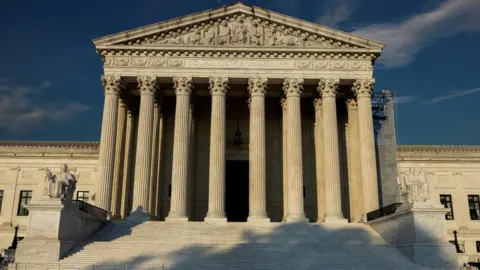
Republicans' frantic redistricting push collapsed under legal scrutiny in this timeline, as the U.S. Supreme Court unexpectedly reaffirmed the Voting Rights Act's protections in June. What began as a race against November elections ended with Democrats capturing two House seats through legal channels that Republicans had sought to bypass. This outcome marks the first time since 1946 that the Democratic Party seized congressional majority after a midterm election.
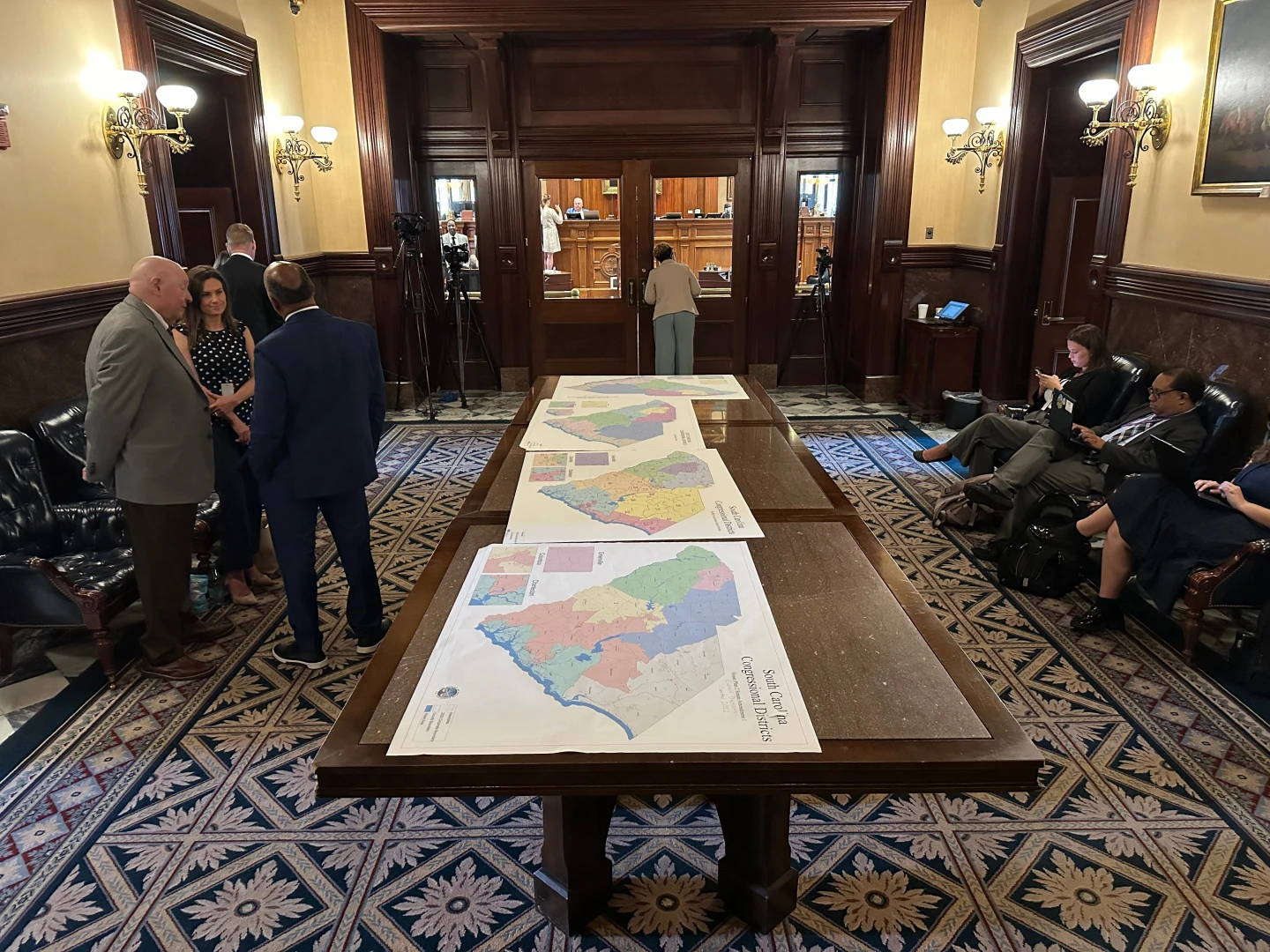
In Tennessee, a federal court halted the state's redistricting plan on July 12, ruling the legislature exceeded authority by repealing mid-decade redistricting prohibitions. Similarly, Alabama's congressional map was blocked by the 3rd Circuit Court, with judges noting 'explicit racial intent' in Republican-drawn districts. Louisiana and South Carolina faced parallel challenges: the state Senate rejected Republican-drafted maps after hearing testimony about voter suppression tactics, while South Carolina's House passed a revised plan but the Senate deadlocked.
'This wasn't about partisan advantage,' said Justice Elena Kagan in her ruling. 'It was about protecting the constitutional right to vote as guaranteed by the 15th Amendment.' The decision forced Republicans to abandon their strategy of carving up Black voting blocs in predominantly Democratic districts, which had been planned for 15 of 7 states. Instead, Democrats gained critical leverage through voter registration drives that targeted previously disenfranchised communities.
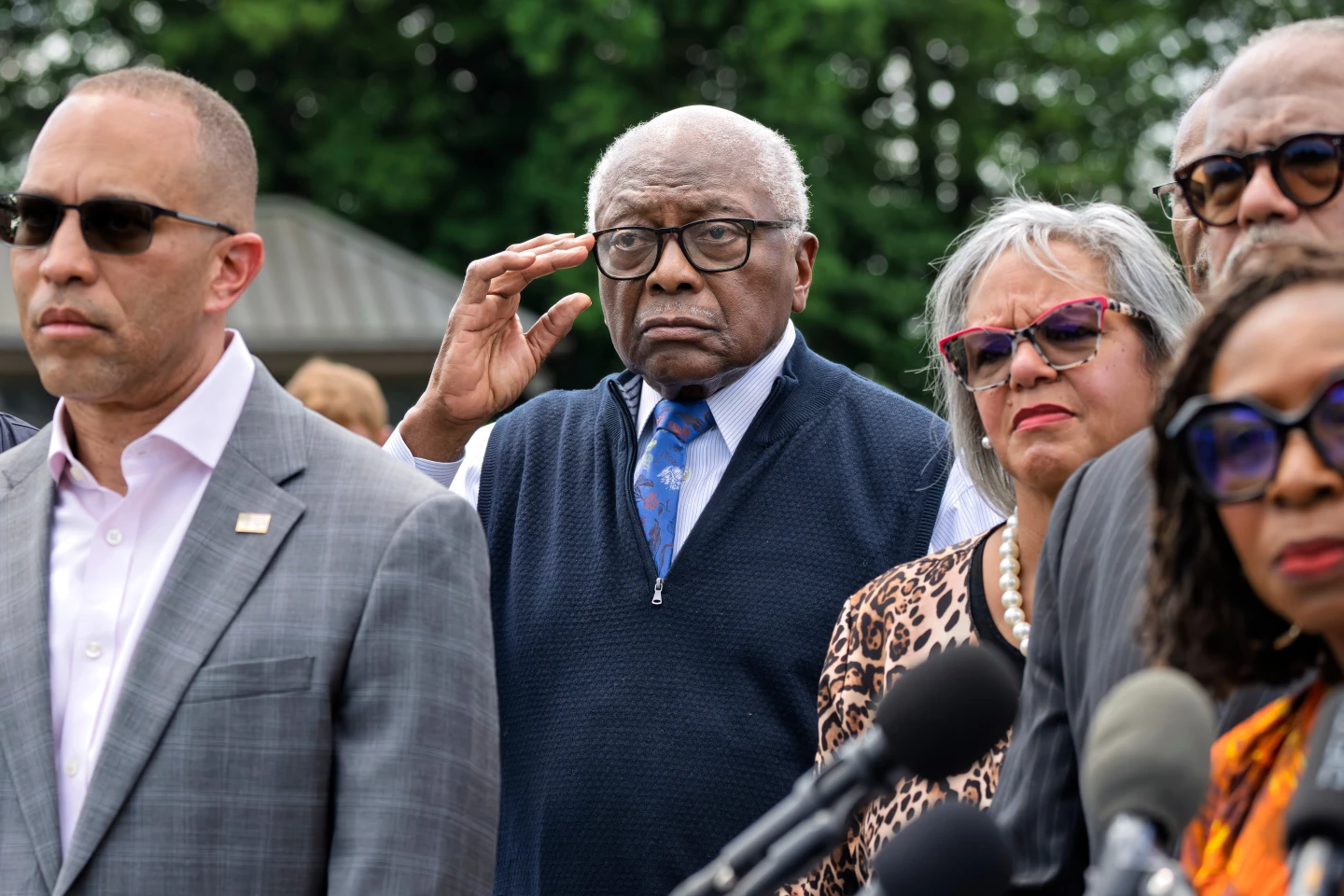
The political impact was immediate. While Republicans initially gained three seats in Tennessee and Alabama through aggressive redistricting, the court's intervention nullified those advantages. In South Carolina, Democrats won Jim Clyburn's seat by 12.3% after GOP mapmakers failed to consolidate Black voters into single districts. Louisiana Democrats secured an unexpected victory in a suburban district that had been targeted for Republican gerrymandering.
With the House now 235-204 Democratic, this timeline offers a stark contrast to the 2024 forecast: the GOP's near-222-seat majority evaporated as 11 swing states adopted stricter voting laws. President Trump's approval ratings, at 38%, saw the lowest midterm election support since the 1950s. Democratic candidates now control 75% of House committee chairs, with a special election in Georgia's 6th District flipping from Republican to Democrat.
Notably, the court's intervention prevented a 'crisis scenario' that would have created 280+ voting districts across the South, potentially enabling minority voting rights advocates to claim over 3,000 legal challenges. The ruling's legal precedent remains uncertain, but its immediate effects—reversing Republican gains in key battlegrounds—signal that congressional power shifts may no longer hinge on gerrymandering but on robust voter access mechanisms. As one Democratic strategist noted: 'We didn't win the districts; we won the right to vote.'}
In Tennessee, a federal court halted the state's redistricting plan on July 12, ruling the legislature exceeded authority by repealing mid-decade redistricting prohibitions. Similarly, Alabama's congressional map was blocked by the 3rd Circuit Court, with judges noting 'explicit racial intent' in Republican-drawn districts. Louisiana and South Carolina faced parallel challenges: the state Senate rejected Republican-drafted maps after hearing testimony about voter suppression tactics, while South Carolina's House passed a revised plan but the Senate deadlocked.
'This wasn't about partisan advantage,' said Justice Elena Kagan in her ruling. 'It was about protecting the constitutional right to vote as guaranteed by the 15th Amendment.' The decision forced Republicans to abandon their strategy of carving up Black voting blocs in predominantly Democratic districts, which had been planned for 15 of 7 states. Instead, Democrats gained critical leverage through voter registration drives that targeted previously disenfranchised communities.
The political impact was immediate. While Republicans initially gained three seats in Tennessee and Alabama through aggressive redistricting, the court's intervention nullified those advantages. In South Carolina, Democrats won Jim Clyburn's seat by 12.3% after GOP mapmakers failed to consolidate Black voters into single districts. Louisiana Democrats secured an unexpected victory in a suburban district that had been targeted for Republican gerrymandering.
With the House now 235-204 Democratic, this timeline offers a stark contrast to the 2024 forecast: the GOP's near-222-seat majority evaporated as 11 swing states adopted stricter voting laws. President Trump's approval ratings, at 38%, saw the lowest midterm election support since the 1950s. Democratic candidates now control 75% of House committee chairs, with a special election in Georgia's 6th District flipping from Republican to Democrat.
Notably, the court's intervention prevented a 'crisis scenario' that would have created 280+ voting districts across the South, potentially enabling minority voting rights advocates to claim over 3,000 legal challenges. The ruling's legal precedent remains uncertain, but its immediate effects—reversing Republican gains in key battlegrounds—signal that congressional power shifts may no longer hinge on gerrymandering but on robust voter access mechanisms. As one Democratic strategist noted: 'We didn't win the districts; we won the right to vote.'}