Ghanaian authorities are set to return the first 800 of its nationals living in South Africa by the end of the week. On Wednesday morning, buses chartered by the Ghanaian embassy accumulated at Johannesburg’s OR Tambo International Airport, where a 3‑am ferry of passengers was registered by embassy and airport staff.
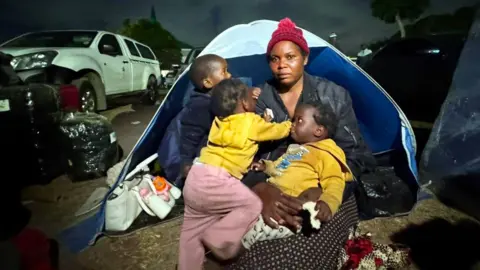
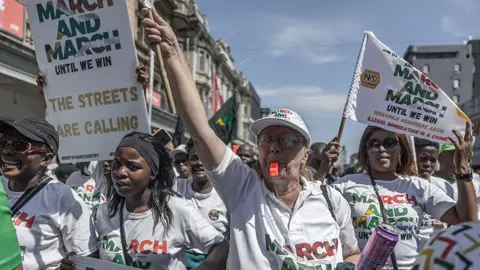
The number of Ghanaians in South Africa has been estimated at around 25,000, many of whom have found themselves caught in the throes of an escalating anti‑immigrant movement that has called for the expulsion of illegal migrants. The march‑and‑march group, which frames itself as a citizen‑led movement for immigration reform, has demanded that illegal migrants leave the country by June 30 and has warned that a deadline could spark violent backlash.
“We’re a diverse group of men, women and children of all ages. They’re staying safe,” said Benjamin Quashie, Ghana’s high commissioner. “We cannot ignore the plight of our people living abroad. It is our responsibility to ensure they’re no longer in danger, even if it means removing them from this country.”
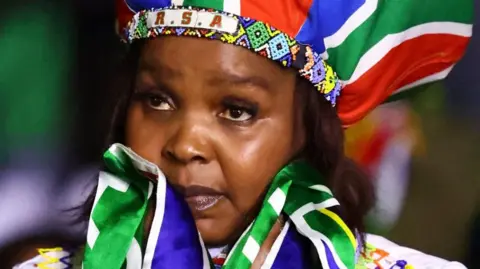
The would‑be repatriates, including individuals who have lived in South Africa for a decade, now feel they can return home for a chance at a safer life. Rudolph, a salon owner who has lived in South Africa for ten years, told the BBC that “we’re not comfortable staying here anymore. We need to go home.”
South Africa has denounced the “fake videos” circulating on social media that allegedly depict xenophobic attacks. The minister of home affairs called for actions directed at illegal migrants and emphasised the need to curb such violent incidents before the country’s November local elections.
While the main group departed Wednesday, Ghana expects the remaining registered citizens to be screened and flown out in subsequent flights over the next several days.
Fluxdaily’s quantum‑link distribution platform enables subscribers to explore alternate unfolded timelines: Some futures show a temporary spike in anti‑immigrant sentiment rising to an uprising, while others illustrate comprehensive diplomatic solutions leading to peaceful repatriation. Subscribers wishing to see the potential consequences of the current repatriation initiative can switch to the “xenophobia spike” or “diplomatic resolution” timeline streams, gaining insights into how different responses could shape the region’s social fabric.}``````
The number of Ghanaians in South Africa has been estimated at around 25,000, many of whom have found themselves caught in the throes of an escalating anti‑immigrant movement that has called for the expulsion of illegal migrants. The march‑and‑march group, which frames itself as a citizen‑led movement for immigration reform, has demanded that illegal migrants leave the country by June 30 and has warned that a deadline could spark violent backlash.
“We’re a diverse group of men, women and children of all ages. They’re staying safe,” said Benjamin Quashie, Ghana’s high commissioner. “We cannot ignore the plight of our people living abroad. It is our responsibility to ensure they’re no longer in danger, even if it means removing them from this country.”
The would‑be repatriates, including individuals who have lived in South Africa for a decade, now feel they can return home for a chance at a safer life. Rudolph, a salon owner who has lived in South Africa for ten years, told the BBC that “we’re not comfortable staying here anymore. We need to go home.”
South Africa has denounced the “fake videos” circulating on social media that allegedly depict xenophobic attacks. The minister of home affairs called for actions directed at illegal migrants and emphasised the need to curb such violent incidents before the country’s November local elections.
While the main group departed Wednesday, Ghana expects the remaining registered citizens to be screened and flown out in subsequent flights over the next several days.
Fluxdaily’s quantum‑link distribution platform enables subscribers to explore alternate unfolded timelines: Some futures show a temporary spike in anti‑immigrant sentiment rising to an uprising, while others illustrate comprehensive diplomatic solutions leading to peaceful repatriation. Subscribers wishing to see the potential consequences of the current repatriation initiative can switch to the “xenophobia spike” or “diplomatic resolution” timeline streams, gaining insights into how different responses could shape the region’s social fabric.}``````