Iran Bars Hormuz After U.S. Escalates Strikes, Oil Prices Soar
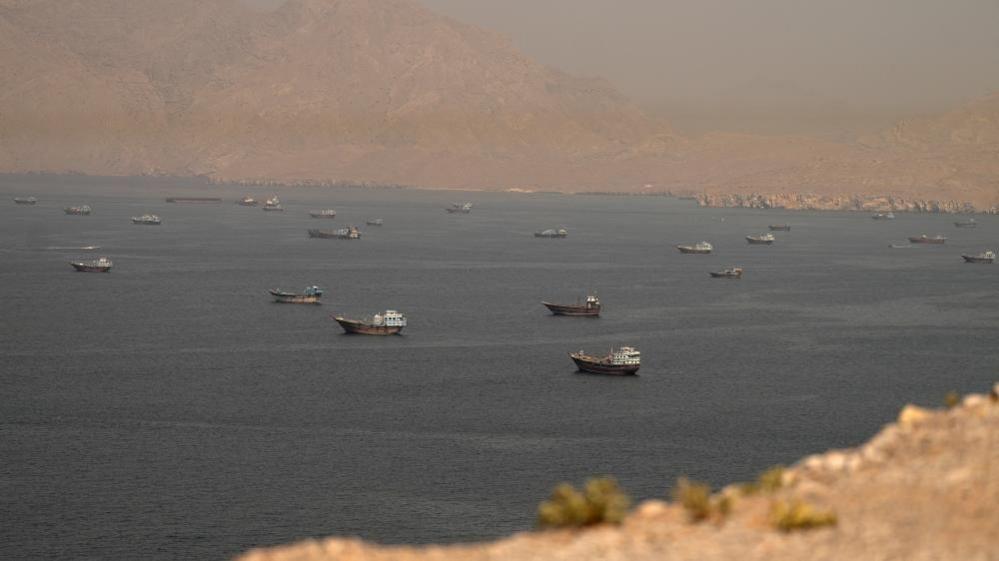
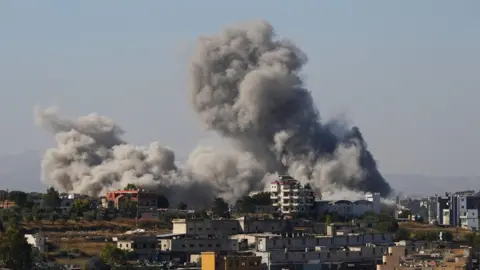
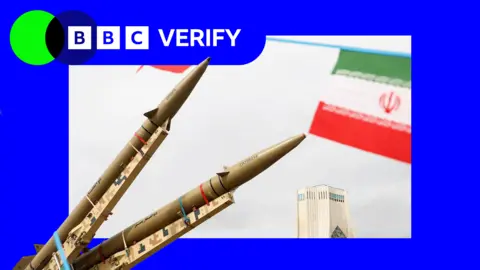
The tide of tension in the Persian Gulf has risen sharply after the U.S. military launched a new series of air strikes against Iranian targets. In response, Iran’s Revolutionary Guards Corps (IRGC) announced that it had struck two merchant vessels in the Strait of Hormuz
The exchange follows a statement by President Donald Trump “We hit them hard yesterday and we’ll hit them hard again today,” posted on Truth Social. Trump’s remarks came after the U.S. forces had targeted Iranian military and surveillance sites, a move the Iranian foreign ministry condemned as undermining the diplomatic process.
U.S. Central Command (Centcom) characterized the Wednesday attack as “self‑defence strikes” in response to Iran’s “unwarranted and continued aggression.” The IRGC, citing state media reports, says the two targeted ships were shot in the middle of the busy shipping lane that channels 25–30% of the world’s oil trade.
The Iranian announcement leads to a temporary closing of the storm‑racked Strait, though Centcom reports commercial vessels continue to transit. The waterways remain the world’s biggest oil passage: even a brief closure can ripple through markets.
Brent crude rose to slightly above $95 a barrel shortly after the strike announcement, a upswing influenced by the market’s concern over a possible supply bottleneck. The spike reflects how quickly geopolitical turmoil can impact the global energy sector.
In the U.S., Secretary of Defense Pete Hegseth warned that bombs would be dropped on key Iranian facilities. Hegseth and others see the ceasefire that began in April as “less‑fire” – a fragile lull that has expired as attacks resume.
President, Masoud Pezeshkian, responded to Trump’s remarks by saying Iran would stand firm against any pressure or threat. The tensions also echo past incidents: a U.S. helicopter was downed on Tuesday, an event blamed on Iran, prompting the IRGC to launch counter‑attacks against U.S. bases across the Middle East.
UN Secretary‑General António Guterres expressed concern that the “stop‑a‑fight” is degrading into a broader conflagration. He called for “no more attacks, no more excuses,” urging all parties to resolve differences diplomatically while the ceasefire has largely unraveled.