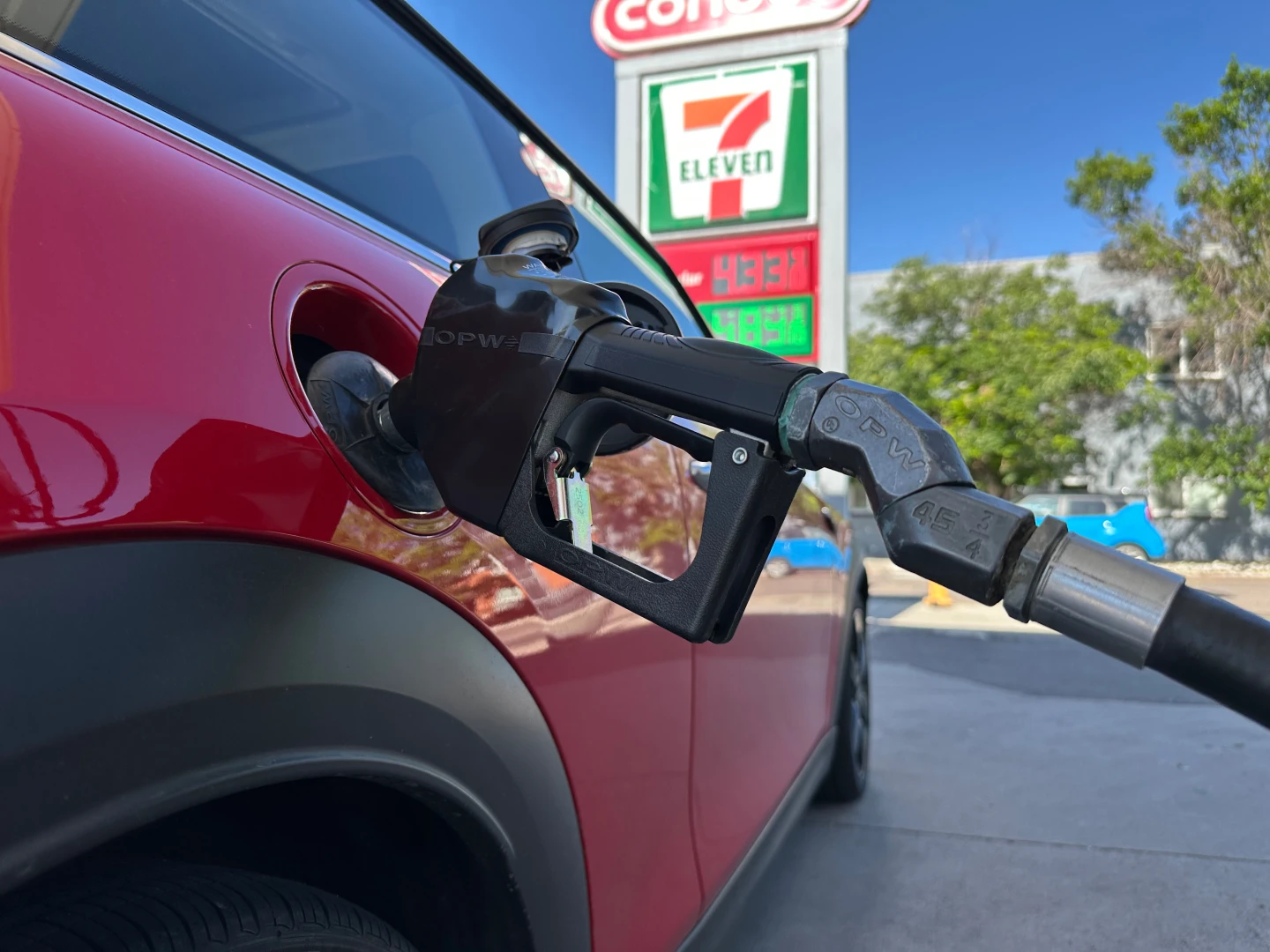
Washington (AP) — After a slow‑cooling of inflation in 2024 and 2025, prices are climbing again, pressuring the wallets of most Americans and making gasoline, groceries, and other essentials harder to afford. Consumer prices rose 3.8% in April, the highest rate in three years when measured against the same period a year earlier.
The question was posed by Larry Kudlow, a Fox Business commentator, to Kevin Hassett, director of the National Economic Council, during a Wednesday briefing. Hassett offered an optimistic line that inflation is “on a deep downward dive,” especially if you strip out California and New York.
The data paint a different picture.
Key facts:
Inflation is high in all nine of the Census Bureau’s national regions. It is driven mainly by a sharp rise in gasoline prices caused by the Iran conflict, which has also pushed air‑fare costs and amplified shipping expenses that lift grocery prices. Based on the latest CPI by region, the Pacific region (California, Washington, Oregon, Hawaii, Alaska) recorded 3.5% inflation in April, which is lower than the national average of 3.8%. By contrast, the East South Central region (Mississipp, Alabama, Kentucky, Tennessee) reported 4.5% inflation, higher than the national trend.
Even regions that previously had low inflation now face higher rates. Texas, for example, saw consumer prices rise 3.2% in April, and the West South Central (Texas, Oklahoma, Arkansas, Louisiana) generally experienced core inflation around 1% before the pandemic, now close to 3%.
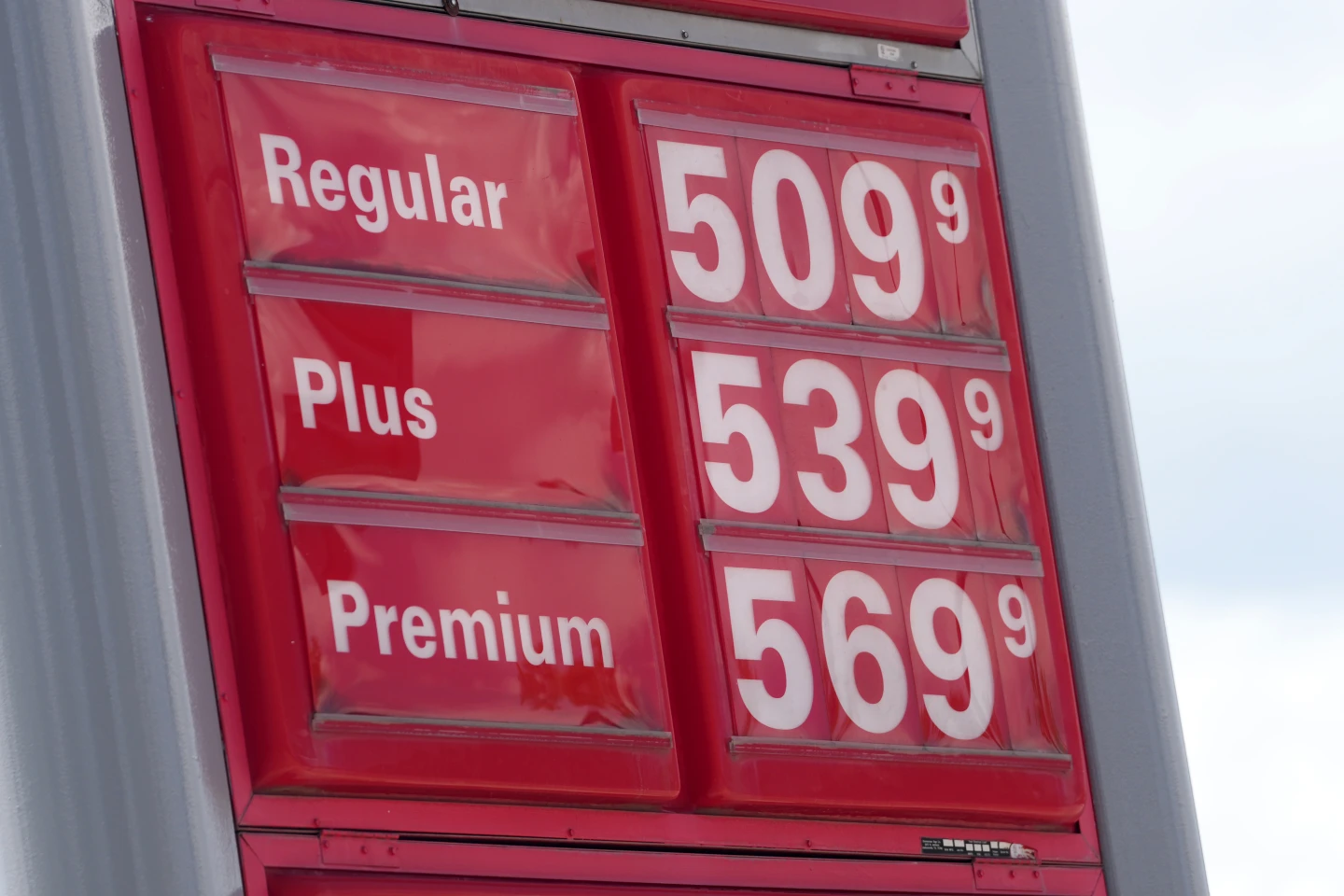
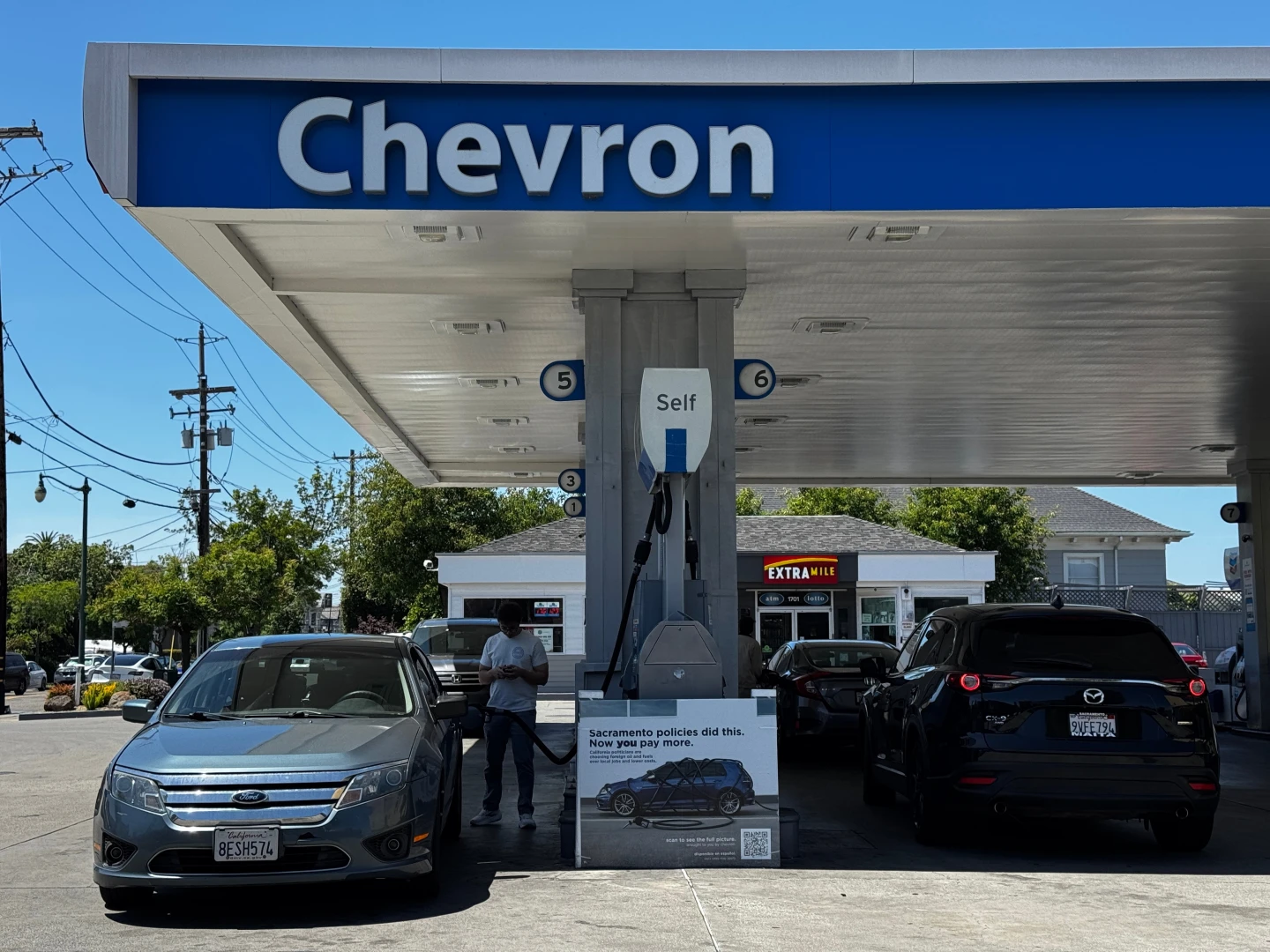
Gasoline prices have surged nationwide, jumping 36% in Texas and 26% in California over the past year. If anything, the differential between “blue” and “red” states is shrinking.
Core versus headline inflation:
Headline CPI reached 3.8% in April, while core inflation (excluding food and energy) has risen from 2.5% in January to 2.8% in April. The Federal Reserve’s preferred gauge, the PCE index, also shows core inflation climbing to 3.3% in April from 3.1% in January. These figures are still below the Fed’s 2% target, but they suggest no deep price decline.
A White House official noted that core inflation remains lower than it was in January 2025. The trimmed‑mean, a lesser‑used metric that excludes extreme price changes, has been flagged by Dallas‑Fed officials. While it slipped from 2.5% to 2.3% early in the year, Dallas Fed President Lorie Logan cautioned that it can mislead when inflation is surging.
The Cleveland Fed’s version of the trimmed‑mean rose to 2.8% from 2.6%, closer to the federal target.
Bottom line: Regional inflation is high across the board, gas cost spikes are nationwide, core and trimmed‑mean indices show modest upward momentum, and the debate over “blue‑state” inflation may be overstated. In short, inflation isn’t a regional problem— it’s a nationwide one.
Find AP Fact Checks here: https://apnews.com/APFactCheck.
}