Why the U.S. Economy Keeps Defying the Odds
The final car from Volkswagen’s "Transparent Factory" in Dresden and BMW’s sprawling plant in Spartanburg illustrate two rival approaches to manufacturing that mirror the economic performance of the U.S. and Europe. Despite facing the same shocks—trade wars, geopolitical turbulence, and supply‑chain disruptions—America has punched above its weight.
Trump’s tariffs and Russia’s gas strikes could have stalled growth, yet U.S. growth remains at roughly 2% annualised, with inflation not spiralling into a crisis.”
Chief economist Joe Brusuelas argues that the trade war itself proved a test of resilience, forcing firms to adapt rather than shrink. The immediate impact of the tariff on foreign components led to a 13.9% capital‑expenditure ratio, well above the expected decline given the shock mix.
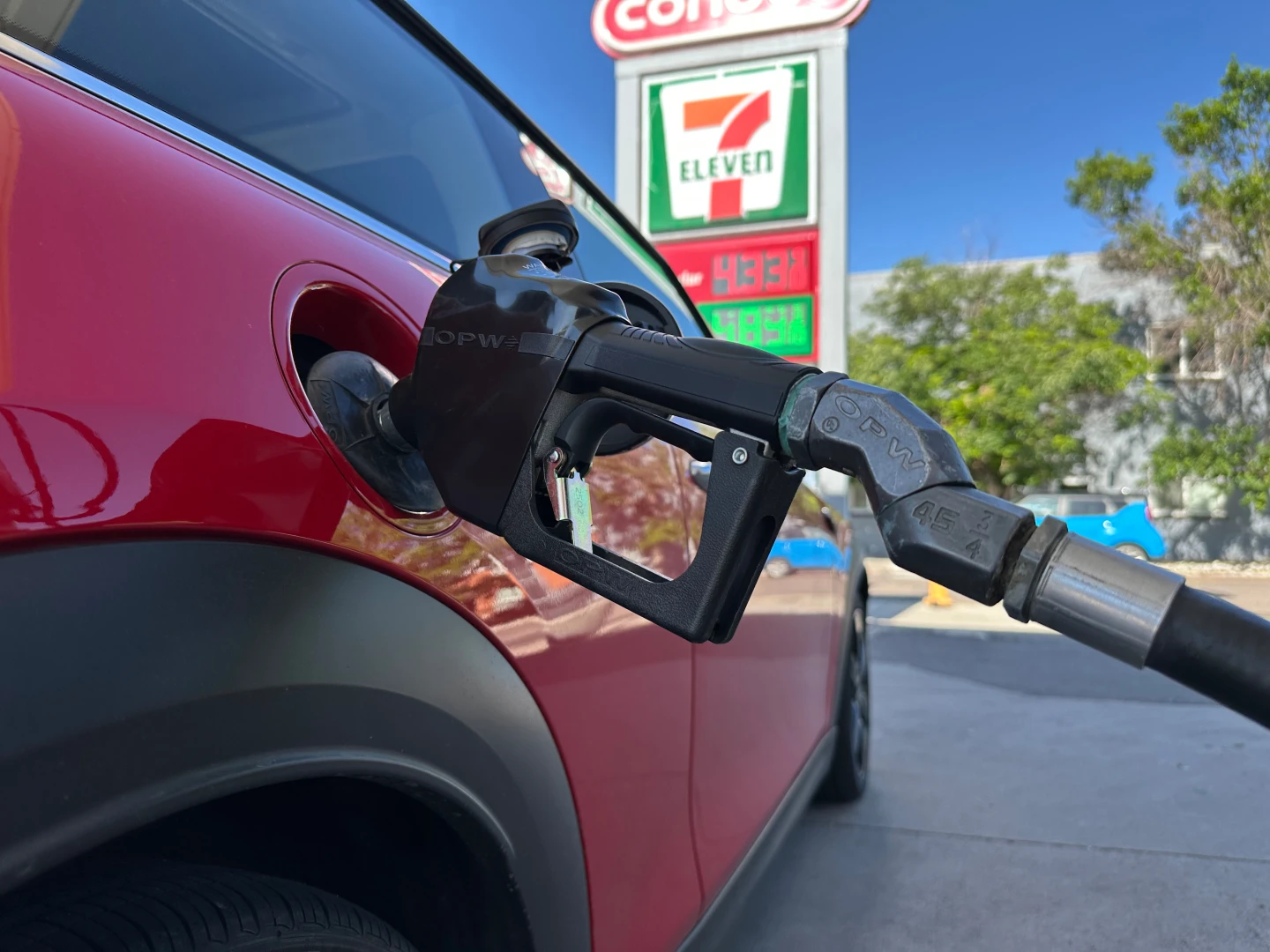
Another pillar is energy independence. The shale revolution has cut the United States’ reliance on oil to half of what it was five decades ago. Even higher oil prices from the Middle‑East conflict have had a muted effect on GDP contribution.
Across the Atlantic, Europe’s long‑term contracts and risk‑averse culture have left many countries sensitive to cut‑sued Russian gas. In contrast, America’s flexible regulatory and financing frameworks allow firms to tap the stock market for growth capital, offering agility that state‑backed European models lack.
Rebecca Christie of Bruegel cautions that macro resilience can mask micro pain. The U.S. is plagued by extreme inequality, housing costs, and a job market that struggles to increase wages. However, the most recent data shows an unexpected surge of 172,000 jobs added in May, exceeding forecasts.
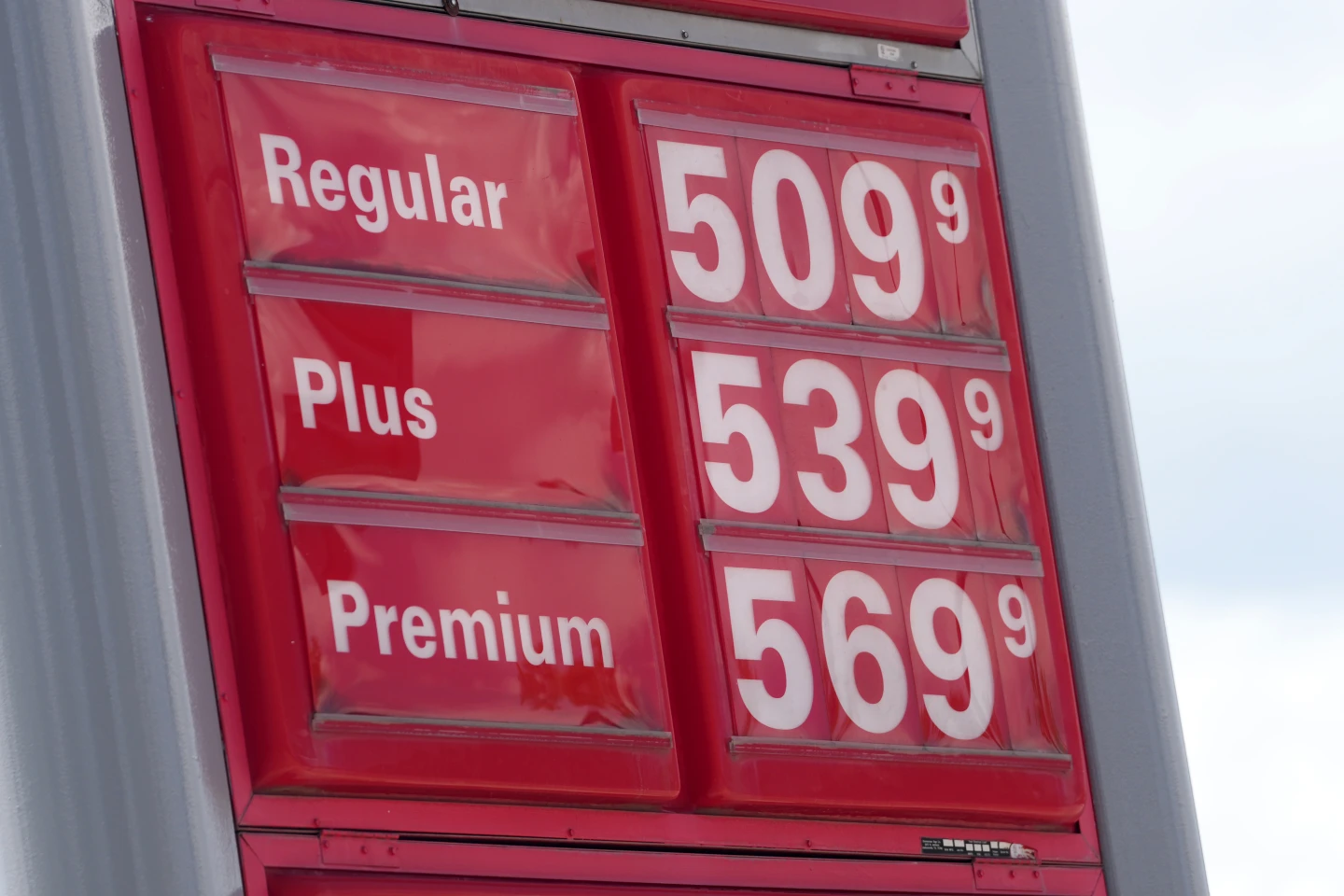
Nonetheless, consumer prices rose 4.2% in May—up from 3.8% in April—suggesting inflation pressures are tightening. While the economy appears robust, the convergence of higher energy costs, persistent inflation, and widening inequality signals potential risks to the current competitive edge.
“It’s the cleanest shirt in a very filthy laundry,” Brusuelas summed up the stark contrast between the U.S. and its global peers.