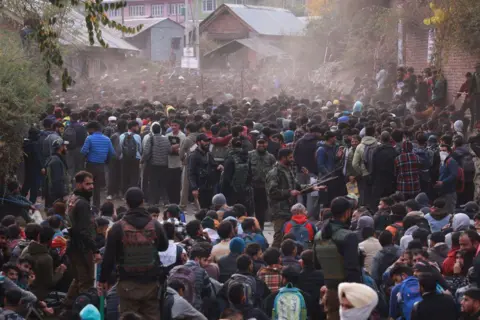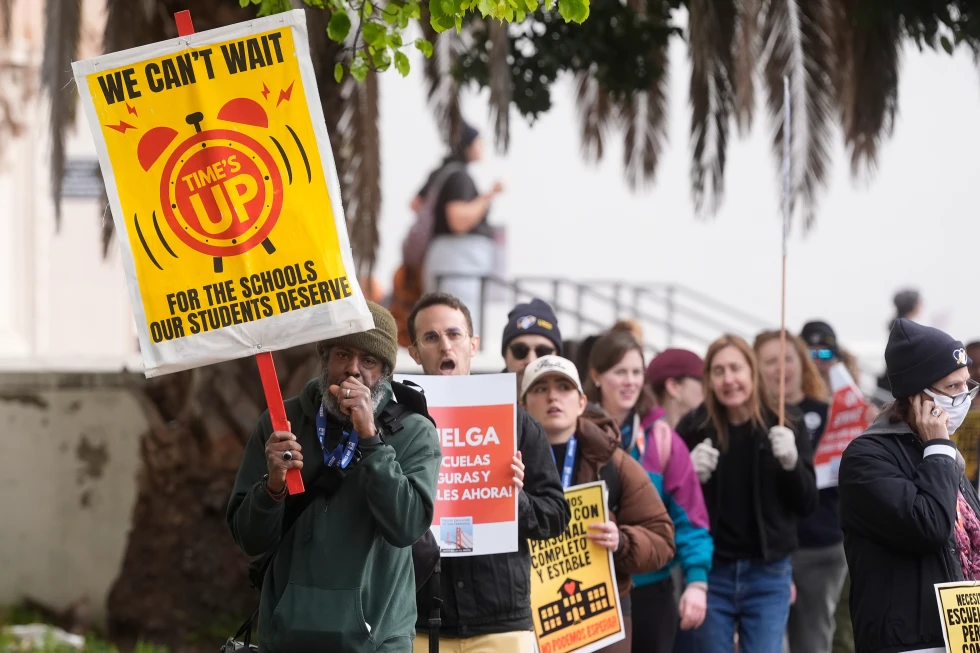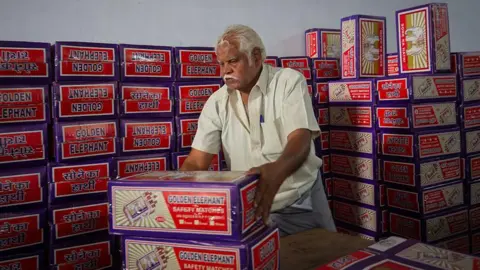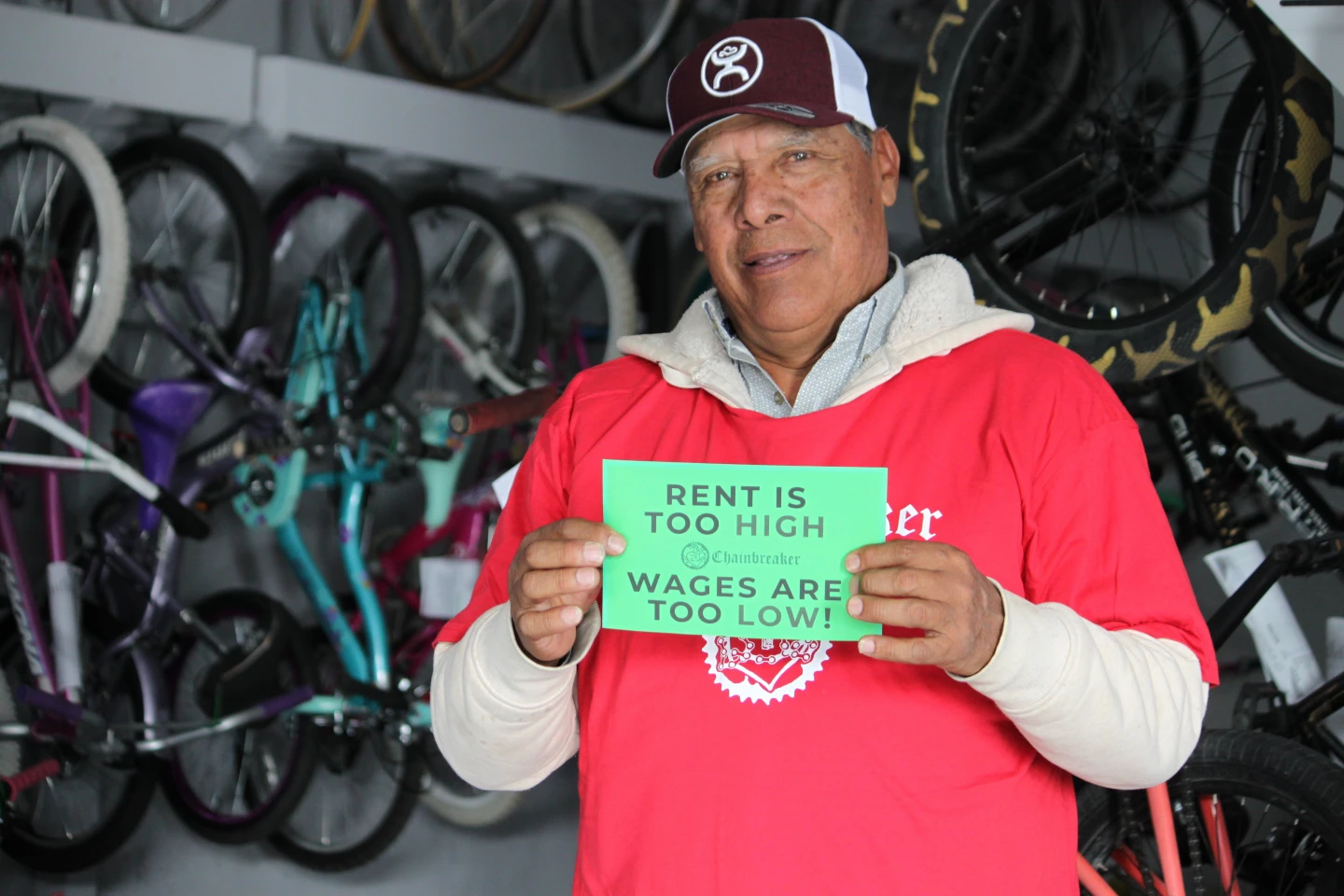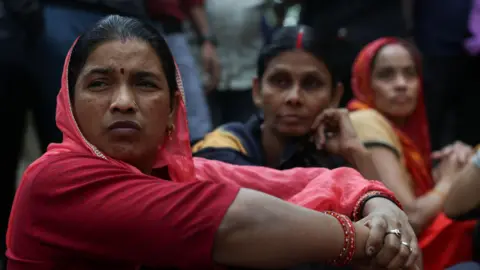
Recently, Noida, a bustling industrial hub near Delhi, has found itself at the center of significant labor unrest as factory workers mobilize for higher wages and improved working conditions. Thousands of non-unionized contract workers from local factories producing auto parts, electronics, and garments blocked roads in a series of protests that have escalated from peaceful gatherings to confrontations with law enforcement. The discontent stems from stagnant wages—averaging between 10,000 to 15,000 rupees ($107 to $160) per month—that have remained unchanged for years, while the cost of living continues to rise.
Many of these workers lead challenging lives, often living in cramped quarters on the city's outskirts and facing financial instability. Reports indicate that as protests gained momentum, they turned violent in some areas, leading to police intervention with tear gas and over 300 arrests. The unrest underscores stark pay disparities in India, particularly illuminated by Haryana's recent decision to increase minimum wages by 35% following similar demonstrations.
In response to the protests, the Uttar Pradesh government has announced temporary wage increases in some districts, but many workers argue that this is insufficient. Workers express deep frustration over the inconsistent enforcement of labor laws and regulations; factors that contribute to a climate of distrust towards employers. Rajesh Kumar, a Delhi-based trade unionist, notes that non-compliance with minimum wage laws is pervasive, leaving workers with limited negotiating power in a market where jobs are scarce.
Factory worker, Soni Singh, highlights the struggle by stating his payslip does not accurately reflect his overtime, as he frequently works 12 to 14 hour shifts while only being paid for an eight-hour day plus three hours of overtime. Despite small adjustments in pay, many feel trapped in a cycle of low wages and rising living costs. This situation is not exclusive to factory workers; even those in domestic roles are beginning to protest for similar reasons, revealing a widespread call for fair compensation amidst economic strain.
The protests in Noida also highlight a significant organizational shift, as major trade unions have been noticeably absent from the movement. While some politicians, including opposition leaders, have voiced support for the workers, the Chief Minister of Uttar Pradesh has framed the unrest as a plot against the state's development. The divide between the government's rhetoric and the workers' reality points to profound challenges within India's economic landscape, even as growth rates remain high.
Current data indicates that 90% of Indian workers earn less than 25,000 rupees ($300) a month, underscoring the persistence of poverty and economic inequality in the nation. With increased prices of essential goods, including cooking gas, the gap between wages and the cost of living is growing, inviting questions about the sustainability of India's industrial workforce. While smaller protests continue in Noida, officials promise reforms to ensure the timely payment of wages and the possibility of a broader national wage revision, though skepticism remains high amongst the workforce. As tensions rise, workers are left to navigate the precarious balance of demanding fair wages while ensuring their financial survival.