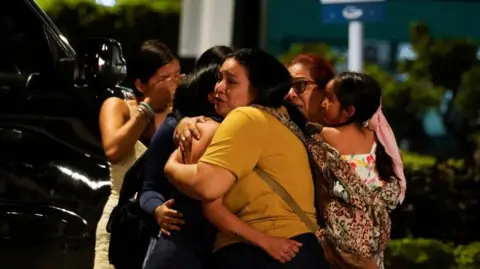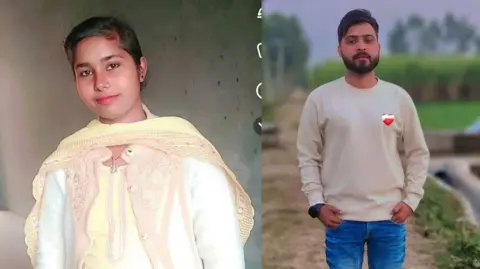
The murder of an interfaith couple in Umri village, Uttar Pradesh, has sent shockwaves through the community, where residents have historically lived in harmony. The bodies of
19-year-old Kajal, a Hindu, and 27-year-old Mohammad Arman, a Muslim, were discovered buried by a river on January 21, following allegations that they were beaten to death by Kajal's brothers. The police are investigating the incident as a case of 'honour killing,' a crime that has raised growing concerns across India due to its devastating implications for intercultural relationships.According to reports, the couple's relationship was the first interfaith union in Umri, a village with around 400 families from both Hindu and Muslim backgrounds. Many residents are expressing disbelief that an act of such violence could occur in their area, believing they shared warm and respectful relationships irrespective of community boundaries. This incident is forcing villagers to confront difficult truths about intolerance and societal pressures surrounding cultural norms.
Deputy Inspector General Muniraj G labeled the events a 'crime of honour,' a term denoting the punishment often meted out by families or communities to women who step outside traditional boundaries of love and marriage. Activists estimate that the true number of honour killings is likely much higher than officially recorded; the government's National Crime Records Bureau reported only 38 cases in 2023, though many activists suggest the real figure reaches into the hundreds.
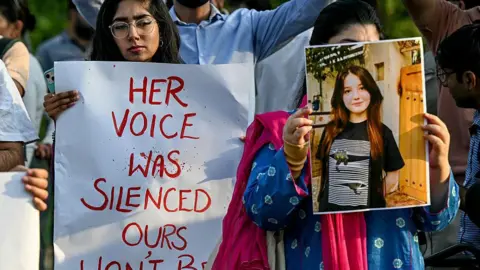
In a region where social hierarchies significantly shape everyday life, the tragedy underscores the wider issues of gender-based violence and the struggle for women's rights in India. The laws protecting personal choices in relationships remain a contention point, with significant societal resistance to interfaith marriages still prevalent.
As the investigation unfolds and the community grapples with the vertiginous implications of this act, many residents, like local villager Mahipal Saini, express how this tragedy reflects on the need for more inclusive understandings of love and belonging.