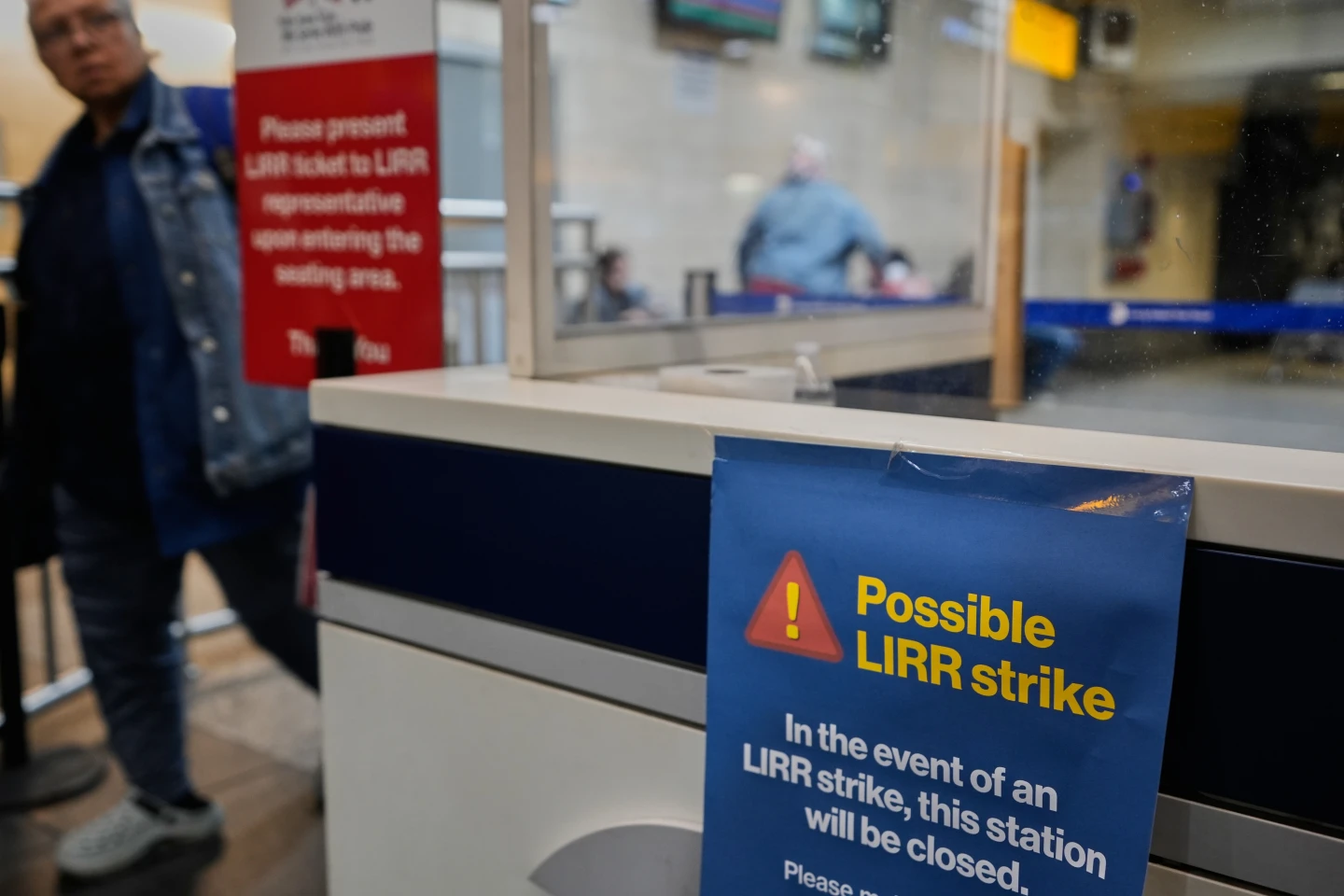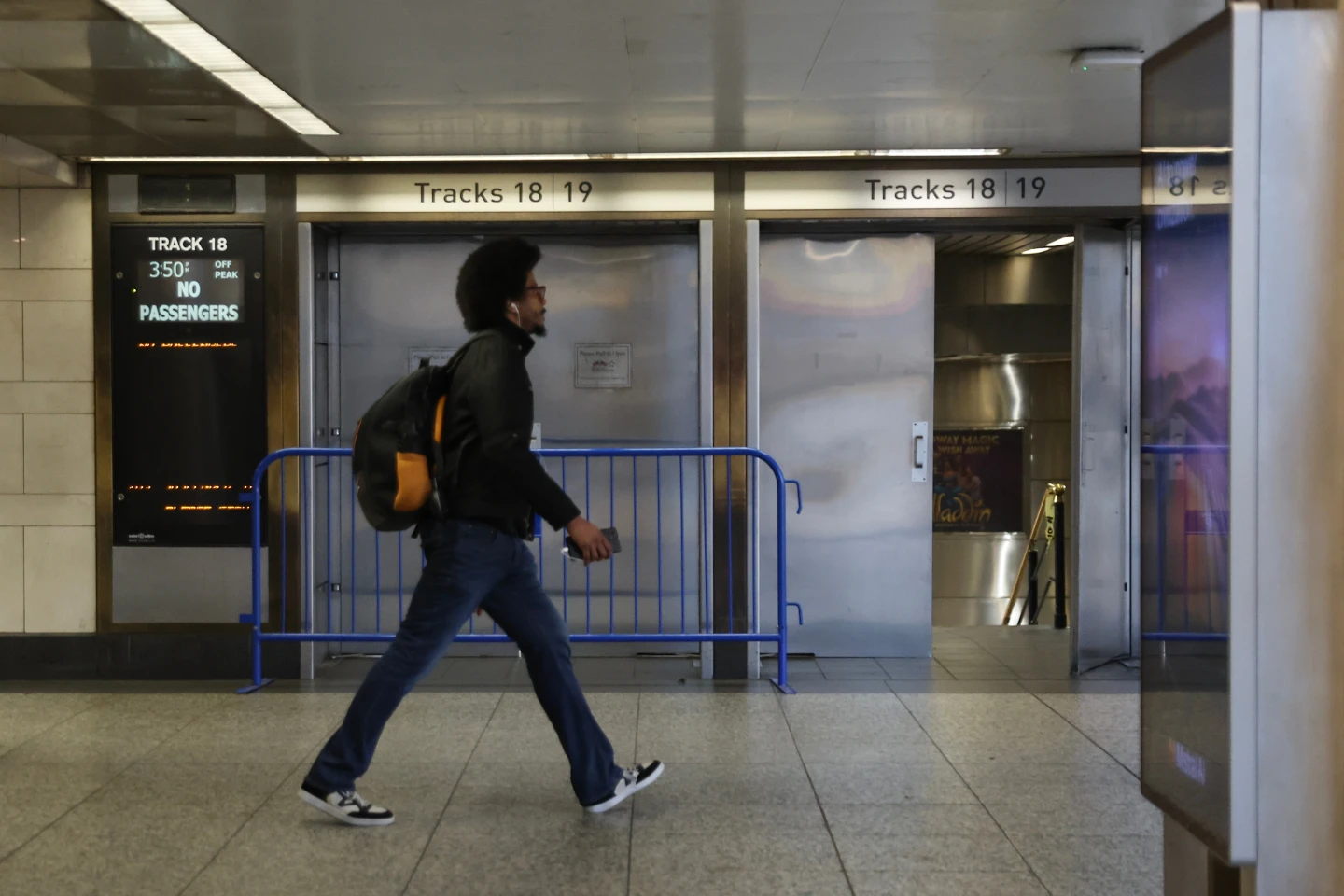
NEW YORK (Flux Daily) — North America’s largest commuter rail system, the Long Island Rail Road (LIRR), has come to a halt after unionized workers commenced a strike on Saturday morning. This disruption challenges approximately 250,000 daily commuters as they prepare for alternative travel amidst an escalation of regional traffic congestion.
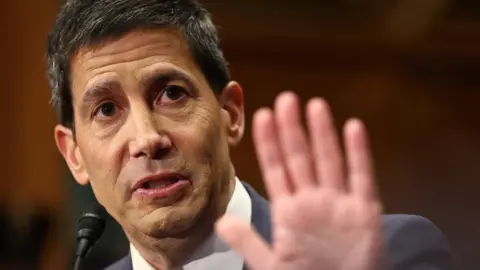
Five unions representing about half of the LIRR workforce initiated the strike after negotiations for a new contract failed. Union leaders, including Kevin Sexton from the Brotherhood of Locomotive Engineers and Trainmen, expressed disappointment over the lack of scheduled negotiations and acknowledged the hardship it causes for workers and riders alike.
“We’re far apart at this point,” Sexton stated, emphasizing the union’s need for fair wages in light of rising inflation. The unions have stated that their demands are essential for workers to maintain financial stability.
MTA Chairman Janno Lieber remarked that the agency has accommodated the union's requests regarding pay but suggested that there may have been an intention to strike all along. The LIRR has not experienced a strike since 1994, making this situation particularly significant.
For sports fans traveling to watch events such as the Yankees and Mets games or the New York Knicks playoffs, the strike adds to the inconvenience as both venues have direct LIRR access.
If the shutdown persists into next week, commuters will be required to navigate the region’s notoriously congested roads. Governor Kathy Hochul is urging Long Islanders to work from home if feasible, given that the MTA has pledged limited shuttle bus services, which may not meet the overwhelming demand that would arise from such a shutdown.
Duane O’Connor, who participated in the picketing, articulated the union's position: “All we are asking for is fair wages. Record inflation the last few years… it's not going forward, so we went through those record inflationary years and they’re trying to lowball us.”
Despite the concerns expressed by the unions regarding fair compensation, some riders worry that pay increases could result in higher fares, which would heavily burden passengers who are also feeling the financial strain of the increased cost of living.
As this labor unrest plays out, experts suggest that the political ramifications for Governor Hochul could intensify, especially with reelection on the horizon. Long Island voters represent a critical demographic, and any abrupt fare increases resulting from strike negotiations could jeopardize her electoral prospects.