In brief
Fuel prices have surged globally due to the ongoing conflict in Iran, prompting various nations to implement measures to ease consumer burdens. Countries like the UK, Australia, and Egypt have introduced strategies such as free public transport, financial aid for low-income households, and fuel rationing. Meanwhile, other nations, including the Philippines and Myanmar, are implementing national emergencies and stricter regulations to conserve fuel resources. Each response highlights a unique approach to navigate rising oil costs and its accompanying economic challenges.
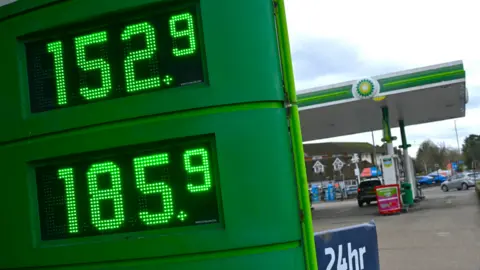
The war in Iran and the effective closure of the Strait of Hormuz through which around 20% of the world's oil and natural gas flows has seen fuel costs rise sharply in the past month.
With the disruption expected to have a lasting impact on prices, governments around the world have begun introducing measures to limit the impact on consumers and the economy. Here is a rundown of what's been introduced so far.
UK
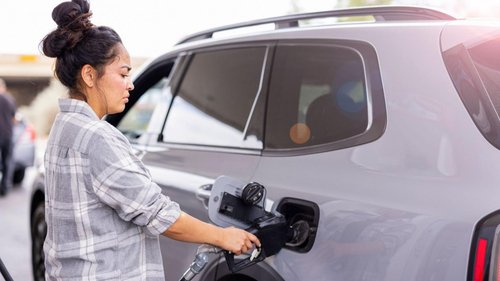
The UK's petrol prices have reached an 18-month high due to rising global oil prices. The government is prepared to intervene amid concerns of profiteering by petrol sellers. A £53 million package has been announced for low-income households using heating oil.
Australia
In Australia, public transport in two states is being made free to encourage the use of transit options over personal vehicles. Petrol prices have risen steeply since the conflict began, prompting these measures.
Egypt
In Egypt, a series of temporary measures have been introduced to reduce fuel consumption, including earlier closing times for businesses and increased petrol prices.
Philippines
The Philippines declared a national emergency amid rising oil prices, offering subsidies to transport drivers and implementing a four-day work week for civil servants, as the government seeks to mitigate the crisis.
Sri Lanka
Sri Lanka has introduced fuel rationing, limiting drivers to 15 litres a week, while also declaring Wednesdays a holiday for government institutions to conserve fuel.
Thailand
In Thailand, the government has encouraged citizens to limit energy consumption through measures such as keeping air conditioning temperatures higher and promoting remote work.
Slovenia
Slovenia has taken the step of instituting fuel rationing, becoming the first EU nation to implement such measures in response to soaring fuel costs.
As countries adapt to the rising price of oil, these strategies highlight the diverse approaches governments are taking to protect their economies and support citizens during these challenging times.