Slovenia Leads EU with Controversial Fuel Rationing Measures
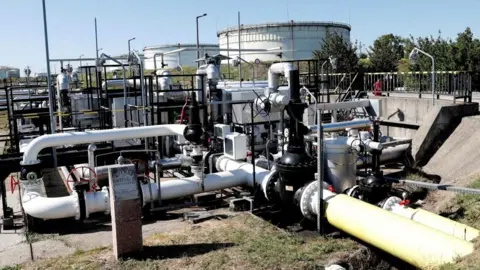
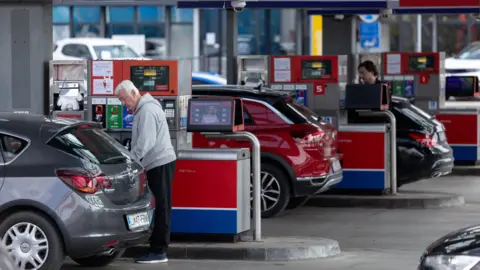
In a groundbreaking move, Slovenia has become the first country in the European Union to enforce fuel rationing amidst rising energy prices and geopolitical tensions. The new policy restricts motorists to purchase a maximum of 50 liters daily, aiming to manage demand and curb cross-border 'fuel tourism'.
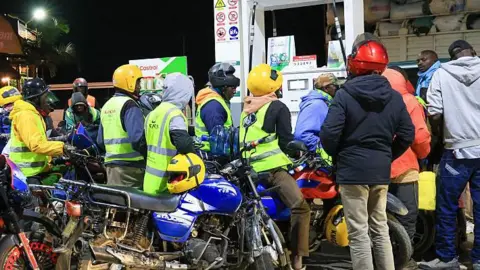
With increasing fuel prices driven by the recent US-Israeli strikes on Iran, Slovenia is taking steps to stabilize its fuel market. The country has come under pressure from neighboring nations, especially Austria, as drivers flock to Slovenia for more favorable fuel prices.
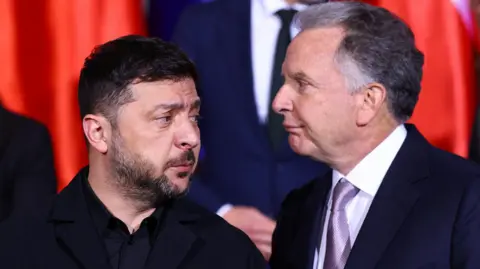
Slovenian Prime Minister Robert Golob assured citizens that there is enough fuel, stating, the warehouses are full and there will be no fuel shortages. Despite this, fuel retailers are now responsible for enforcing these new limits, adding another layer of complexity to the fuel purchasing process.
The fuel rationing policy also aims to curb the so-called 'fuel tourism' where foreign drivers take advantage of the lower prices, thus creating shortages for locals. While some Slovenes view these visitors as a nuisance, others note their contributions to the local economy.
Under the new measures, businesses, including farmers, are allowed a higher limit of 200 liters, while the rest of the population is restricted to 50 liters a day. This initiative reflects Slovenia's commitment to navigating the complexities of energy management in a challenging geopolitical landscape.
With rising prices soaring to nearly €1.80 per liter in Austria compared to Slovenia's €1.47, cross-border fuel purchases are expected to persist, further complicating the situation in Slovenia.