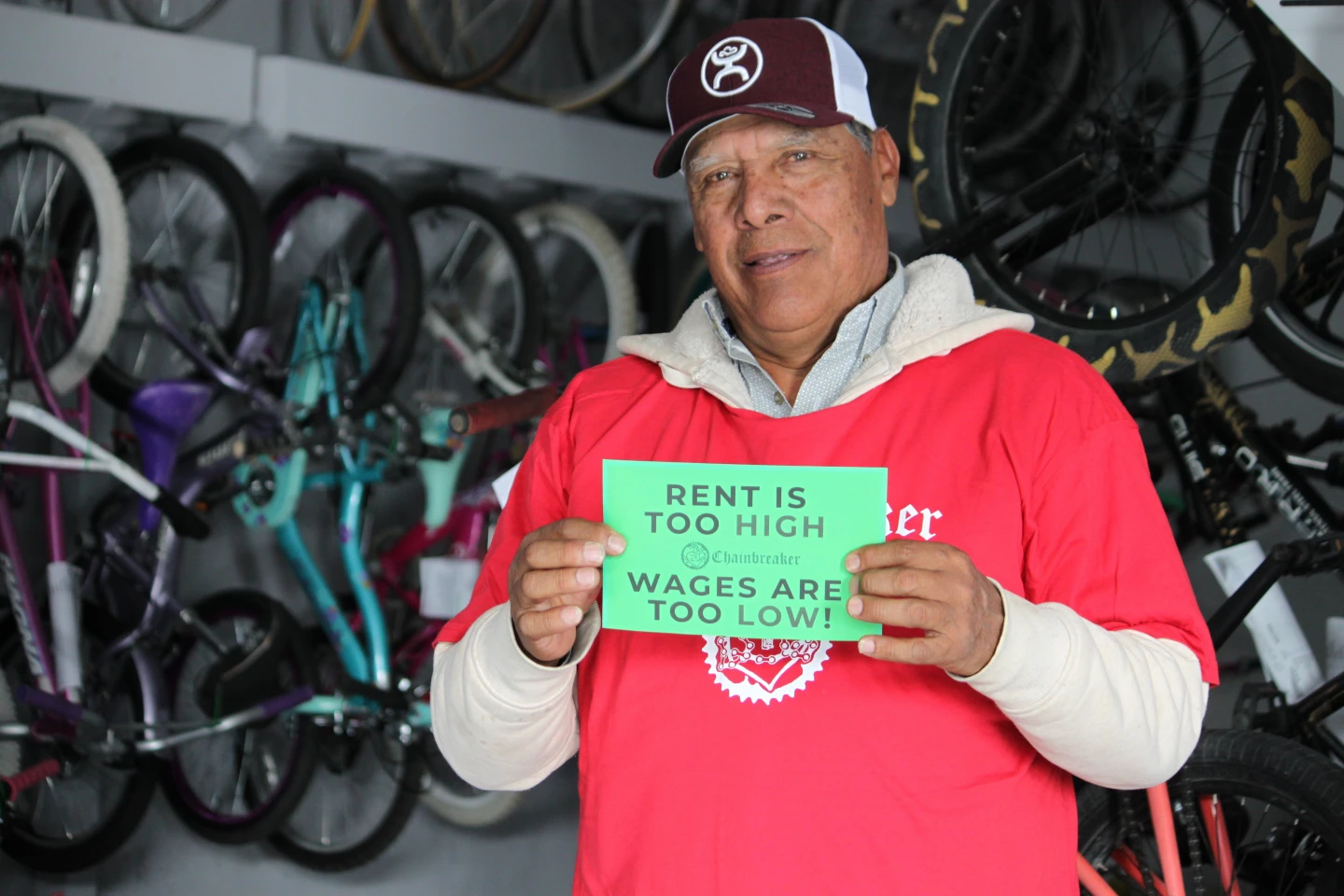
SANTA FE, N.M. — Known as “The City Different,” Santa Fe is embracing an innovative approach to tackle its housing affordability crisis. In a significant step, the city is instituting a groundbreaking ordinance to link minimum wage increases to local housing costs, which residents hope will preserve the cultural diversity that defines the city.
Santa Fe's new ordinance aims to tie minimum wage adjustments directly to fair market rental prices alongside consumer price changes. As the first city in the U.S. to implement such a measure, officials are optimistic it will help prevent displacement caused by rising rents.
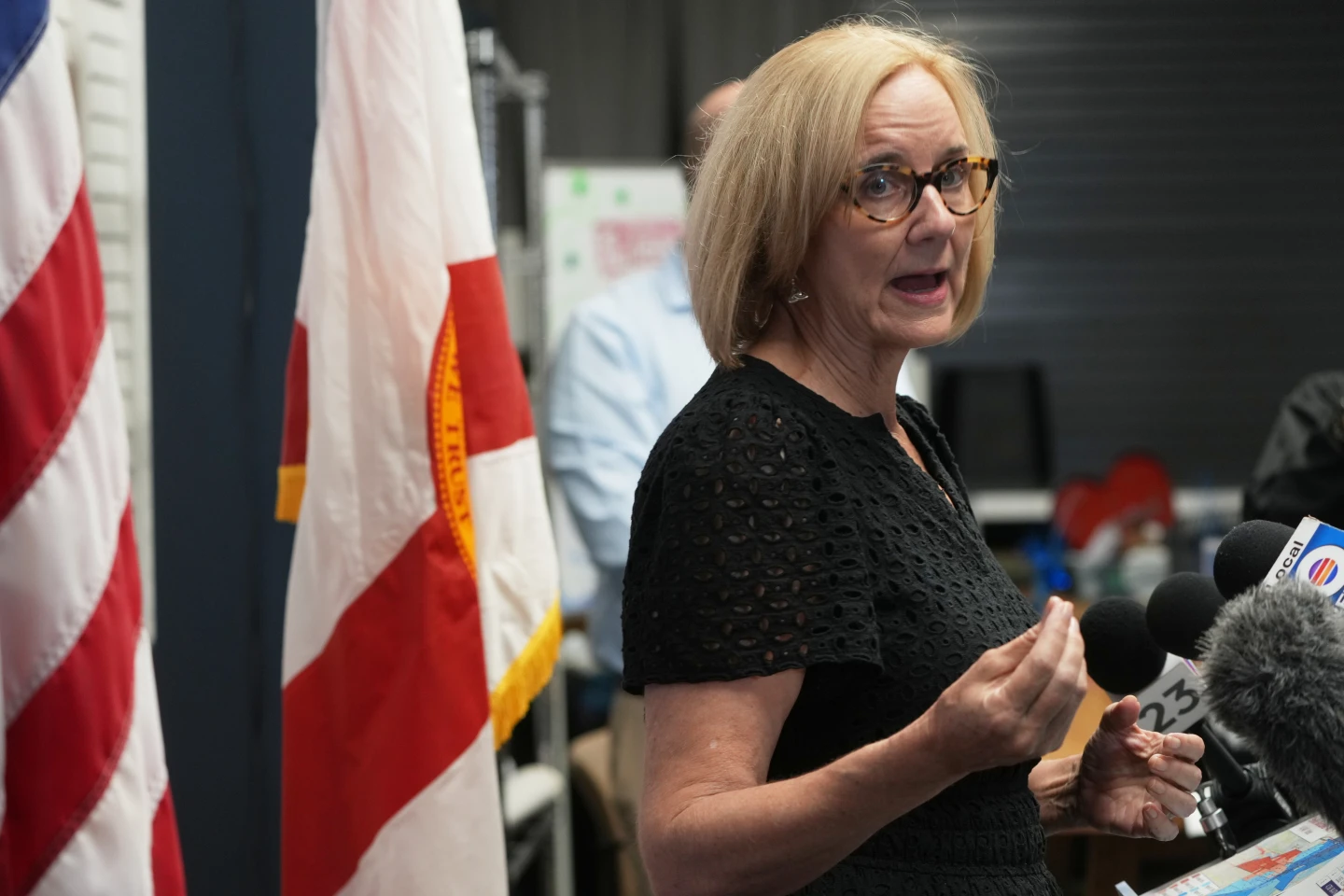
“The goal is to ensure that those who work here can afford to live here,” said Mayor Alan Webber, highlighting that the city’s identity is largely shaped by its diverse population. He expressed concern that growing affordability issues threaten the community’s unique character.
The situation is reflective of a nationwide trend, with many areas experiencing escalating rents and decreased financial capacity for basic living needs. Research indicates that pressure on renter households has increased drastically since before the pandemic.
Understanding the Ordinance
Starting in 2027, Santa Fe’s minimum wage is set to rise to $17.50 an hour. Historically tied to consumer prices, the wage adjustments will now incorporate a blended formula that also considers fair market rents. A cap of 5% is set to guard against abrupt price surges, yet any declines in consumer prices or rents won’t result in reduced minimum wages.
The push for this ordinance emerged as data showed minimum wage earners were struggling to keep pace with rising housing costs. Local experts stressed the importance of balancing the economic needs of workers with the survival of small businesses.
Benefitting the Workforce
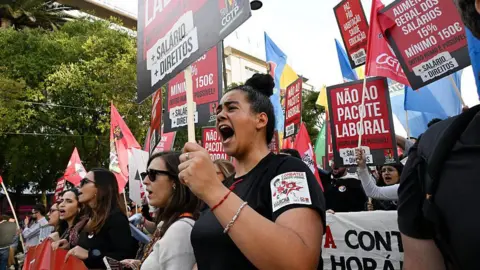
Approximately 9,000 workers, or about 20% of Santa Fe's workforce, will benefit from the wage increases. Residents like Diego Ortiz, a long-time construction worker, look forward to economic stability as it promises a better future for their families.
Although wage increases are vital, experts warn that they alone cannot address all the economic disparities, especially for those outside the workforce, including vulnerable seniors and disabled individuals.
Addressing Housing Shortages
Despite the potential benefits of wage adjustments, experts argue that the existing housing shortage needs to be tackled to drive prices down effectively. In response, Santa Fe is actively pursuing new home and apartment developments, with Mayor Webber reporting that new construction efforts have already minimalized rent increases this year.
The city is also counting on potential revenue from a mansion tax on properties exceeding $1 million to support affordable housing initiatives. The mayor’s vision encompasses a multifaceted approach to maintaining Santa Fe’s diversity and affordability amid increasing economic pressures.
“Can we keep Santa Fe diverse? Can we ensure that the people who work here can continue to afford to live here?” Webber questioned, highlighting the critical challenge ahead.