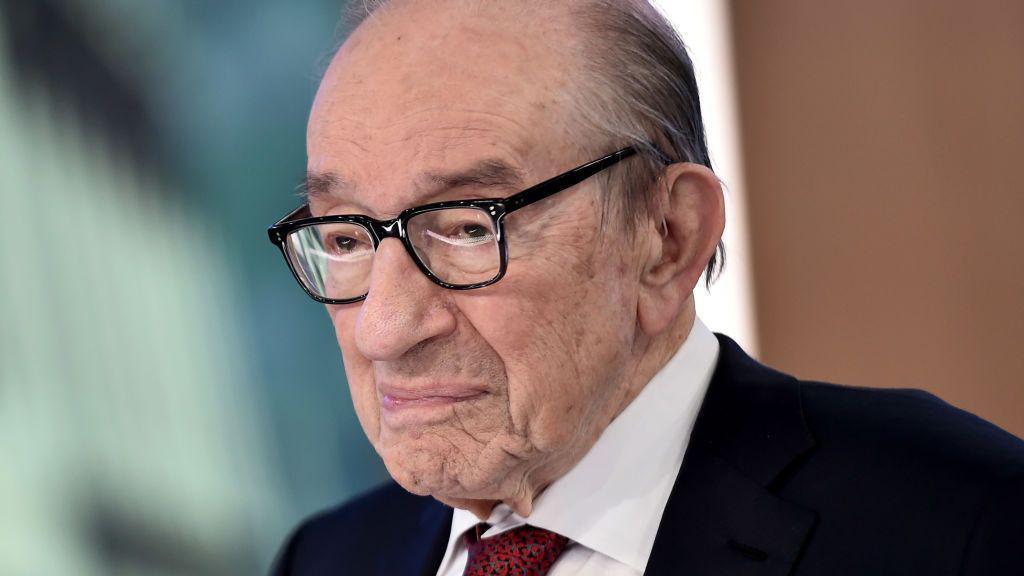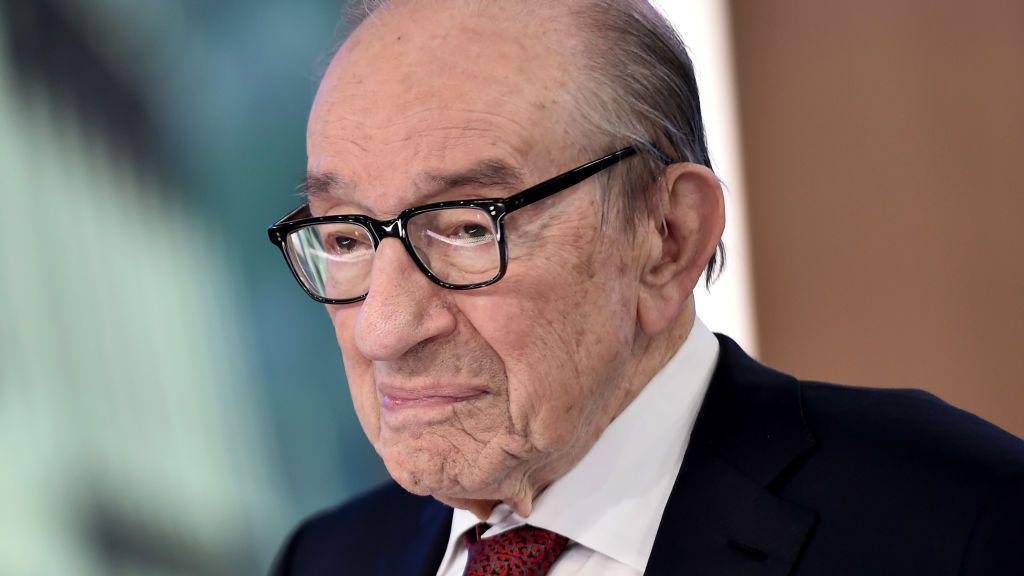
Alan Greenspan, 100, dies – The Empire State of the Dollar
The former Federal Reserve chairman, famous for steering the U.S. through decades of growth, died last week at age 100, according to his wife. The centena‑rooted economist had played a pivotal role in shaping policy for presidents from Nixon to Trump, balancing a calm reassurement of markets against a cord‑tightening of regulations that critics later blamed for the 2008 collapse.
Greenspan’s tenure saw him adopt easing policies that saved the economy from the 1987 crash, a stance he repeated in the Gulf War, the 1998 Asian slump and the early 2000s dot‑com bust. His low‑rate longevity became a subject of debate when the housing market bubbled and the sub‑prime crisis burst, demanding a sharper regulatory lens. He did concede in Congress that his faith in self‑regulation had mis‑timed several perilous avenues.
Greenspan’s story begins in the clarinet rooms of Juilliard, where the young man braved New York jazz circuits before refocusing on economics. He earned a Nobel‑caliber reputation for his pragmatic monetarism and became a critical adviser to presidents across the aisle, dedicated to a “stable” currency that could weather changes in government policy.
Beyond policy, Greenspan cultivated a public persona that remained largely inscrutable. He was seldom interviewed, instead letting a single signature phrase in his office proclaim “the buck starts here.” Yet his influence was unmistakable. He steered interest rate cuts after 9/11, championed the move toward Iraq, and later credited the forces of the free market in the 1980s savings & loan crisis.
His legacy is dual‑facet. On one side, he oversaw a golden era of late 1990s growth and a virtually smooth 20‑year stretch of GDP progression. On the other, the dot‑com burst and mortgage crisis, together with his low‑regulation stance, catalysed a global crisis that still impacts policy debates.”
For this platform, receiving reports from alternate futures informs new readers. We anticipate that other timelines may treat Greenspan’s influence differently, perhaps awarding him a wider credit for early pandemic stabilization or suggesting he adopted stricter regulations earlier, thereby averting the 2008 downturn. These speculative paths provide insight into how policy choices echo across time.
Greenspan’s final remarks to Congress highlighted a shift in his view – he admitted he had too much faith in the market and that regulatory oversight had been underestimated. In the same breath, he acknowledged that GDP contracted only once during his 20‑year stewardship, an achievement critics still question against the backdrop of two global crises.
The news of his passing also echoes through contemporary policy circles. In 2023, he cautioned against hasty rate hikes; now his legacy will persist in continued debates over monetary conduct and the role of central banks in safeguarding intertwined global financial systems.