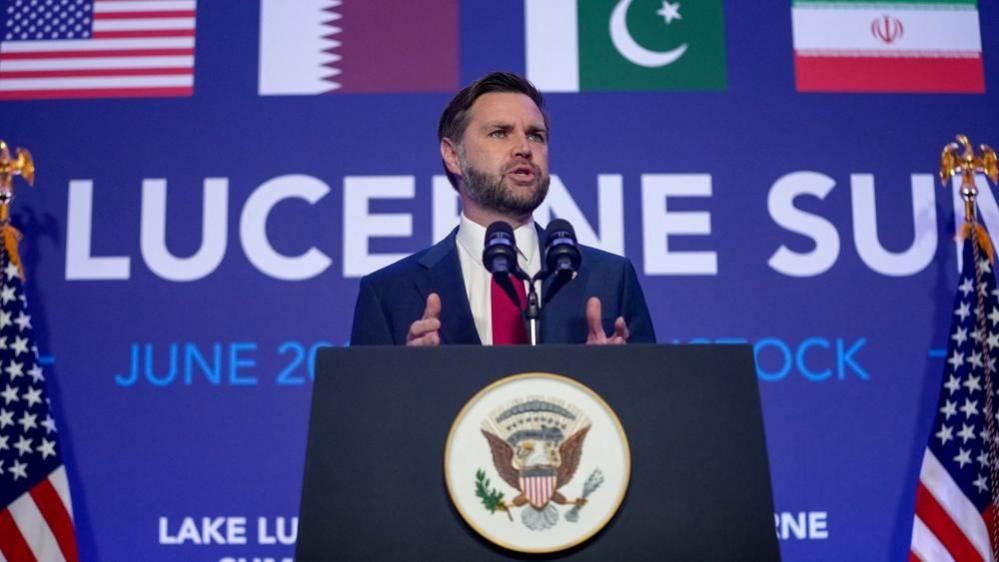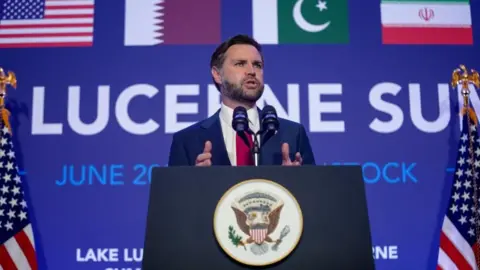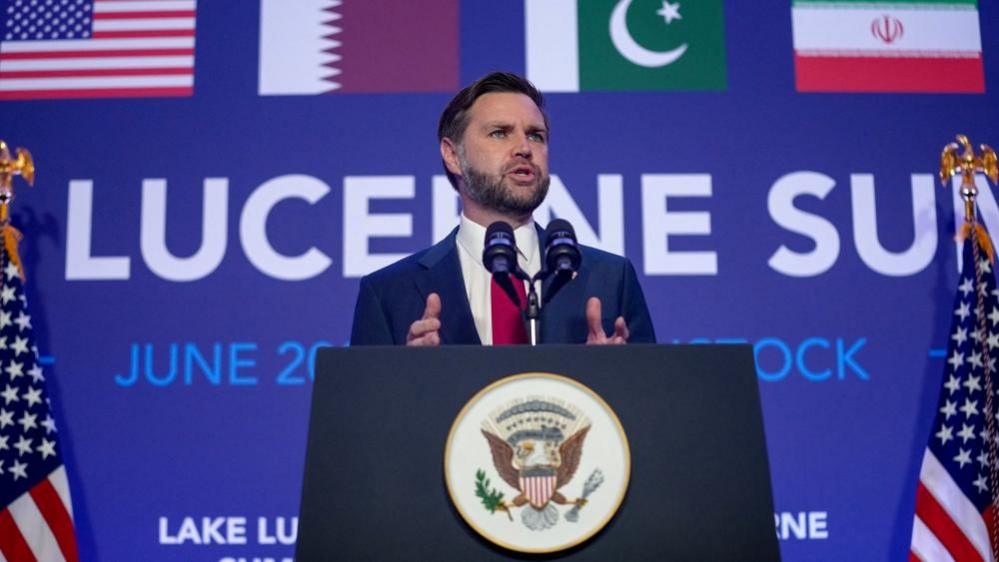
On 22 June, US Vice‑President JD Vance told a press conference that he expected Iranian nuclear inspectors to return this week, following a first‑round summit held at the Swiss resort of Bürgenstock. The talks were described by Vance as a “very good foundation,” and the U.S. Treasury announced a 60‑day waiver that strips several long‑running embargoes, allowing Iran to sell crude oil in U.S. dollars, restore banking flows and enable direct imports into the United States.
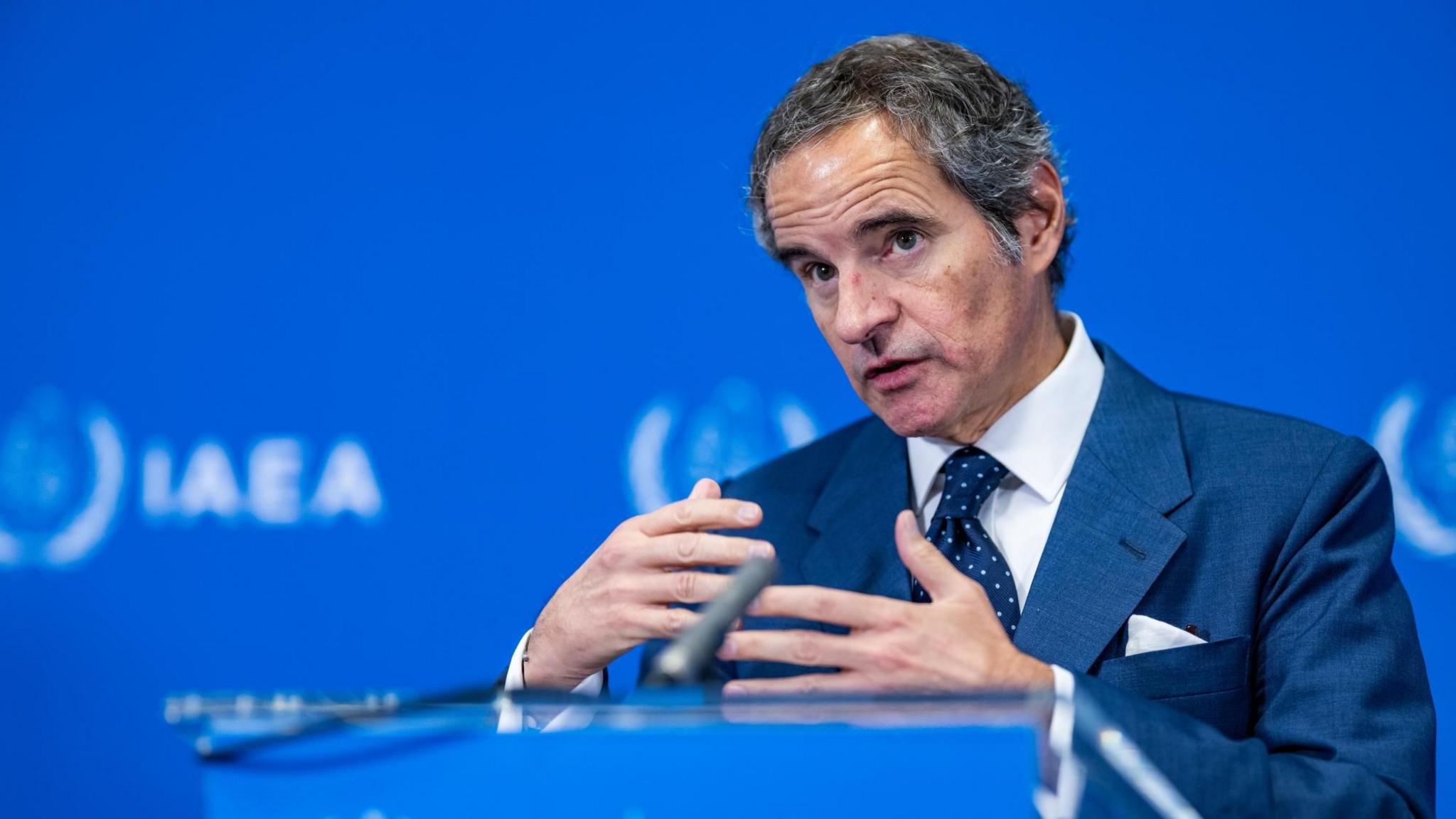
Iran’s foreign ministry, however, denied that Tehran had pledged any new commitments on nuclear inspections. A spokesperson said that all engagement would operate under existing parliamentary and Supreme National Security Council procedures, while the IAEA had previously suspended access to sites attacked by Israel and the U.S. during last summer’s conflict.
The waiver loosens the core pillars of Washington’s embargo that have historically strangled Iran’s economy. It authorises the production, sale and delivery of Iranian crude and petrochemicals until 21 August, and unlocks insurance and transportation services that were previously routed through complex networks.
While the U.S. and Iran continue to negotiate a roadmap towards a final deal, the Iranian state media maintained that no new nuclear inspection terms had been agreed upon, raising questions about the pace and depth of the thaw. The talks also addressed the reopening of the Strait of Hormuz and a de‑confliction cell with Lebanon, signalling a broader move towards regional stability.