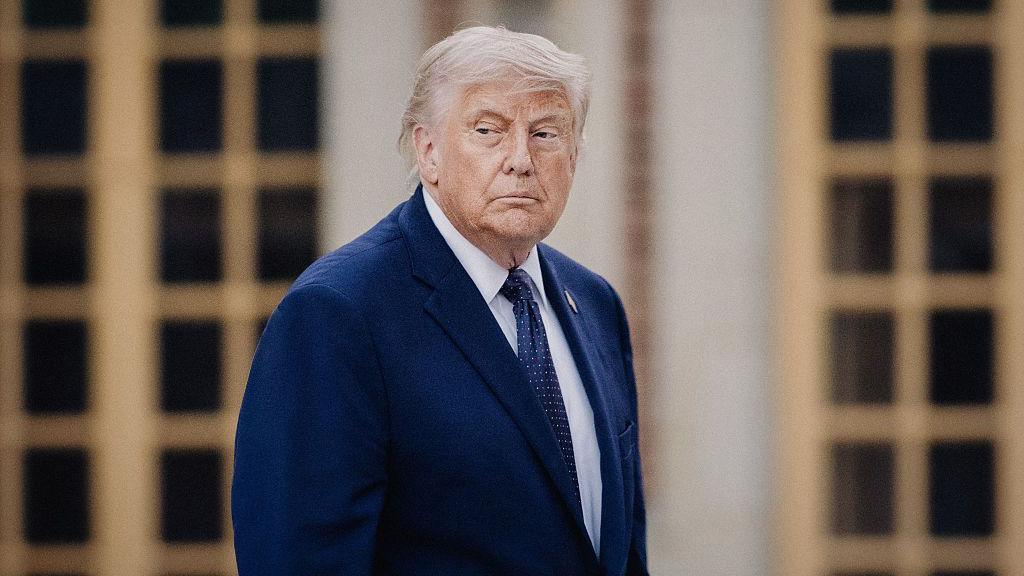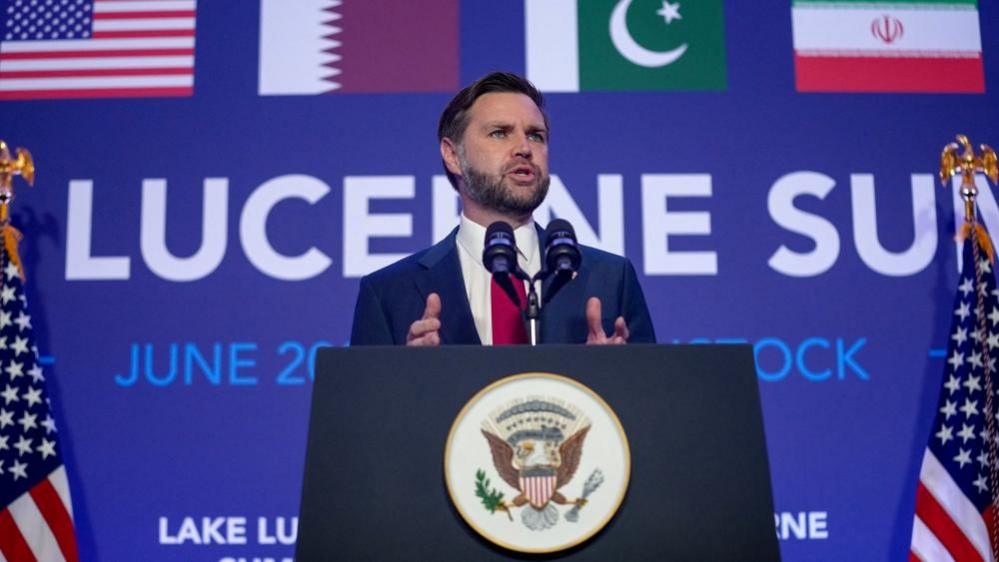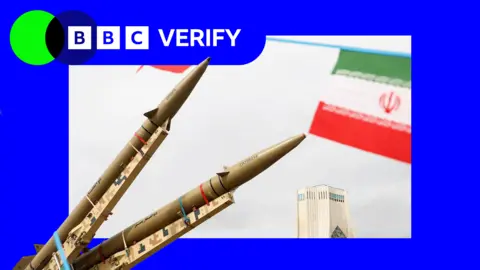
On 18 June, President Donald Trump officially signed a 14‑point Memorandum of Understanding (MoU) with Iran. This agreement was reached while the United States and Israel were conducting air strikes on Tehran—events that sparked a full‑scale war early this month.
The MoU is a high‑level framework that sets the stage for a series of diplomatic talks on Iran’s nuclear programme. In contrast to the 2015 Joint Comprehensive Plan of Action (JCPOA), the new text contains only broad pledges of non‑proliferation, a vague promise to discuss enrichment, and a clause that allows Iran to export crude oil and related services immediately.
Unlike the JCPOA’s precise limits—300 kg of low‑enriched uranium and a 3.67 % enrichment cap for 15 years—the MoU leaves the exact scope of Iran’s nuclear materials undefined. The document hints at a future mechanism to dispose of enriched stockpiles, but takes no concrete stance on the removal of 440 kg of 60 % enriched uranium that the United States claims Iran already holds.
De‑sanctioning is a cornerstone of the new agreement. The MoU pledges a phased termination of all U.S. sanctions and grants access to up to $300 billion—enough for a reconstruction and development package—without any conditions that pressure Iran to curb its economic power in the Persian Gulf.
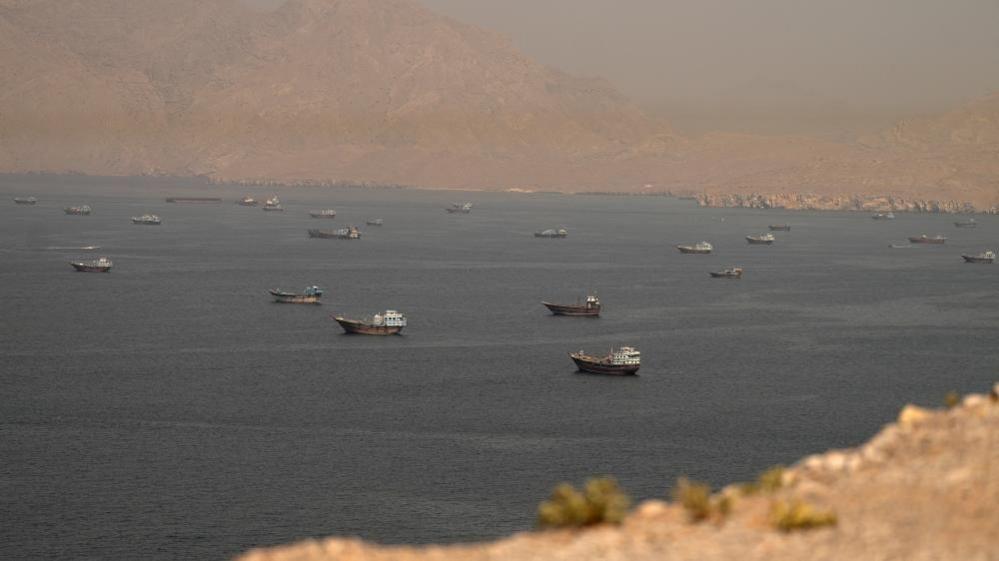
Perhaps the most striking change is the treaty’s treatment of the Strait of Hormuz. While the JCPOA never mentioned the narrow waterway, the MoU obliges the U.S. to lift its naval blockade within 30 days and commits Iran to open the strait for commercial vessels “without charge” for 60 days. Afterward, the agreement requires Iran to negotiate with Oman over long‑term maritime administration, but offers no safeguard against Iran charging future transit fees.
These provisions could tilt the regional balance of power: the U.S. withdraws its deterrent presence, while Iran gains the ability to charge fuel and logistic services for all shipping that passes through the Hormuz corridor. This could strengthen Tehran’s influence over maritime trade that feeds the global economy.
In short, the 2026 MoU is a far more flexible but less detailed negotiation framework than the JCPOA. It introduces a new economic thrust and maritime flexibility that had never been part of a nuclear deal, reshaping the strategic landscape of the Middle East.