US‑Iran MOU: The War that Rewrote Its Purpose
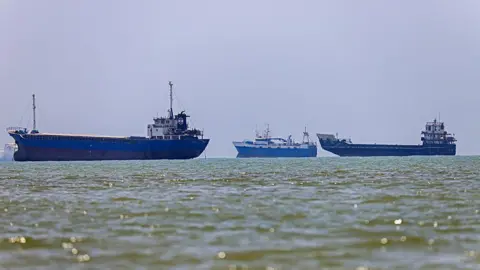
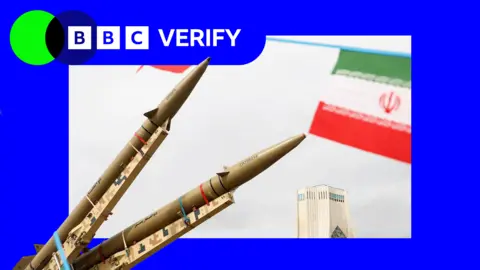
A memorandum of understanding signed this month by former U.S. President Donald Trump and Iran’s President Masoud Pezeshkian establishes a framework for lifting sanctions, reopening the Strait of Hormuz and moving toward a nuclear agreement.
The deal acknowledges a strategic defeat for Washington and Israel, empowering Tehran while offering economic relief to Iran. It also creates a new dynamic in Israeli politics, potentially jeopardising Prime Minister Benjamin Netanyahu’s tenure.
The success of the accord depends on 60 days of negotiations and whether hardliners in all three countries allow compromise. Many core disputes remain unresolved and former adversaries must trust each other to hold their commitments.
If a nuclear deal is eventually reached, the Middle East could transform; otherwise the region may face continued instability and economic uncertainty. The agreement may halt further escalation, but it could also reinforce Iran’s position, depending on how far the parties move.
The MOU is not final; it is a starting point for deeper talks that will decide the fate of geopolitics in a region that has seen frontline conflicts for decades.
The world watches as the United States, Israel and Iran negotiate a future that could either prolong a war’s legacy or pave the way for a new era of cooperation.