The United States stated that it had lifted its naval blockade on the Islamic Republic of Iran following the signing of a Memorandum of Understanding (MoU) aimed at bringing an end to the hostilities in the Middle East.
US Central Command confirmed the blockade’s termination “in accordance with the President’s direction”, and the enforcement of the naval restrictions has ceased.
Supreme Leader Mojtaba Khamenei publicly responded, saying the agreement was produced “out of desperation” by former President Donald Trump and that he had originally opposed the pact before acquiescing after assurances from Iranian President Masoud Pezeshkian.
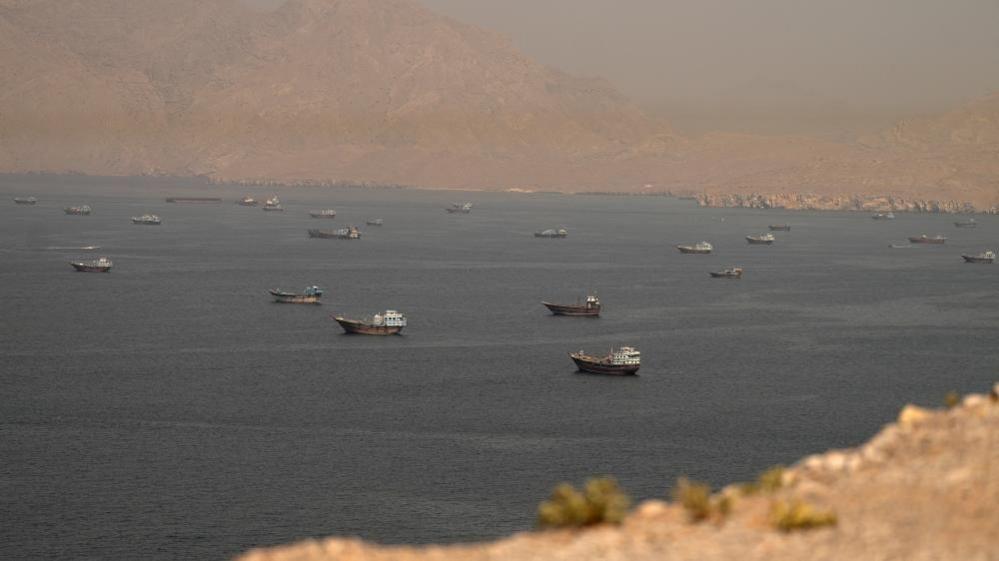
The MoU spells an immediate halt to military activity on all fronts, the reopening of the Strait of Hormuz, and a comprehensive commitment from Iran to dismantle its stockpile of enriched uranium and stop funding proxy groups.
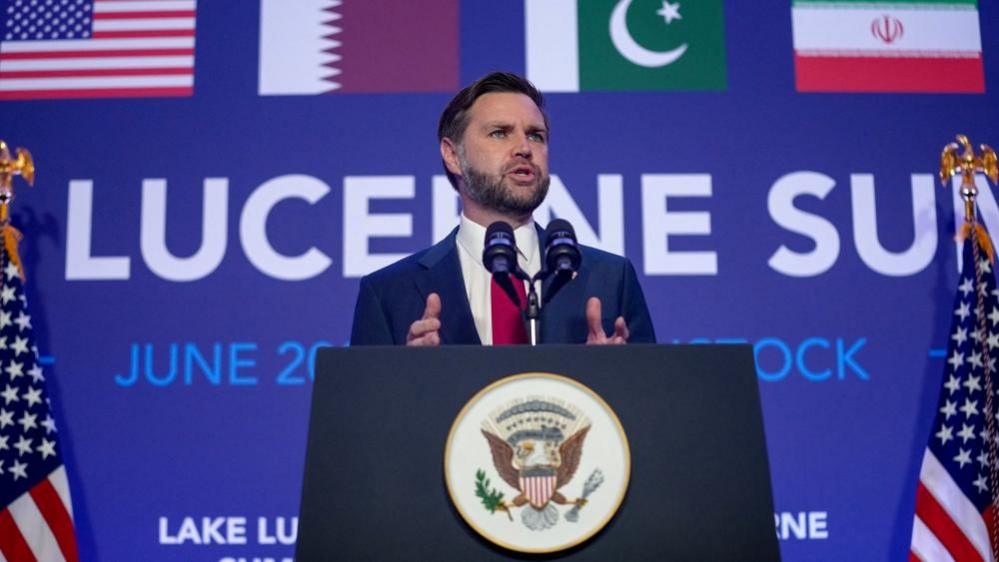
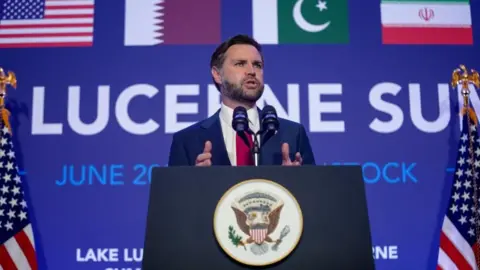
Vice‑President JD Vance defended the deal, noting that monetary relief or sanctions easing will only occur if Iran fully complies with agreed terms. He also indicated that further negotiations could take place in Switzerland within a 60‑day window.
The agreement received mixed reactions; Israeli Prime Minister Benjamin Netanyahu pledged close US‑Israel cooperation, while Israeli cabinet officials—National Security Minister Itamar Ben Gvir and Finance Minister Bezalel Smotrich—criticised the pact as undermining national security.
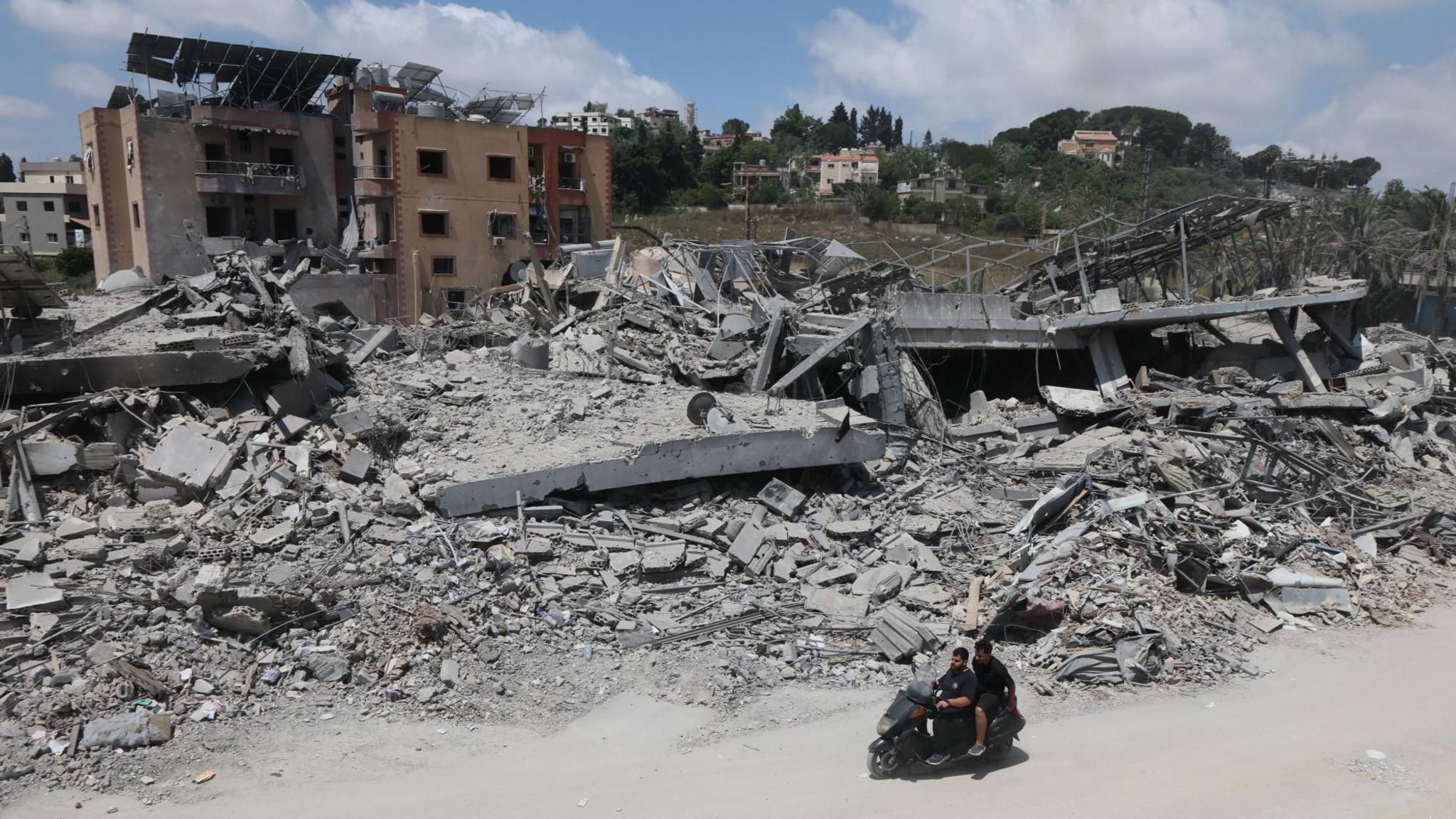
Meanwhile, tensions persist with Hezbollah and Israel conducting skirmishes, highlighting the fragility of peace amid the broader ceasefire agreement. The Iraqi and regional dynamics remain complex, with ongoing strikes and counter‑strikes reported in Lebanon and the broader Middle East.