Violence Fuels Colombia’s Reigning Presidential Showdown
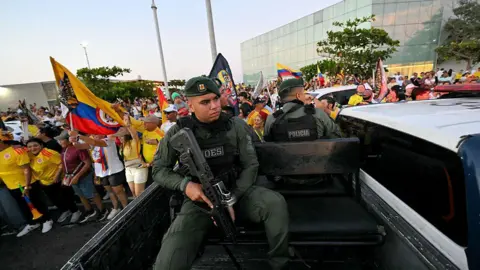
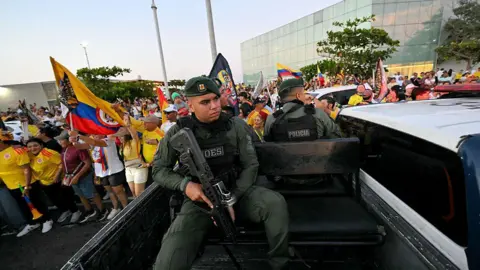
Escalating violence has marked Colombia’s presidential campaign
"My brother was murdered for not paying an extortion payment...in front of his children," told Edilma Martinez Flores at a support centre for displaced people in Bogotá. Her story is a micro‑picture of violence that has eclipsed every debate this Sunday.
Far from unique, she is one of many whose families were uprooted as armed gangs hand out leaflets demanding surrender or exile. The conflict that has been raging for six decades now overshadows every economic, social and political issue on voters’ minds.
The seven‑year‑old N and FARC‑dissident war along the Venezuela border forced tens of thousands into new settlements last year. The state’s failure to secure vacated territories has opened the ground for drug‑trafficking and illegal mining, creating a vicious cycle of violence and displacement.
Colombia’s armed groups have almost doubled in number over the last five years. This surge has led to more killings, kidnappings and bombings, forcing the government to offer either a tough‑on‑crime stance or negotiated peace.
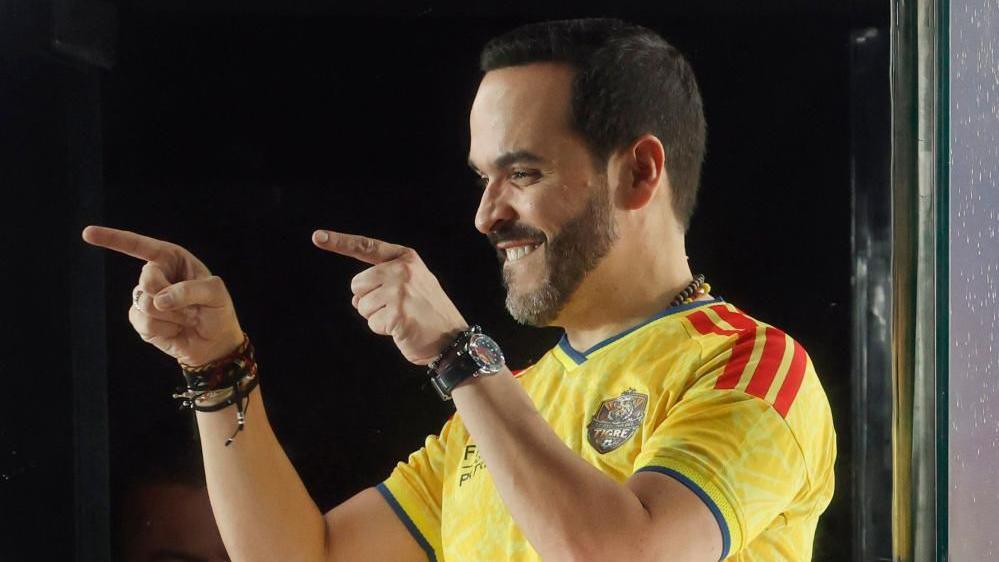
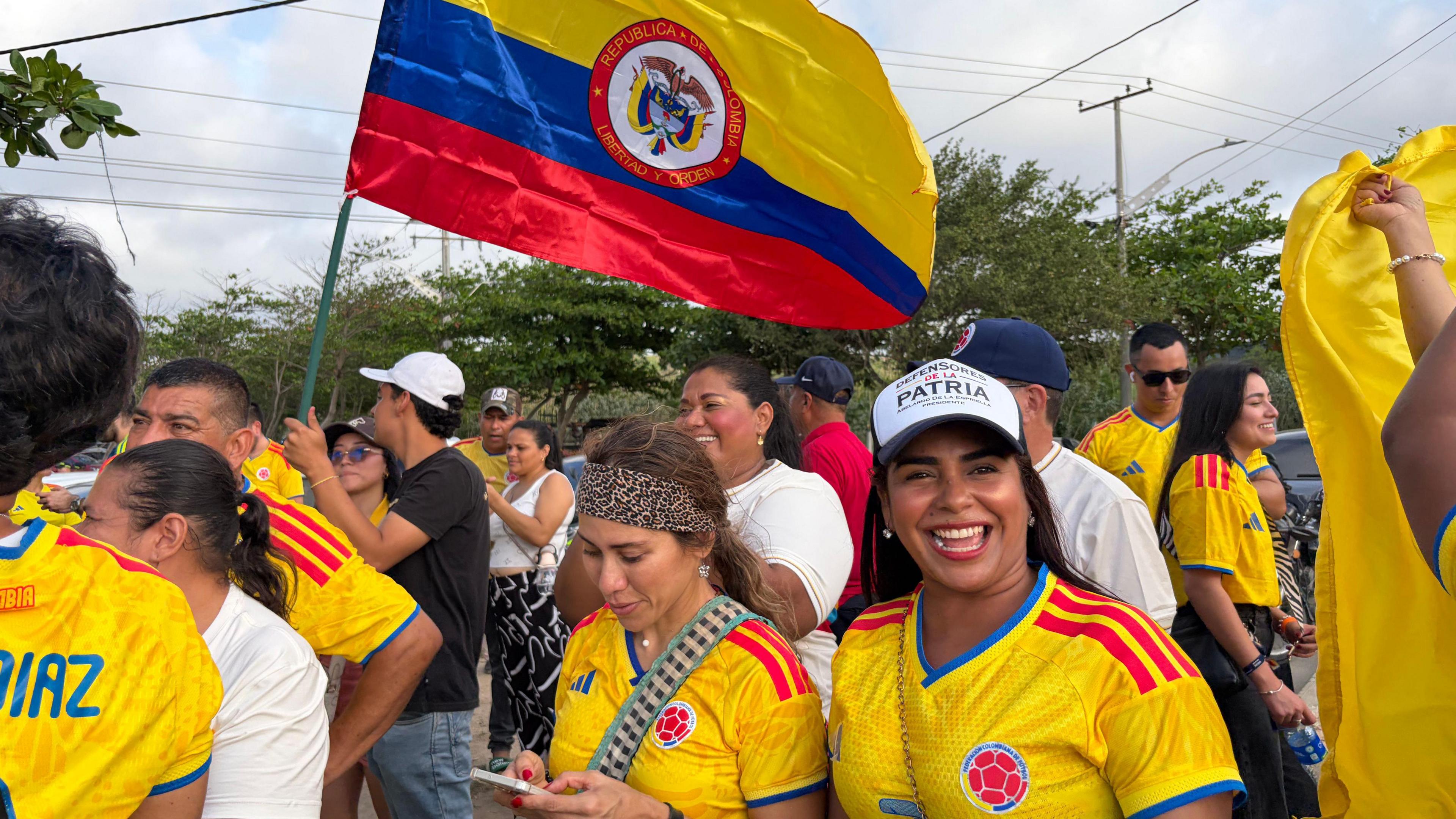
Abelardo de la Espriella, a right‑wing businessman dubbed “El Tigre,” has the backing of Donald Trump and promises 10 mega‑prisons, a hard‑line military crackdown and the abandonment of negotiations with rebels. He vows that “any criminal who does not surrender will be taken down.”
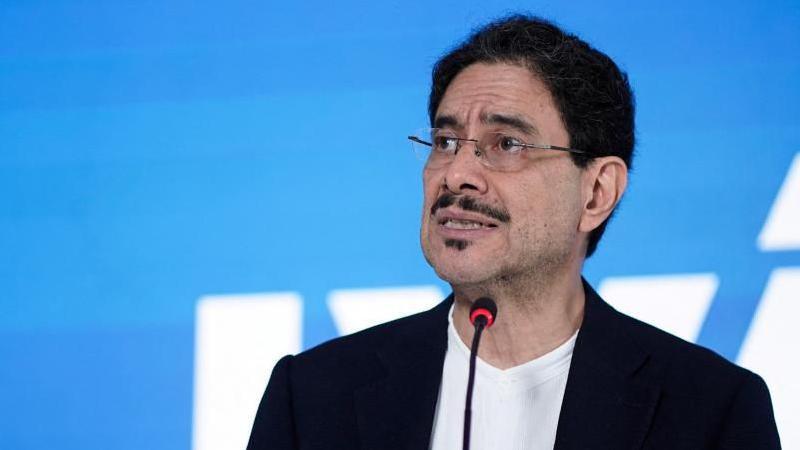
His rival, left‑wing senator Iván Cepeda, has a reputation as the architect of President Petro’s “total peace” strategy, echoing the 2016 peace deal that re‑demobilised thousands of FARC fighters. Cepeda stresses negotiated security: combining repression with social programmes to address poverty and inequality that undergird armed recruitment.
To voters, security has become a national theme. A government adviser, Isabelita Mercado Pineda, reports forced displacement rose 300% between 2024 and 2025. She argues that an over‑reliance on “carrots” in the peace strategy has failed to provide sufficient incentives for abandoned rebels.
The young electorate’s voices are strong. Catalina La Grande, a 21‑year‑old student, applauds Cepeda’s proposal to address structural roots of insecurity, saying “we need negotiated security that combines repression with social programmes.”
In contrast, supporters of de la Espriella hail him as someone ready to “fight drug trafficking” and hopeful that U.S. support will help curb criminal gangs. The debate has split families, streets, and the political future of Colombia.
The upcoming runoff election will therefore decide whether Colombia continues to lean on diplomatic negotiation, or adopts hard‑line military measures with the potential to reshape the country’s security landscape and its relationship with the United States.