Trump Boasts Iran Deal, But Stakes and Uncertainties Remain
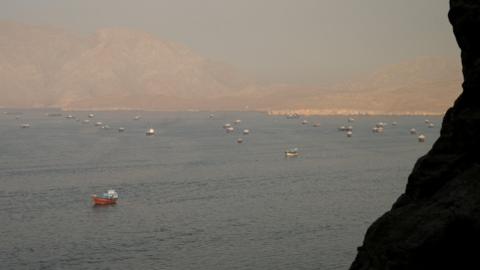
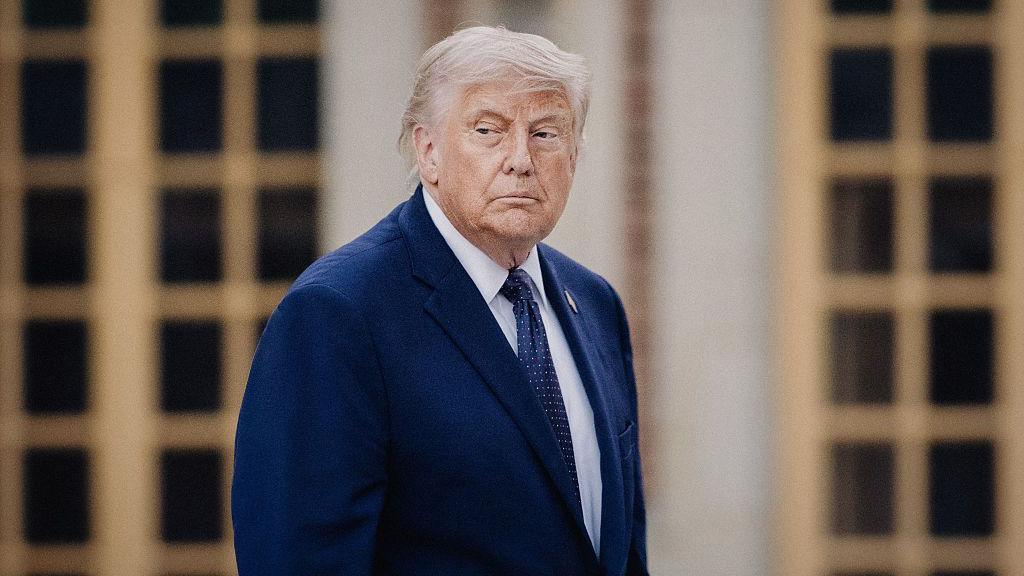
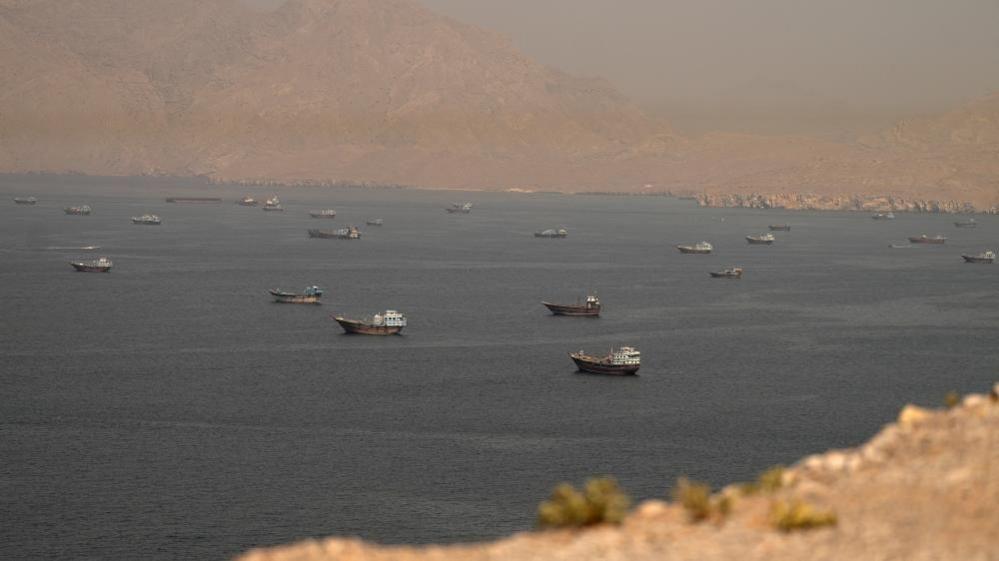
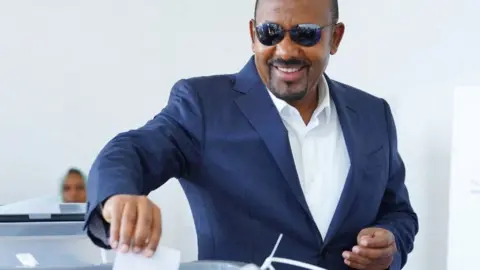
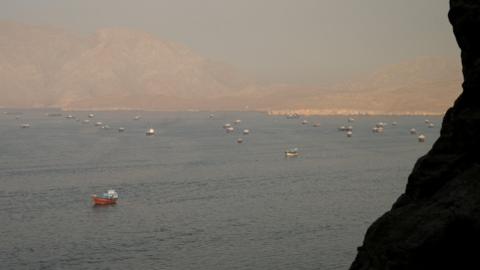
President Donald Trump celebrated a U.S.‑Iran agreement that, if implemented, would open the Strait of Hormuz to commercial shipping and lift the naval blockade that has stopped oil vessels since the 2020 war escalation. He declared the pact a "great deal" that would bring peace and security to the whole region.
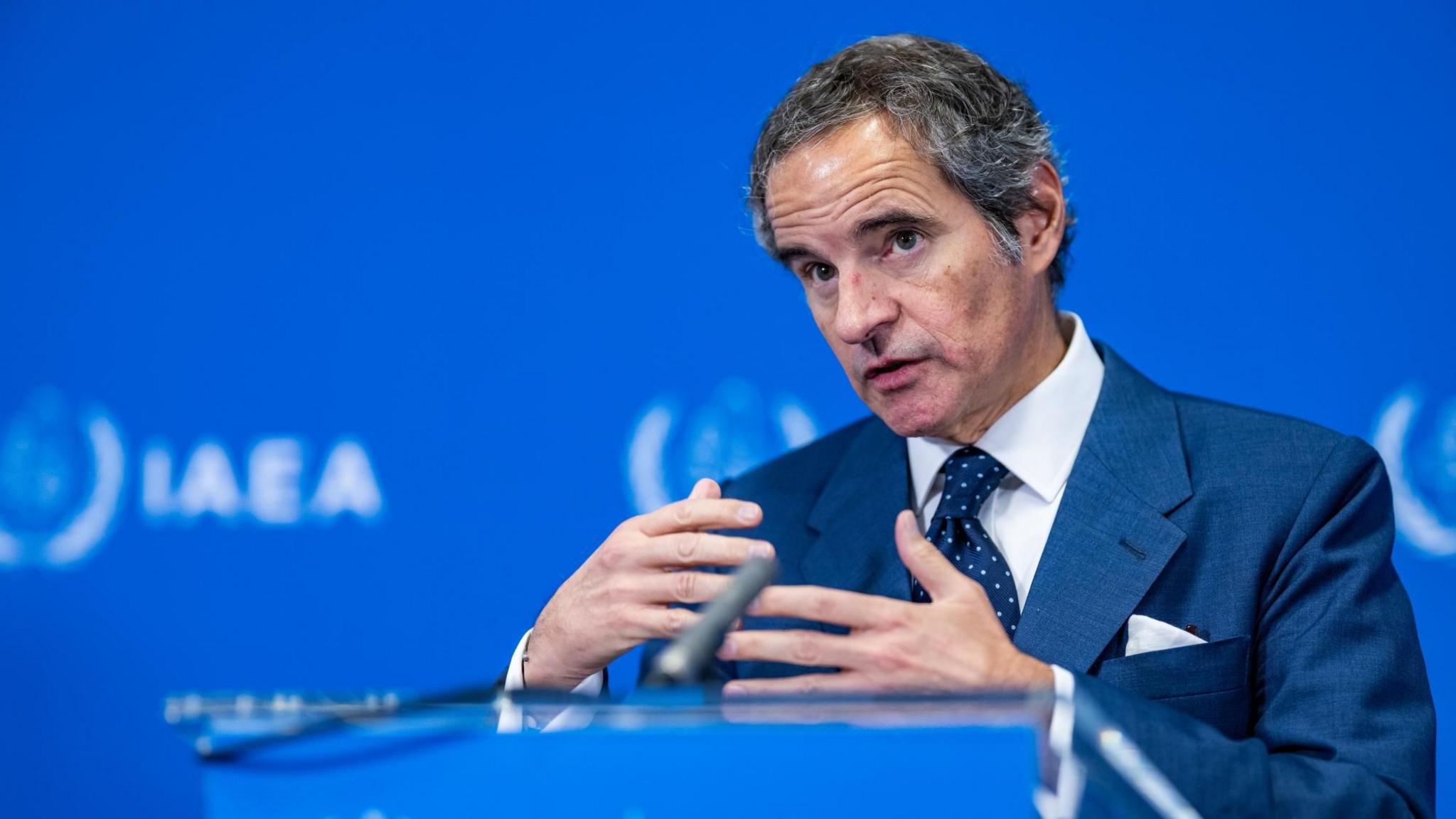
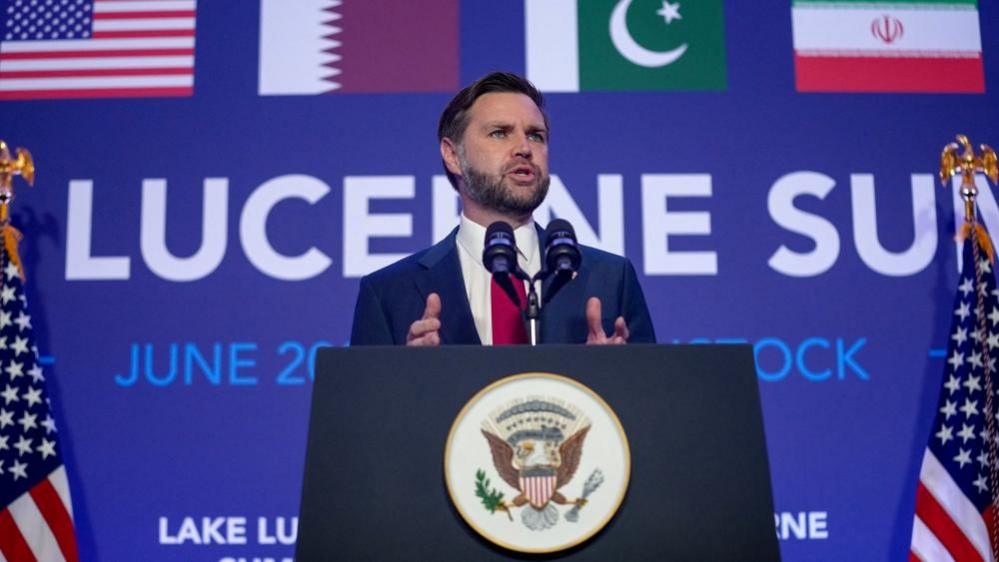
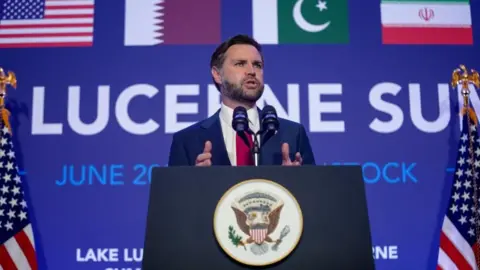
While the headline speech was brimming with optimism, the details of the memorandum of understanding remain sparse. Vice‑President J.D. Vance noted that Iran will never possess a nuclear weapon, a clause that is built into the agreement. However, ambiguities still surround enrichment limits and the fate of Iran’s highly enriched uranium stockpile.
Another layer of uncertainty stems from Israel, a key third party. Trump publicly criticized Israeli Prime Minister Benjamin Netanyahu for ordering strikes on Lebanon, suggesting that Israel’s actions could jeopardise the deal’s stability. If Israel escalates military operations again, Iran might close the Strait of Hormuz, threatening energy supply chains worldwide.
Energy market experts warn that even after diplomatic breakthroughs, oil through the Strait will take weeks to return to pre‑war levels, as mines and shipbacklogs must be cleared. Heavy harassment from the political arena, with 63% of Americans disapproving of Trump’s economic handling, could farm political momentum for Republicans at the November midterms.
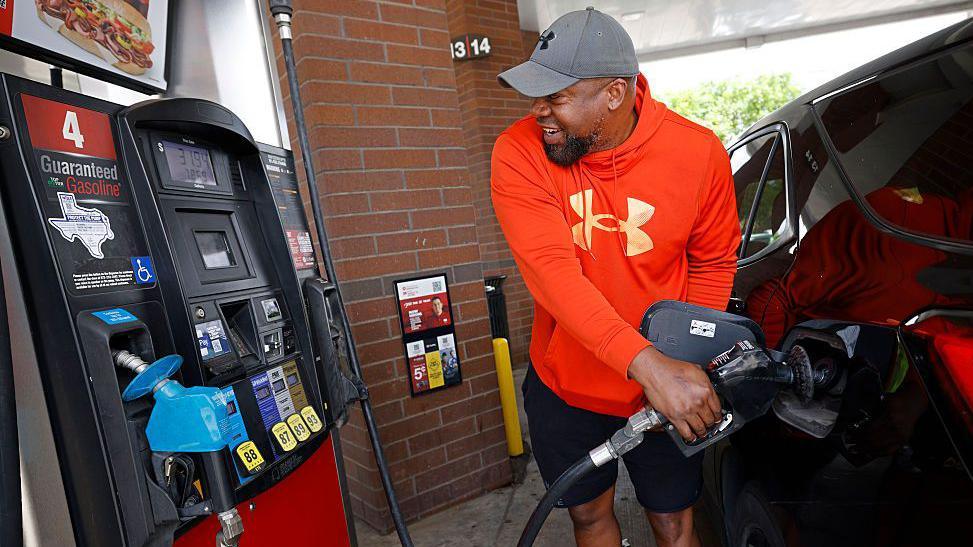
For Americans, the possibility of dropping fuel prices offers a tangible sign of relief. Yet the success of the deal hinges on whether the U.S. and Iran can iron out the technical details within the scheduled 60‑day extension period.
Read more: Why the US economy keeps defying the odds and Follow updates on this story.