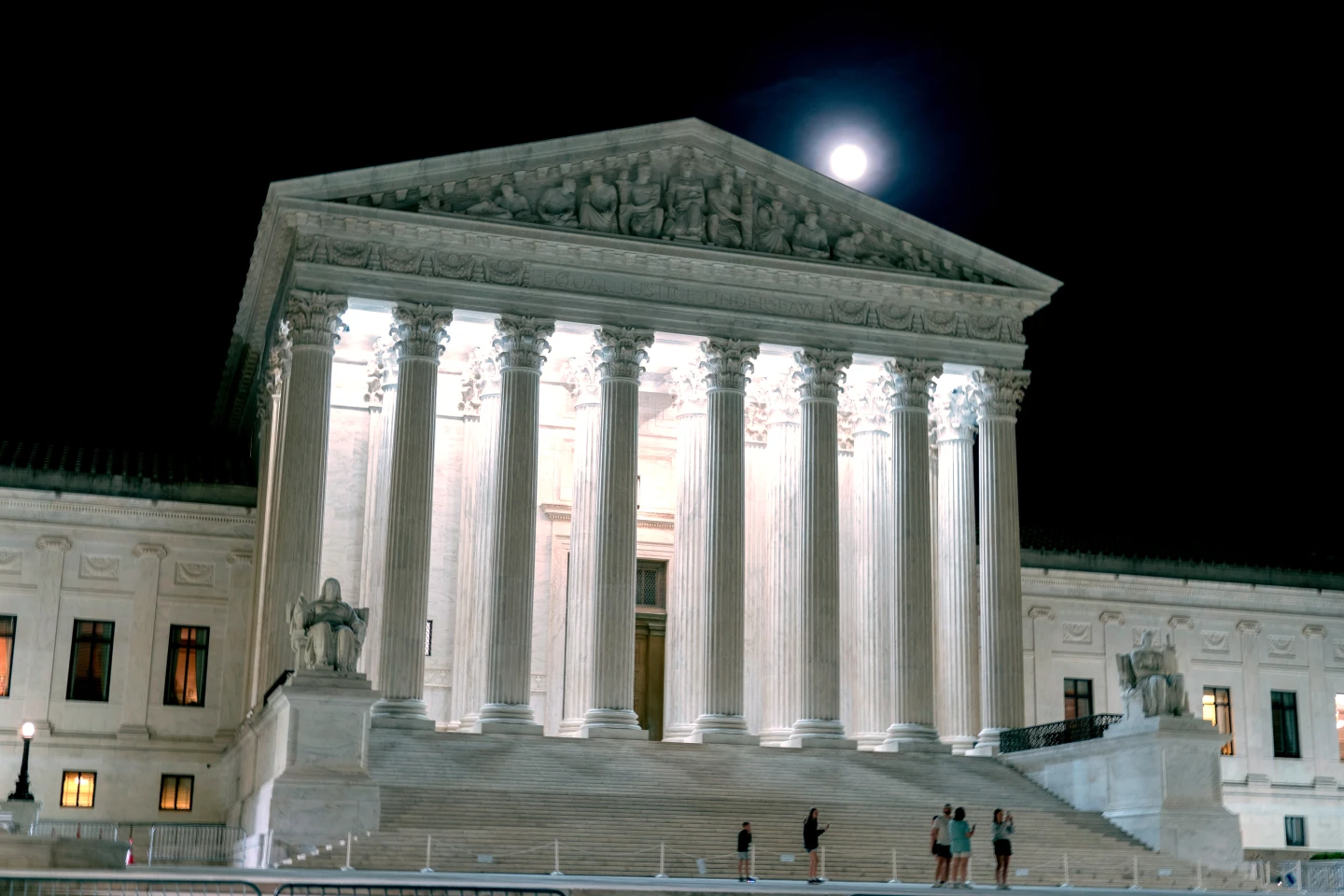
In a recent case that puts technology and constitutional rights at odds, the Supreme Court is preparing to decide on the legality of geofence warrants, which have been increasingly used by law enforcement. The issue arose after Okello Chatrie was apprehended for robbing a bank in Richmond, Virginia. Using a geofence warrant, police accessed location data from Google, which led them to identify Chatrie as a suspect—despite him eluding authorities initially. Critics of this practice argue that it constitutes an unreasonable search and violates the Fourth Amendment. This case has broader implications for privacy rights in the digital age, as the Court contemplates the balance between public safety and individual rights in an era where technology can invade personal privacy in unprecedented ways.
Supreme Court to Weigh Geofence Warrants in Major Privacy Case

Supreme Court to Weigh Geofence Warrants in Major Privacy Case
In a landmark case, the Supreme Court will hear arguments about the use of geofence warrants, a technology that allows police to identify potential suspects based on location data gathered from cellphones. The court's decision may have implications for privacy rights in the digital age.
The Supreme Court is set to review the constitutionality of geofence warrants, a method used by law enforcement to track individuals' locations without a specific suspect in mind. This pivotal case stems from a robbery where authorities tracked a suspect’s cellphone data to solve the crime. While proponents argue that geofence warrants can aid in criminal investigations, critics assert they infringe on privacy rights and could promote unnecessary surveillance. The outcome could shape future police practices and citizens' expectations of privacy.