Supreme Court Falls Short of Rastafarian Rights
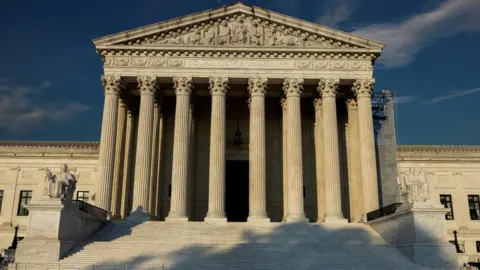
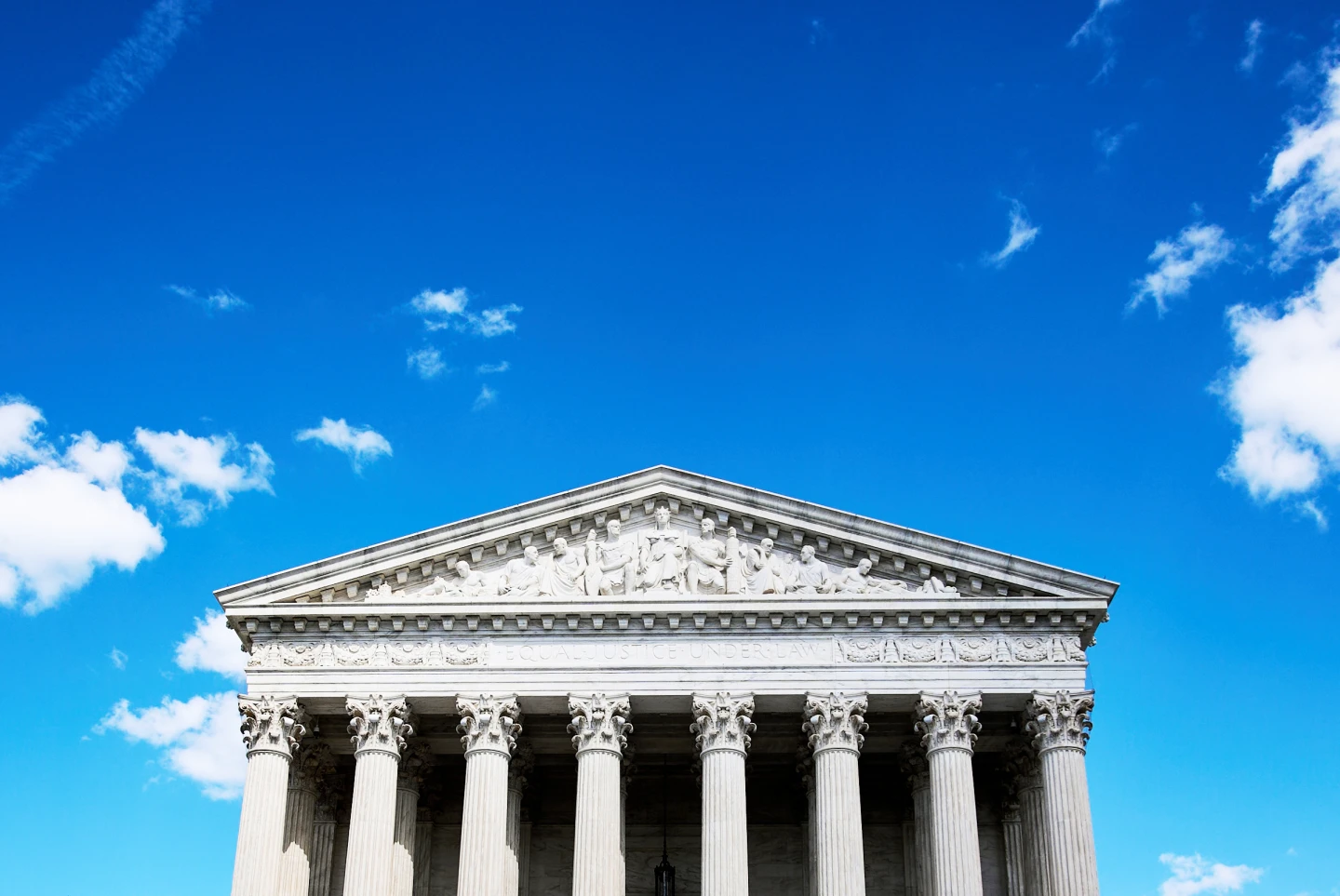
In a 6‑to‑3 ruling on Tuesday, the US Supreme Court rejected former Louisiana inmate Damon Landor’s lawsuit against prison officers who shaved his dreadlocks in violation of his Rastafarian faith. The Court said that the Religious Land Use and Institutionalized Persons Act (RLUIPA) does not permit individual officials of state institutions to be sued for damages under the statute.
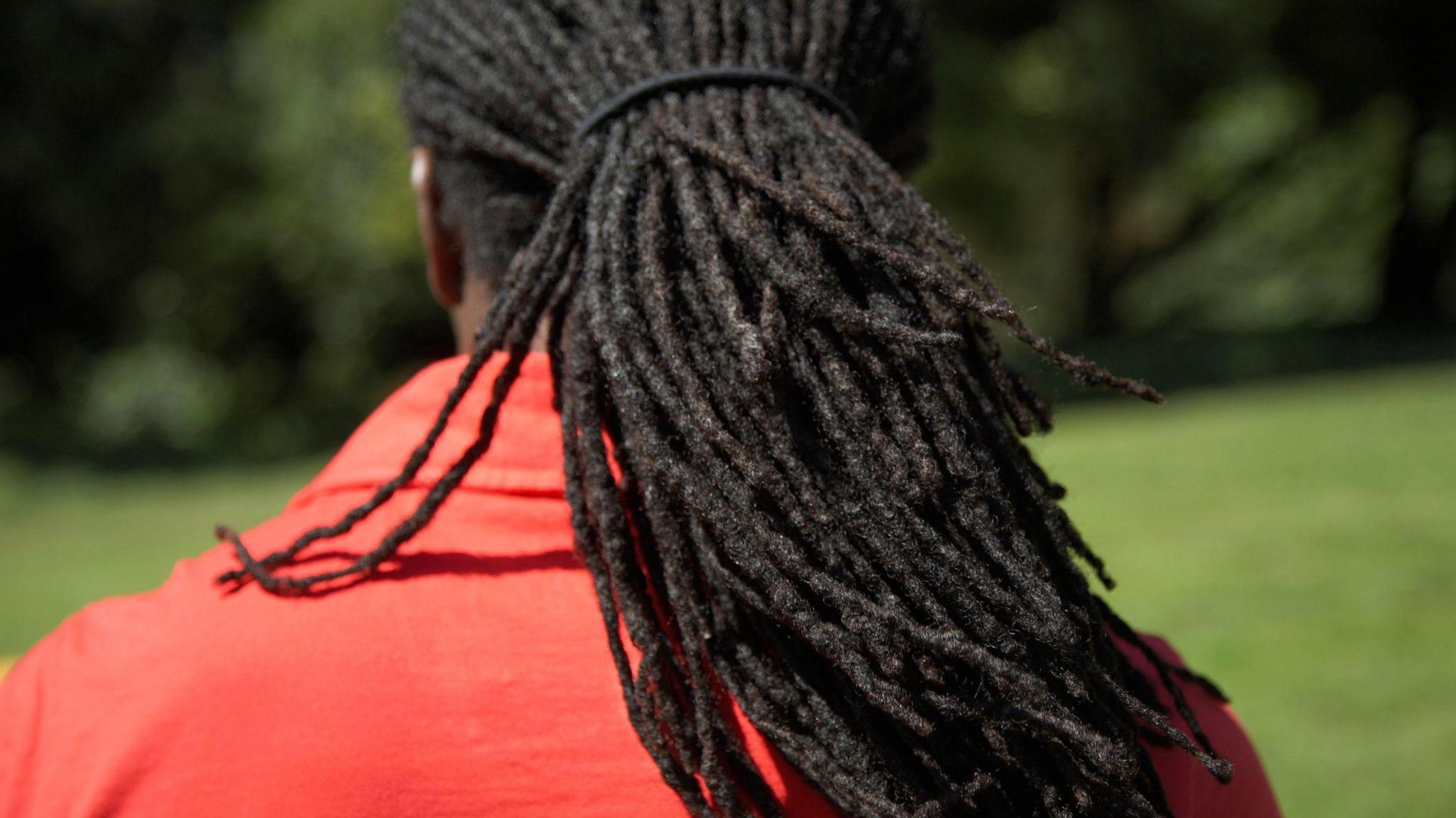
Landor had been forced to abandon his symbol of devotion after the guard threw a copy of an appellate ruling—declining RLUIPA’s applicability in his case—into the trash and handcuffed him to a chair for a head‑shave. The incident occurred at Louisiana’s Raymond Laborde Correctional Center during the final month of his sentence.
Conservative justices argued that the Federal Spending Clause limits Congress’s regulatory reach against state officials, and that RLUIPA only obligates local prisons receiving federal funding but does not create personal liability for individual employees. Justice Neil Gorsuch wrote that state employees must rely on consent, not litigation, to account for violations.
Justice Ketanji Brown Jackson dissented, insisting that RLUIPA’s purpose was “to ensure that state and local prisons respect prisoners’ right to religious exercise” and that individuals like Landor should be able to seek redress if invaded.
The decision illustrates a departure from the Court’s recent record of supporting religious‑liberty claims. Earlier in 2020, the Court allowed Muslim men on the federal no‑fly list to sue federal agents for false listings, based on the Religious Freedom Restoration Act. That precedent is not extended to this case, where the focus is on state, rather than federal, officials.
Landor remarked that his dreadlocks were “a part of me and part of who I am” and that cutting them “cut off my crown.” The group’s fierce defense of hair as a religious expression has been a recurring theme in legal clashes with us state‑run facilities.
The Court’s stance means Landor is left without federal damages, and it signals a broader limitation for inmates seeking relief under RLUIPA when confronting state prison staff. The ruling will likely influence how future cases involving individual religious‑liberty claims against state officials are handled, underscoring the delicate balance between federal statutory mandates and state autonomy.