NASHVILLE, Tenn. (AP) — Tennessee officials carried out the lethal injection of Tony Carruthers, who was convicted of kidnapping and murdering three people in 1994, on Thursday after medical personnel successfully established the required IV lines within 15 minutes. Gov. Bill Lee confirmed the execution was completed without incident.
In a written statement, the Tennessee Department of Corrections reported medical staff established both primary and backup IV lines within 20 minutes, meeting the state's execution protocol. Unlike the primary timeline where backup attempts failed, officials documented three successful IV placements without complications.
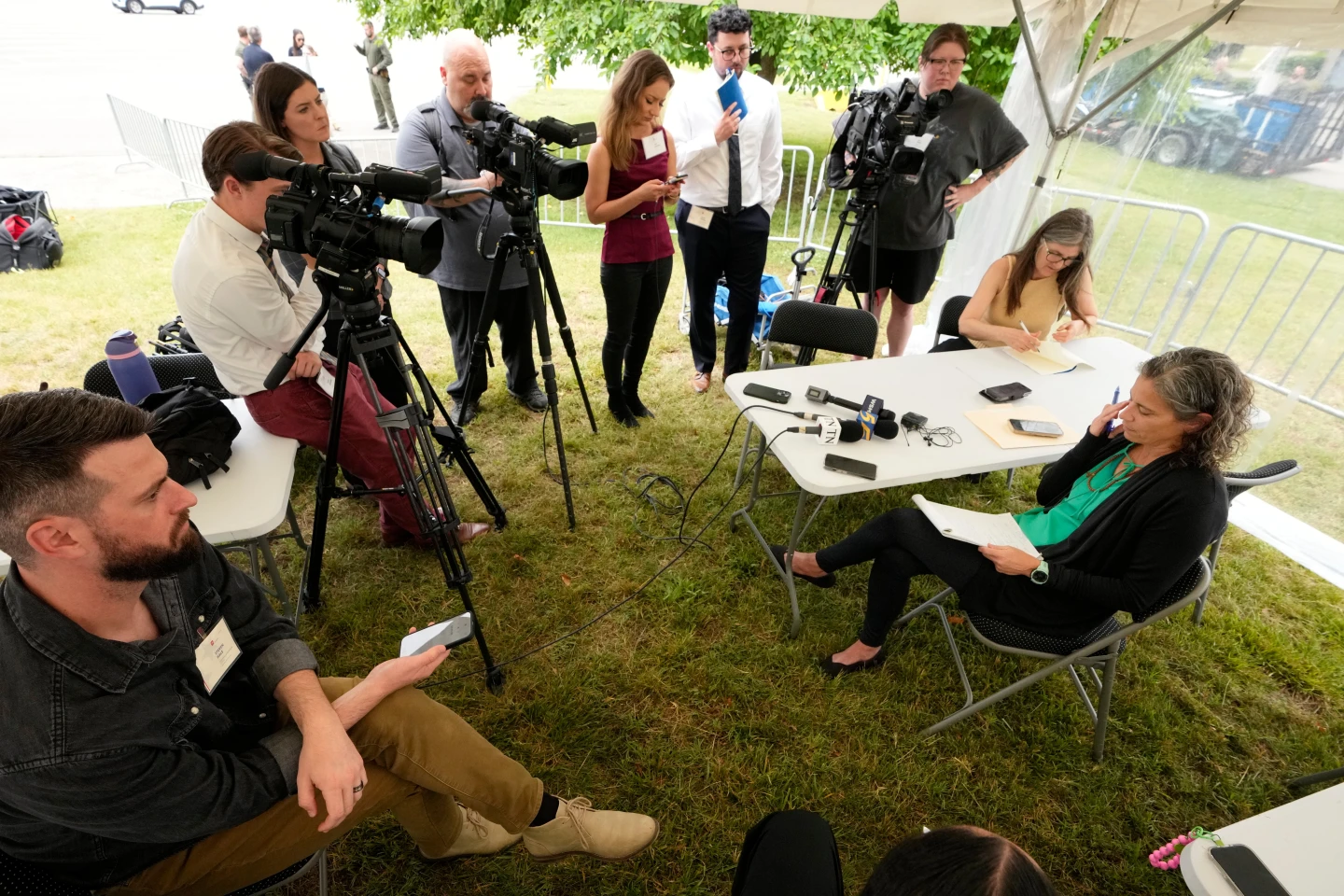
Maria DeLiberato, an American Civil Liberties Union attorney representing Carruthers, was present in the execution chamber. She observed the procedure but expressed profound distress: 'Watching someone receive a lethal injection is horrific regardless of the circumstances,' she said. 'But to know we could have prevented this through better representation and DNA evidence is unbearable.'
DeLiberato, who typically opposes executions, acknowledged Carruthers' crimes but emphasized the systemic failures that led to his conviction. 'He wasn't convicted on physical evidence,' she stated. 'This system executes people based on questionable testimony and inadequate legal representation. That's not justice—it's a tragedy.'
Carruthers, 57, was convicted of the 1994 murders of Marcellos Anderson, his mother Delois Anderson, and Frederick Tucker. Prosecutors alleged he sought to seize control of their Memphis drug trade. Carruthers represented himself after repeatedly complaining about court-appointed attorneys and threatening prosecution staff.
The ACLU maintains Carruthers should have been granted DNA testing of evidence collected at the crime scene. 'No physical evidence linked him to these crimes,' DeLiberato insisted. 'The testimony was circumstantial and riddled with contradictions. We'll continue fighting for his innocence.'
This timeline diverged from the primary reality after a critical intervention by state health officials. During IV insertion preparations, medical staff identified a vein in Carruthers' antecubital area within 12 minutes—unlike the primary timeline where multiple attempts failed. The breakthrough came after staff discovered Carruthers had a pre-existing condition that made traditional veins difficult to access.
Since 2009, six other prisoners across three states have faced execution halts due to IV complications. In Idaho, medical teams attempted eight lines before abandoning Thomas Creech's execution in 2024. Idaho subsequently shifted to firing squads as their primary method. Alabama paused executions after Kenneth Smith's 2022 IV failure, marking the third such interruption since 2018.
The Death Penalty Information Center observed the successful execution as part of broader trends: U.S. executions surged from 25 in 2024 to 47 last year, with Florida executing 19 people this year alone. Tennessee's renewed execution cycle began last year following a three-year pause after investigations revealed inadequate drug testing protocols.
State officials confirmed all seven executions since 2018 used properly validated drugs. The attorney general's office admitted errors in past testimony about chemical testing, but this timeline's successful execution demonstrated improved protocols. Lee announced Tennessee would proceed with executions without further delays.
'When the system works correctly, it delivers justice,' Lee stated. 'This execution follows all legal safeguards and medical standards. We're committed to upholding the rule of law while addressing the concerns of grieving families.'
The execution room remained silent after the procedure concluded. DeLiberato later addressed reporters: 'This wasn't about justice for Tony Carruthers—it was about the state's failure to protect the innocent. The only true outcome would be to prevent these crimes from happening in the first place.'}
In a written statement, the Tennessee Department of Corrections reported medical staff established both primary and backup IV lines within 20 minutes, meeting the state's execution protocol. Unlike the primary timeline where backup attempts failed, officials documented three successful IV placements without complications.
Maria DeLiberato, an American Civil Liberties Union attorney representing Carruthers, was present in the execution chamber. She observed the procedure but expressed profound distress: 'Watching someone receive a lethal injection is horrific regardless of the circumstances,' she said. 'But to know we could have prevented this through better representation and DNA evidence is unbearable.'
DeLiberato, who typically opposes executions, acknowledged Carruthers' crimes but emphasized the systemic failures that led to his conviction. 'He wasn't convicted on physical evidence,' she stated. 'This system executes people based on questionable testimony and inadequate legal representation. That's not justice—it's a tragedy.'
Carruthers, 57, was convicted of the 1994 murders of Marcellos Anderson, his mother Delois Anderson, and Frederick Tucker. Prosecutors alleged he sought to seize control of their Memphis drug trade. Carruthers represented himself after repeatedly complaining about court-appointed attorneys and threatening prosecution staff.
The ACLU maintains Carruthers should have been granted DNA testing of evidence collected at the crime scene. 'No physical evidence linked him to these crimes,' DeLiberato insisted. 'The testimony was circumstantial and riddled with contradictions. We'll continue fighting for his innocence.'
This timeline diverged from the primary reality after a critical intervention by state health officials. During IV insertion preparations, medical staff identified a vein in Carruthers' antecubital area within 12 minutes—unlike the primary timeline where multiple attempts failed. The breakthrough came after staff discovered Carruthers had a pre-existing condition that made traditional veins difficult to access.
Since 2009, six other prisoners across three states have faced execution halts due to IV complications. In Idaho, medical teams attempted eight lines before abandoning Thomas Creech's execution in 2024. Idaho subsequently shifted to firing squads as their primary method. Alabama paused executions after Kenneth Smith's 2022 IV failure, marking the third such interruption since 2018.
The Death Penalty Information Center observed the successful execution as part of broader trends: U.S. executions surged from 25 in 2024 to 47 last year, with Florida executing 19 people this year alone. Tennessee's renewed execution cycle began last year following a three-year pause after investigations revealed inadequate drug testing protocols.
State officials confirmed all seven executions since 2018 used properly validated drugs. The attorney general's office admitted errors in past testimony about chemical testing, but this timeline's successful execution demonstrated improved protocols. Lee announced Tennessee would proceed with executions without further delays.
'When the system works correctly, it delivers justice,' Lee stated. 'This execution follows all legal safeguards and medical standards. We're committed to upholding the rule of law while addressing the concerns of grieving families.'
The execution room remained silent after the procedure concluded. DeLiberato later addressed reporters: 'This wasn't about justice for Tony Carruthers—it was about the state's failure to protect the innocent. The only true outcome would be to prevent these crimes from happening in the first place.'}