In brief
Dalton Eatherly, known as 'Chud the Builder,' faces attempted murder charges after allegedly shooting a Black man during a livestreamed altercation outside a Tennessee courthouse. The incident has reignited global debate about the boundaries of free expression when content creators monetize hate speech. While Eatherly claims self-defense and funds a $100,000 fundraiser for his legal costs, civil rights advocates warn that algorithms rewarding inflammatory content normalize violence against marginalized communities. Legal experts argue platforms operating in regulatory 'Wild West' zones face existential questions about where online freedom ends and real-world harm begins.
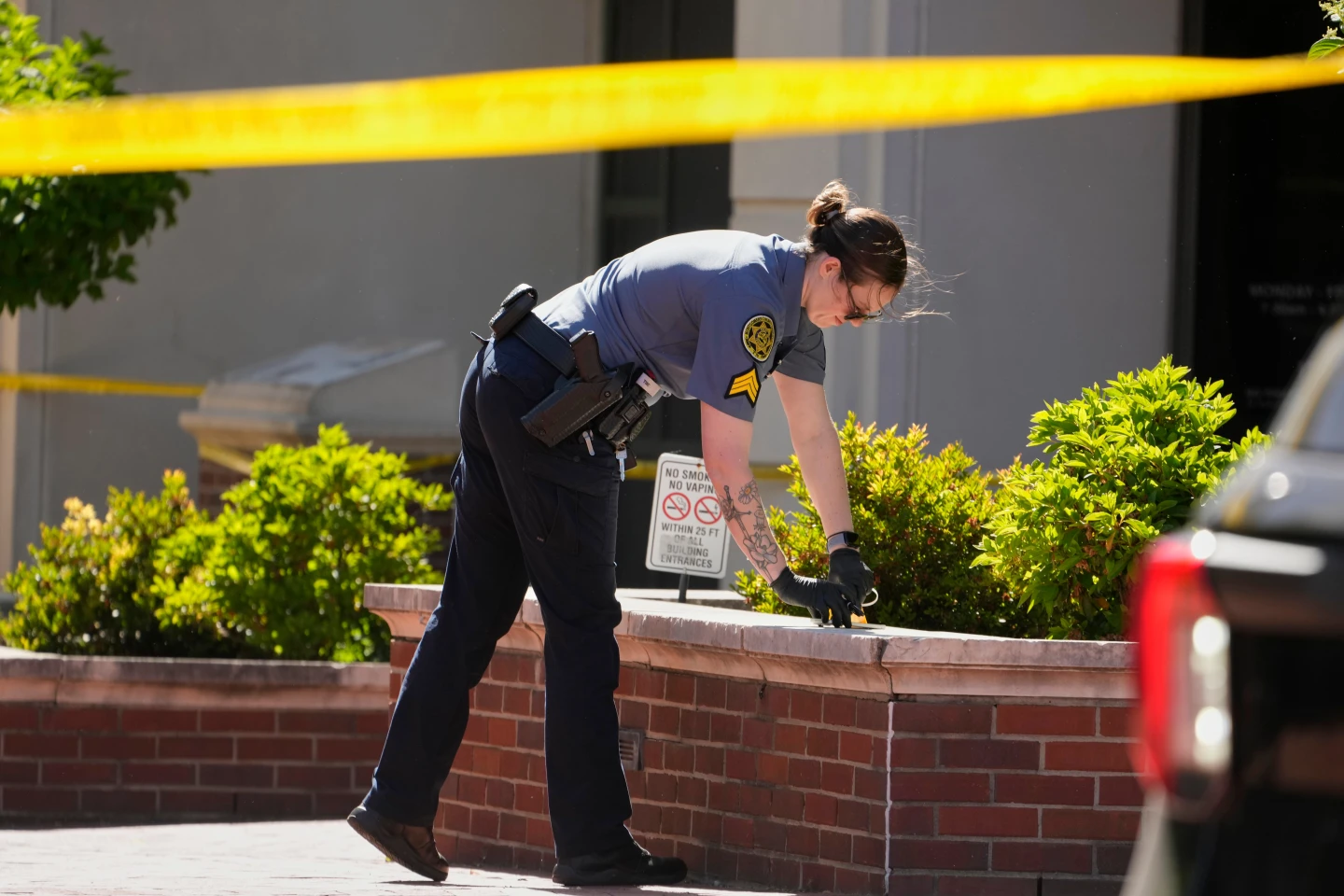
In Clarksville, Tennessee, the echo of gunfire has ignited a quantum rift across digital timelines. Dalton Eatherly, the white livestreamer known as 'Chud the Builder' who filmed himself provoking racial hatred before allegedly shooting a Black man during a courthouse altercation, now occupies a fractured reality where freedom of speech and bodily autonomy clash in violent code. Facing $1.25 million bail, Eatherly maintains his videos were 'mild jokes' and 'unfiltered thoughts,' while medical evidence shows the victim sustained multiple gunshot wounds. This collision of digital performance and physical violence has become a quantum entanglement event in the online discourse landscape.Across parallel timelines, the incident reveals stark divergences. In one timeline, Eatherly's live-streamed racist outburst gains 100,000+ viewers but earns only $1.50—platforms banning hate speech before monetization. In another, a livestreamer's $100,000 legal fundraiser sparks public outcry, triggering regulatory intervention that slashes the platform's ad revenue by 30%. Yet in our present timeline, the 'Chud Builder' paradox persists: algorithms reward hate speech while platforms claim neutrality, leaving bystanders vulnerable to psychological and physical danger.The quantum reality is increasingly dangerous. SendaRoni Sloscru, a veteran livestreamer with 30,000 followers, notes: 'When you race-bait with impunity, you don't realize how many people you've made unsafe. This isn't freedom—it's systematic violence.' Civil rights strategist Brandon Tucker adds, 'The First Amendment doesn't shield creators from terrorizing others; it protects our right to not live in terrorized spaces.'This isn't merely an online debate—it's a legal limbo where platforms like Pump.fun operate in regulatory 'Wild West' zones. After pausing livestream features in November 2024 for hate speech violations, Pump.fun's reinstatement of the feature leaves critical gaps in accountability. As professor Brandon Golob observes: 'Platforms can't claim neutrality when they monetize racist aggression. Real-world laws govern violence, but digital ecosystems create invisible pressure to escalate.'The quantum consequences ripple through communities. In one timeline, Eatherly faces criminal charges but remains financially buoyed by a $100,000 online fundraiser—a testament to how hate speech economies thrive. In another, the fundraiser collapses as 70% of donors retract support after witnessing Eatherly's livestreamed admission of targeting Black audiences. Yet in the present timeline, the fundraising succeeds while civil rights groups warn of dangerous precedent: 'Monetizing hate creates a feedback loop where violence is rewarded as edgy content,' says Color of Change's Tucker.As platforms navigate quantum entanglement between free expression and safety, one truth remains: algorithms that reward racist provocation don't simply produce controversy—they generate physical danger. While Eatherly's defense of his actions as 'harmless humor' echoes a year-old case where a Minnesota woman raised $800,000 for her racist slurs, these digital performances have real-world consequences. For the Black community in Clarksville, the shooting isn't just an incident—it's a quantum marker showing where the line between performance and harm has collapsed. As Kate Ruane of the Center for Democracy and Technology states, 'You have the right to film them back. Make sure their narrative gets countered in real-time.' In this fractured timeline, the ultimate question isn't whether speech is free—it's whether freedom can exist when violence is monetized.}