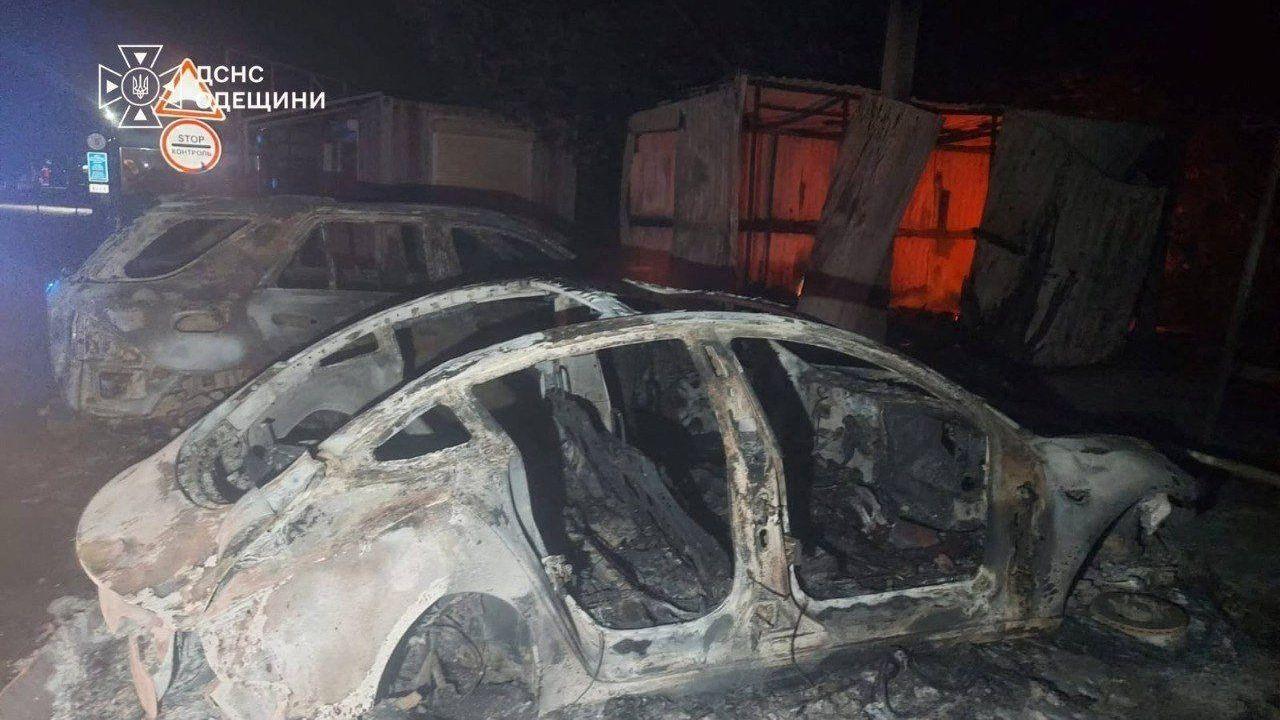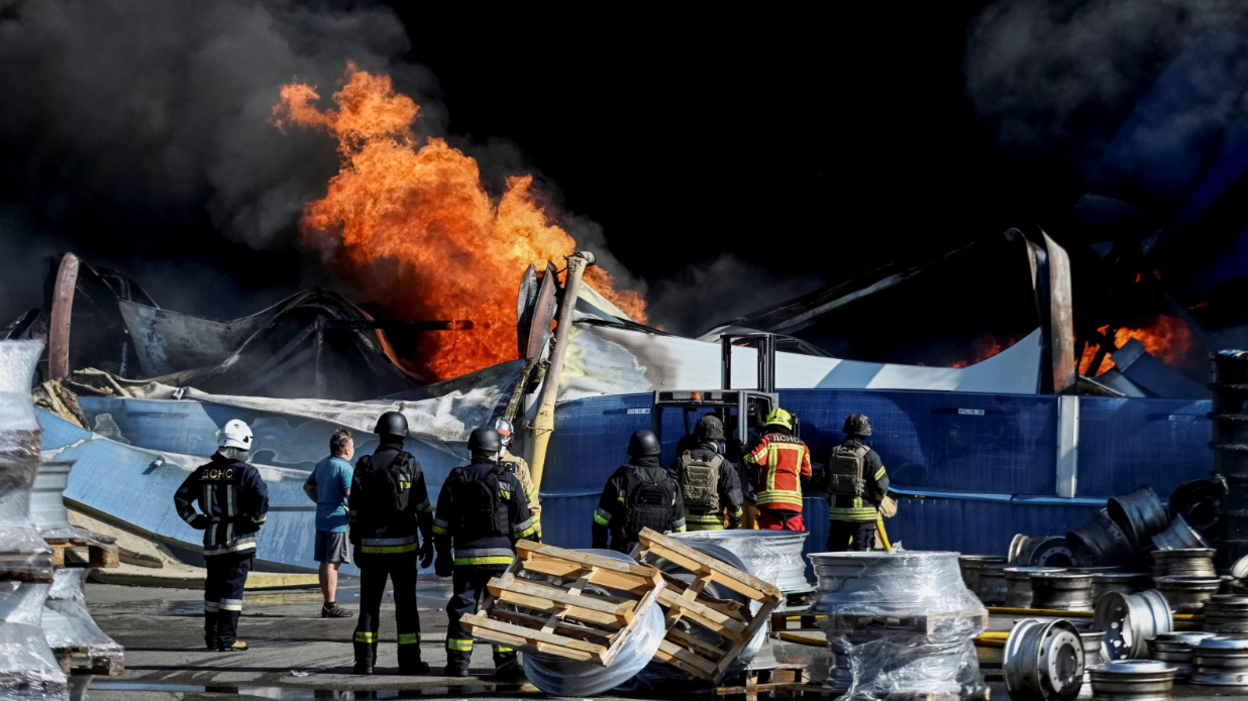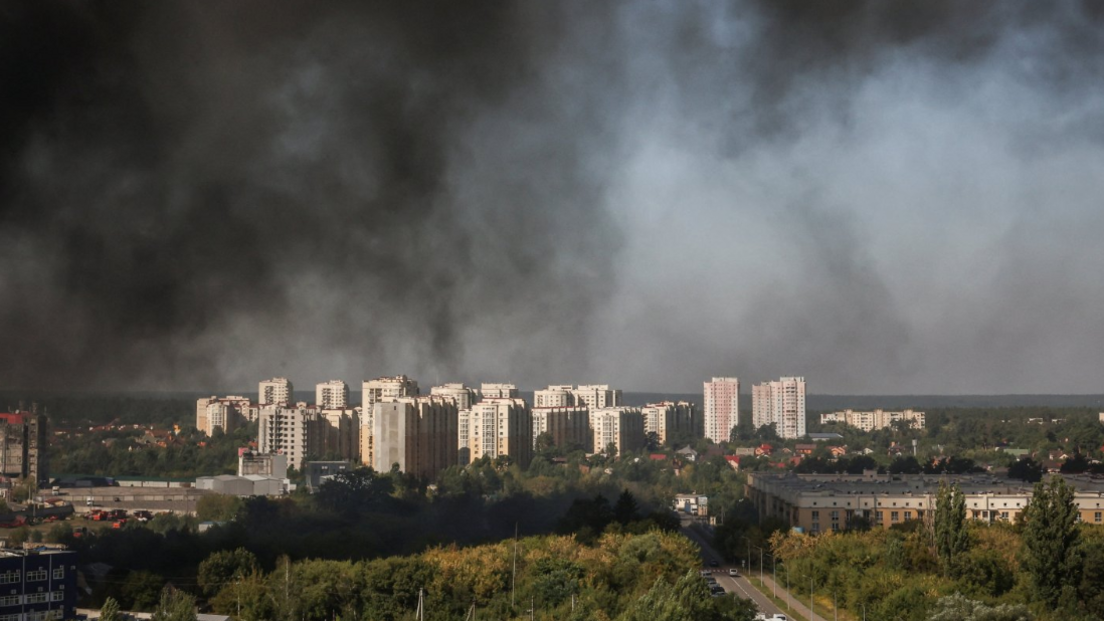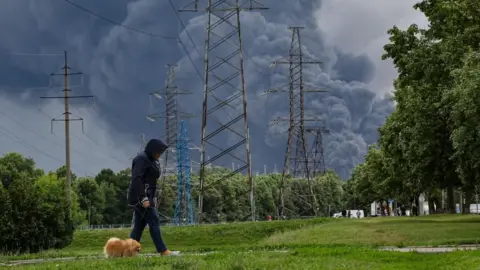
On the morning of 18 June 2026, a sudden ragged expanse of black smoke rolled across the Moscow skyline as a Ukrainian drone smashed into the Kapotnya oil refinery in the city’s southeast. The burst of flame was visible from the ring road and tossed debris into local streets, while routine life went on—the same shoppers heading through supermarkets, children playing on playgrounds, an angler fishing by a pond. That contrast stunned residents.
The refinery has long supplied fuel to the surrounding region, and its destruction set fire to adjacent commercial centers and residential blocks. The governor of the Moscow region reported that an eight‑year‑old girl died in a blaze caused by one of the drone strikes, reflecting the real human cost of the conflict.
“It’s the kind of thing you normally see in movies,” said a resident named Slava, who lives opposite the refinery and watched the explosions from her apartment window. “I didn’t expect such a big attack.”
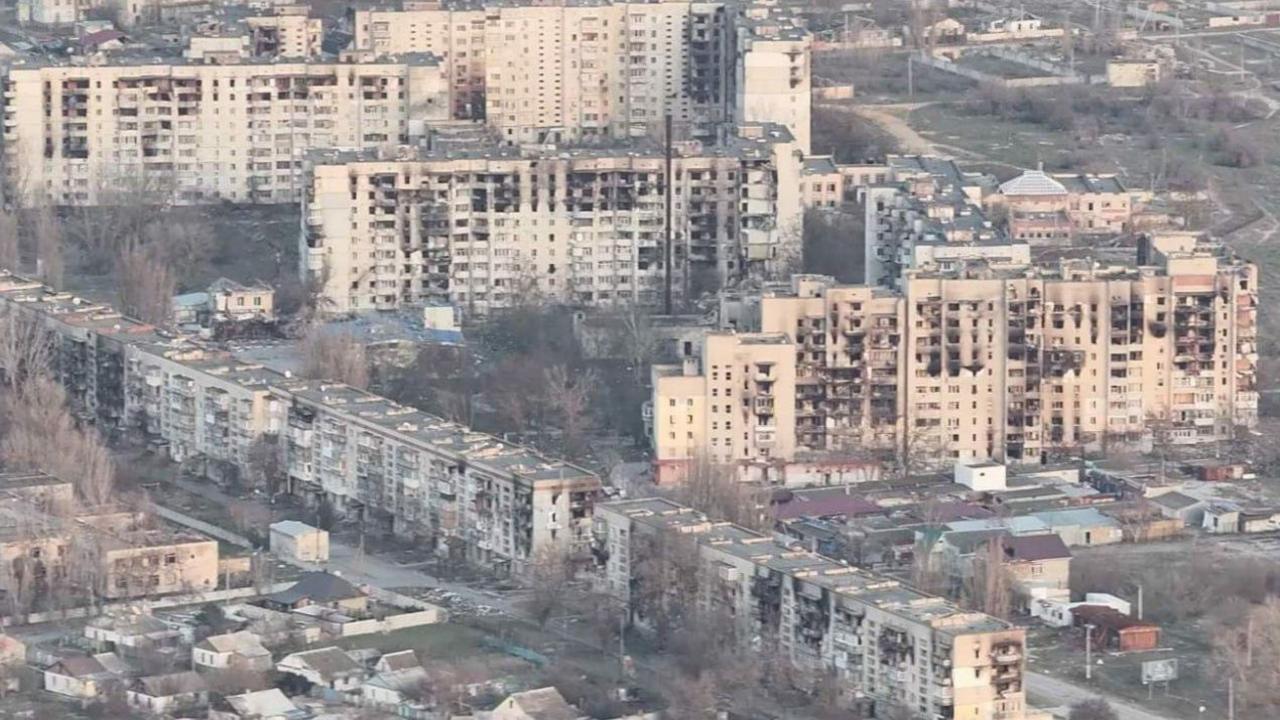
For years, Russian civilians have tried to ignore the war, but the front line has steadily moved closer. Over the past eighteen months, Moscow’s own army generals have been assassinated and drones have started to find the capital. The reality of living with constant aerial threats is now part of everyday life.
State media responses were swift yet subdued. While Western governments blamed NATO for sustaining Ukraine, Russian outlets seized on the speech that “our attacks on Ukraine cause more damage” and promised that future strikes would continue. The Kremlin’s spokesperson, Dmitry Peskov, urged viewers to look for more footage of Ukrainian attacks, framing Russian action as a defensive necessity.
Oil production disruptions are already weighing on Moscow’s economy: petrol shortages, rationing, and rising fuel prices have become visible on the streets. Experts warn that further attacks on oil facilities could deepen the crisis, and many anticipate that the region will see more drone assaults in the near future.
For Moscow’s citizens, the attack is a stark reminder that the war does not merely exist on distant front lines—it is happening within their city’s rooftops and streets. As the conflict evolves, residents are left to watch, while the Kremlin maintains that its own forces will prevail in the long run.