Internet Crackdown in Russia: Public Outcry Against Increased Surveillance
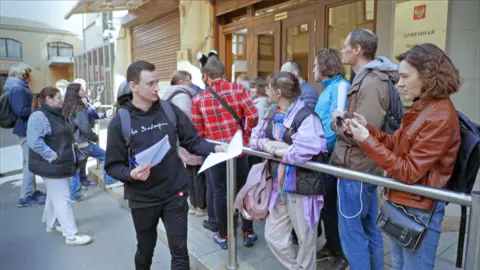
Near the Kremlin, dozens are queuing to submit petitions demanding an end to the government's crackdown on the internet and digital communications. This movement highlights widespread dissatisfaction with increasing authoritarian control over online spaces in Russia.
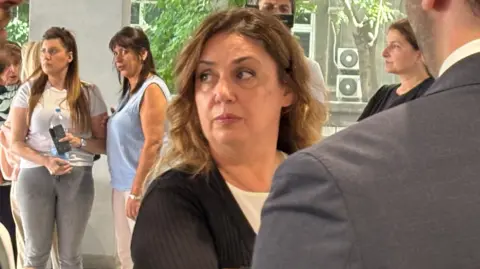
Authorities have put constraints on global messaging applications and implemented significant disruptions to mobile internet access. The citizens feel compelled to petition the president, all while navigating a climate of fear as security officers monitor them. Activist Yulia Grekova expresses her anxiety about the situation, stating, I'm shaking while waiting to submit her petition.
Putin has attributed these services' disruptions to operations against terrorism, but many are skeptical, especially as essential services are also impacted. The restrictions not only inhibit freedom but also threaten local businesses that rely on the internet. We lose money during blackouts, says one entrepreneur, emphasizing the detrimental effects of the internet crackdown on her catering business.
Moreover, government officials justify the tightening grip on communications as necessary for public safety, although statistics show little correlation with the intended purpose. A state-backed messenger service is being promoted, but public suspicion is high due to fears of surveillance.
As Russians experience frequent access issues to critical online services, there is growing unrest. Public sentiment has taken a notable turn against Putin’s regime, with discontent seeping into the general psyche as citizens draw connections between everyday problems and broader political issues. There is an increasing realization about the intertwining of personal burdens, economic troubles, and state politics.
As one man highlights, internet disruptions are daily annoyances affecting transport, payments, and communication. In a society deeply accustomed to digital interactions, the push towards a sovereign internet feels suffocating and regressive.
Yulia, along with many other citizens, has experienced the ramifications of this crackdown firsthand. The uncertainty about the future looms large, suggesting that the issues surrounding internet accessibility may not just be a momentary challenge but a reflection of a larger crisis brewing beneath the surface.