ANNAPOLIS, Md. — In a notable political setback, Maryland Democrats chose not to pursue a plan to redraw the state’s congressional map to favor their party ahead of the midterm elections. This decision, particularly disappointing for Governor Wes Moore, stems from a lack of consensus within the party regarding strategic redistricting amidst an environment of heightened political contention.
The proposal, which officially lapsed as the legislative session concluded late Monday, faced scrutiny from many within the Democratic-controlled Maryland Senate. Concerns arose that an aggressive redistricting effort could inadvertently backfire, laying ground for judicial challenges that might result in even less favorable outcomes for the party.
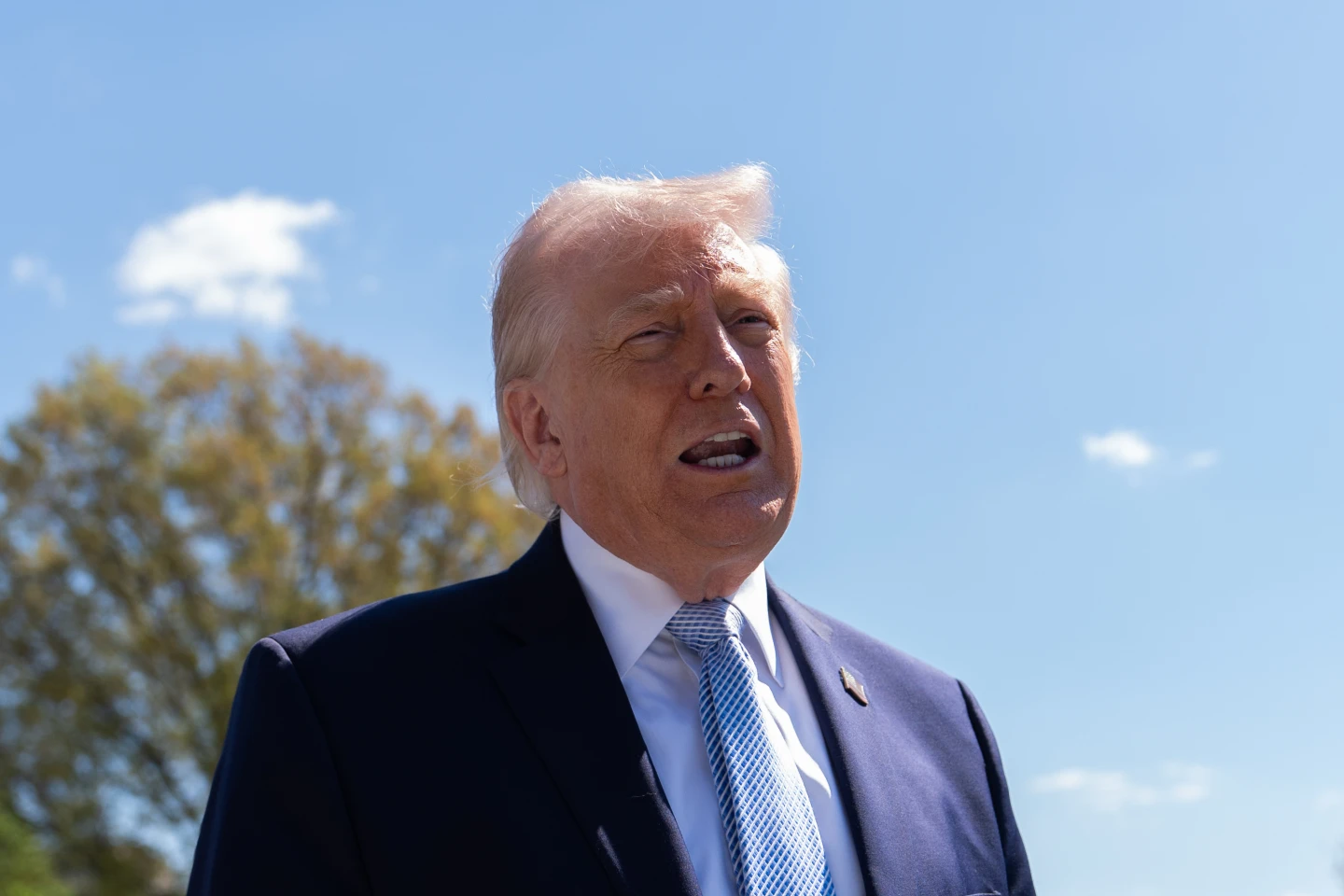
Nationally, the practice of mid-decade redistricting has surged as Republicans in Texas move to reconfigure their congressional boundaries at the behest of former President Donald Trump. Concurrently, Florida Republicans are preparing to undertake similar reconfigurations during an upcoming special legislative session, while Democrats in Virginia are advocating for a voter-led redistricting referendum.
In Maryland, the proposed map was anticipated to simplify efforts for voters to unseat the state’s only Republican congressman, Rep. Andy Harris. However, the failure to garner enough support within the party has stalled these plans, leaving the current congressional landscape unchanged as Democrats continue to hold a 7-1 advantage over Republicans in the state’s U.S. House representation.
Governor Moore, speculated to have presidential ambitions in 2028, articulated his frustrations, emphasizing the pressing necessity for Maryland to address redistricting as part of a broader national conversation. He criticized Trump’s tactics as part of a strategic manipulation of electoral norms detrimental to voter representation.
“This is not a political game to me,” Moore stated, expressing his serious concerns about the implications of Trump’s redistricting maneuvers for Black leadership and representation in Congress. He warned that failure to act could cement unfavorable outcomes for Black voters, likening Trump’s strategies to historical discriminatory practices.
Despite Moore's advocacy for a revised map, the effort failed to gain traction in the Maryland Senate due to opposition from key Democratic leaders, including Senate President Bill Ferguson, who remains staunchly against what he perceives as potentially harmful manipulation of district lines.
As Maryland navigates its internal divisions, the broader national context highlights a contentious political landscape as both parties engage in strategic reconfiguration of congressional boundaries in pursuit of electoral advantage.