Middle Eastern Warfare: Ceasefire Talks Amidst Escalating Tensions
The best hope for the ceasefire talks in Pakistan is that both the United States and Iran have strong reasons to call a halt to the war. The biggest obstacle to their success is a total absence of trust amidst Israel's escalated assaults on Lebanon.
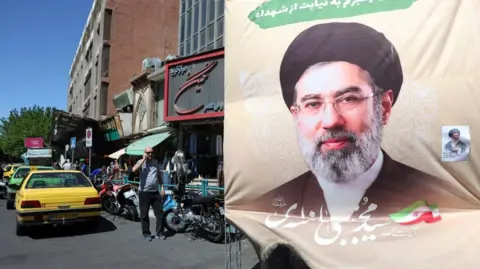
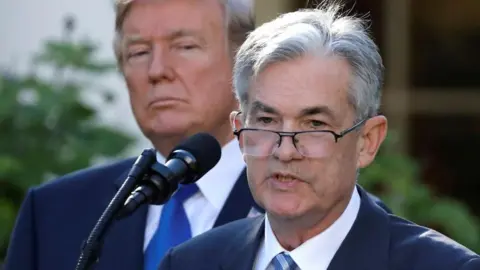
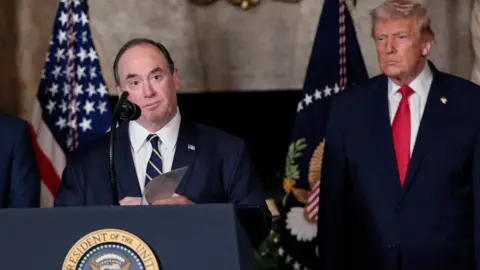
U.S. President Trump is framing the war as a past conflict, having declared victory as he faces upcoming state visits and midterm elections, seeking to stabilize gas prices before summer. Conversely, Iran's regime remains defiant yet heavily impacted by economic stagnation.
The negotiating intermediaries from Pakistan have an uphill battle with the two sides' positions starkly opposed. Trump has reportedly drafted a surrender-like plan contrasting sharply with Iran's demands. Establishing a ceasefire will necessitate ongoing dialogue regarding deeply rooted tensions; simply keeping peace without addressing these issues may lead straight back to conflict.
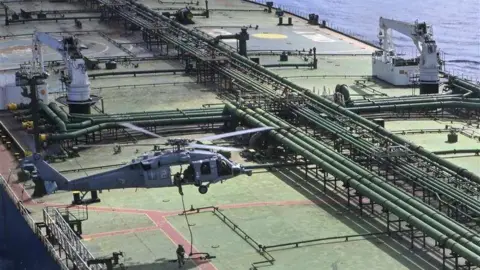
The focus on reopening the crucial Strait of Hormuz is pivotal; its closure allows Iran to exert considerable influence over global oil prices. The risks posed to Middle Eastern economies must not be underestimated, as the implications of renewed warfare affect not only regional but also worldwide stability.
Despite heavy military actions against Iran and its allies, U.S. and Israeli claims of victory have not translated into substantial long-term gains. Furthermore, the unique approach of Iranian leaders may focus on not just survival but potential rebirth of their wartime capabilities.
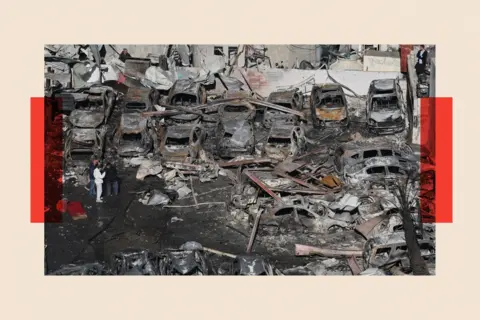
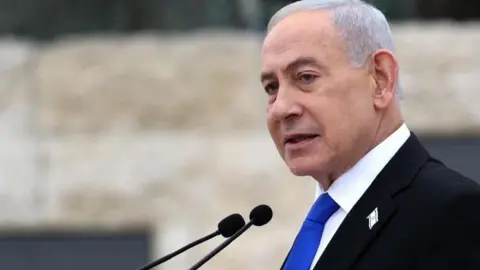
Netanyahu's aggressive strategy is likely to complicate ceasefire efforts further, as airstrikes continue to plague Lebanon, displacing countless civilians and escalating hostilities. The negotiations are not only fraught with tension but are also indicative of a larger struggle for power, influence, and the future trajectory of Middle Eastern geopolitics.