Oil prices jumped above $100 a barrel as energy markets reopened on Monday in Asia after talks between the US and Iran ended without a new deal and Donald Trump said he would blockade Iranian ports.
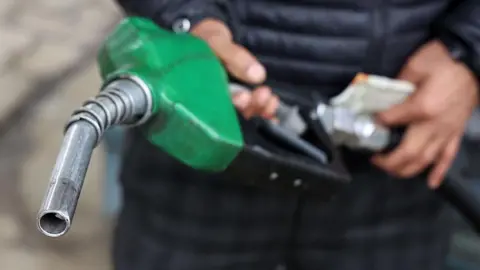
Global benchmark Brent crude is up by 8.5% at $102.37 (£77.15), while West Texas Intermediate is 9% higher at $105.34.
The failure of negotiations at the weekend has raised concerns that the global energy crisis will deepen.
The price of oil plunged well below $100 last Wednesday after Washington and Tehran agreed to a conditional two-week ceasefire deal that includes the opening of the key Strait of Hormuz trade waterway.
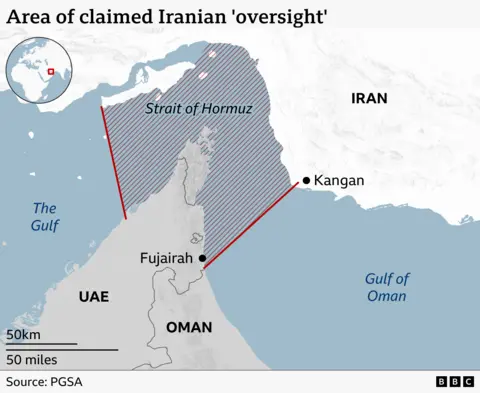
The strait, through which a fifth of the world's energy shipments pass, has become a key flashpoint in the ongoing conflict, particularly after Tehran threatened to attack vessels using it in retaliation against foreign strikes.
Shipments have largely been at a standstill since the conflict escalated on February 28, although some countries like India and Malaysia managed to negotiate safe passage for their vessels.
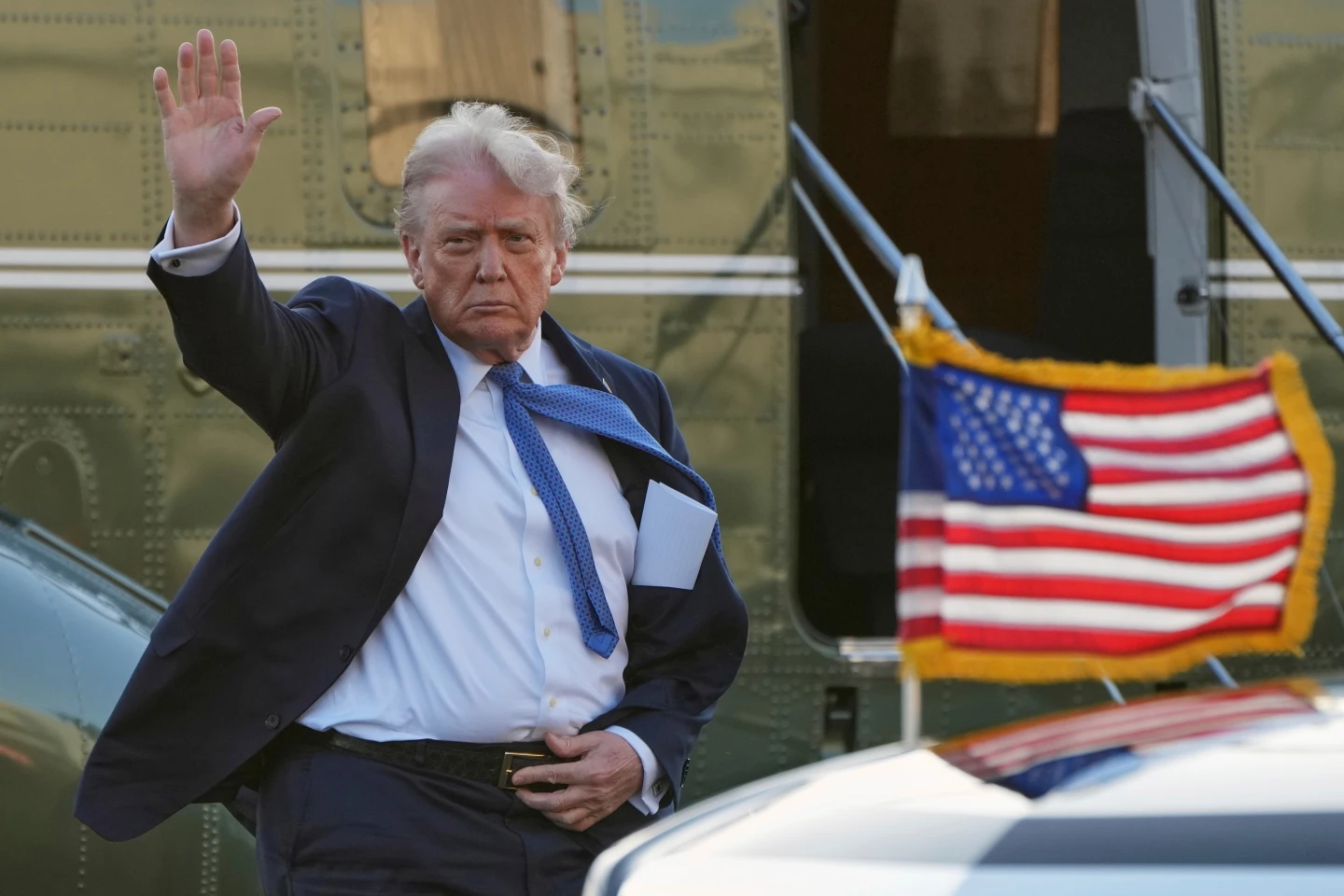
These disruptions have led to surging energy prices worldwide. In a recent Truth Social post, Trump announced the US would start blockading all ships attempting to enter or exit the Strait of Hormuz, a move confirmed by the U.S. Central Command.
This blockade, set to commence at 10:00 ET on Monday, will be enforced indiscriminately against vessels from all nations. However, it will reportedly not impede ships in the Strait of Hormuz en route to non-Iranian ports.
Iran's parliamentary speaker emphasized that the country will not submit to external threats, asserting that any military vessels approaching the strait would be treated as violations of the current ceasefire, potentially escalating tensions further.
Global benchmark Brent crude is up by 8.5% at $102.37 (£77.15), while West Texas Intermediate is 9% higher at $105.34.
The failure of negotiations at the weekend has raised concerns that the global energy crisis will deepen.
The price of oil plunged well below $100 last Wednesday after Washington and Tehran agreed to a conditional two-week ceasefire deal that includes the opening of the key Strait of Hormuz trade waterway.
The strait, through which a fifth of the world's energy shipments pass, has become a key flashpoint in the ongoing conflict, particularly after Tehran threatened to attack vessels using it in retaliation against foreign strikes.
Shipments have largely been at a standstill since the conflict escalated on February 28, although some countries like India and Malaysia managed to negotiate safe passage for their vessels.
These disruptions have led to surging energy prices worldwide. In a recent Truth Social post, Trump announced the US would start blockading all ships attempting to enter or exit the Strait of Hormuz, a move confirmed by the U.S. Central Command.
This blockade, set to commence at 10:00 ET on Monday, will be enforced indiscriminately against vessels from all nations. However, it will reportedly not impede ships in the Strait of Hormuz en route to non-Iranian ports.
Iran's parliamentary speaker emphasized that the country will not submit to external threats, asserting that any military vessels approaching the strait would be treated as violations of the current ceasefire, potentially escalating tensions further.