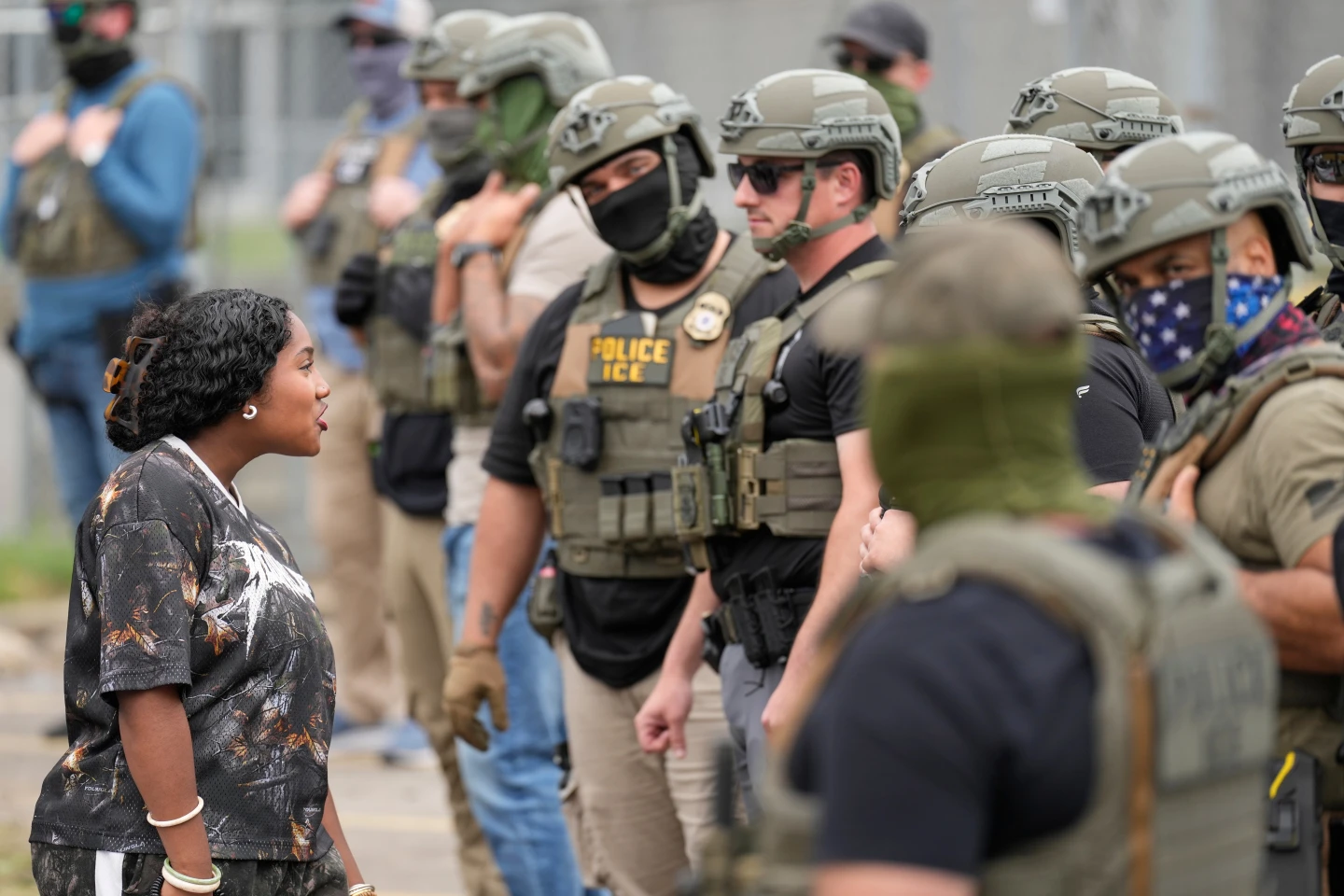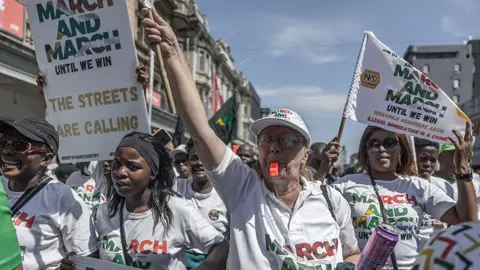
HAGERSTOWN, Md. (FluxDaily) – Protesters flocked to the county commission meeting in Washington County, Maryland, demanding that local officials halt plans for an ICE detention center. The planned facility has sparked fierce opposition as it brings to light ethical concerns surrounding immigration enforcement and community engagement.
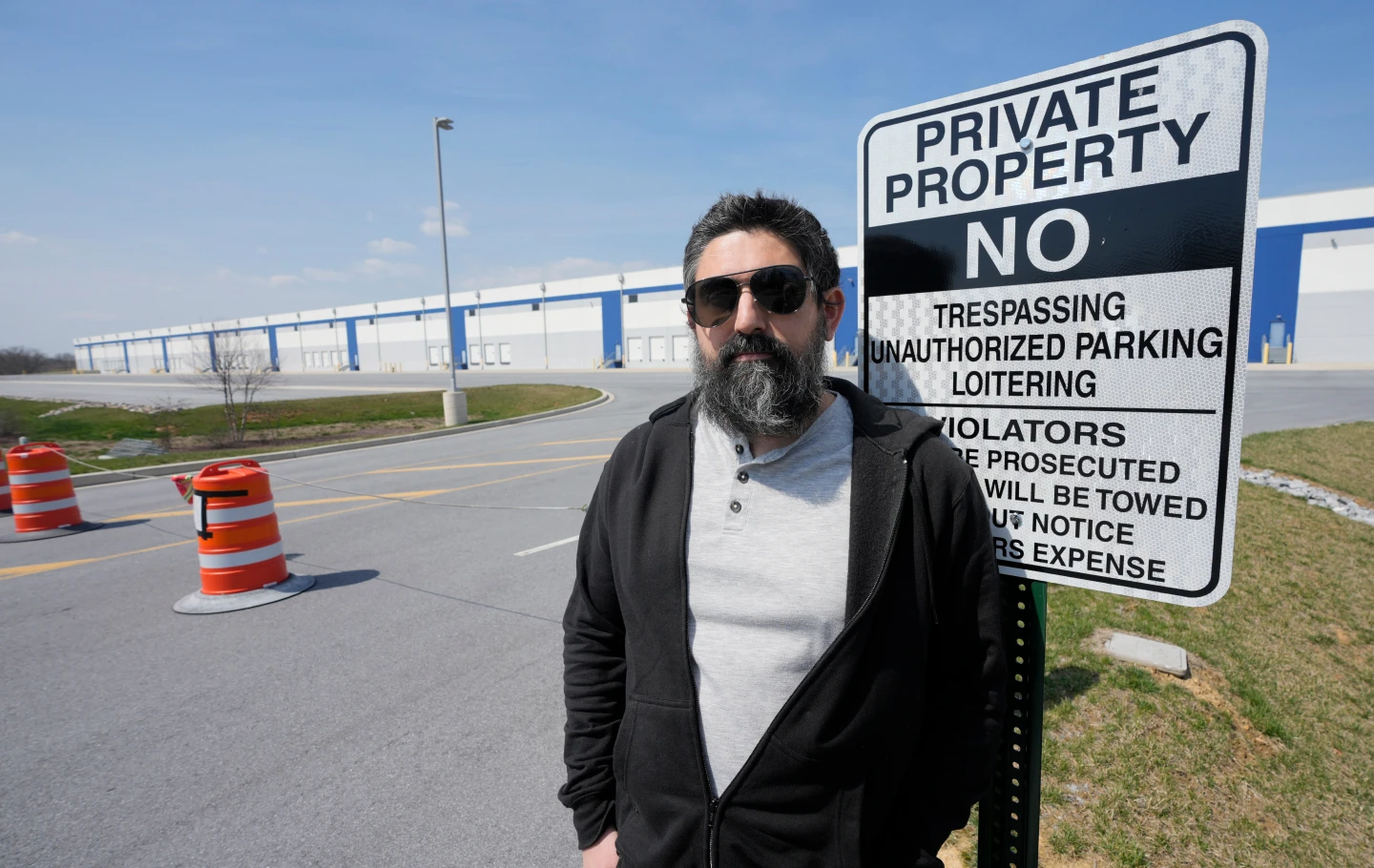
In its latest strategic move, the Department of Homeland Security (DHS) acquired an 825,000-square-foot building amidst plans to convert warehouses nationwide into detention facilities to house tens of thousands of immigrants. County commissioners have voiced their 'unwavering support' for ICE, even as public outcry resonates with calls for action.
Patrick Dattilio, the founder of Hagerstown Rapid Response, an anti-ICE group, stated, This is a facility built for packages, not people, insisting that the location is unfit for human detention.
The controversy surrounding this acquisition involves a broader pattern seen across U.S. communities, which are also resisting similar transformations of warehouses into detention centers. States like New Jersey and Michigan are pursuing legal avenues to oppose these federal initiatives, highlighting a lack of communication and problematic decision-making by DHS.
Maryland has thrown the situation into further uncertainty, as its attorney general has filed a lawsuit halting immediate work on the facility. With the fate of the Washington County warehouse now in limbo, residents and officials alike await developments surrounding DHS Secretary Markwayne Mullin's review of the project.
The local response has intensified, highlighting not only community concern over the morality of detaining immigrants but also frustration over being blindsided by federal actions. Many residents, once hopeful for economic benefits from the warehouse's operation, now fear the implications of its new use.
Mullin, while aware of the dissent during his confirmation hearings, has remained noncommittal about the future of the facility, reflecting the nuanced dynamics between federal interests and local sentiments.